When Should You Visit the Golden Circle?
The Golden Circle is spectacular year-round, but the experience varies dramatically with the seasons. Each time of year brings unique advantages, from the midnight sun of summer to the frozen waterfalls and Northern Lights of winter. This guide breaks down what to expect month by month so you can choose the perfect time for your visit.
Summer: June to August
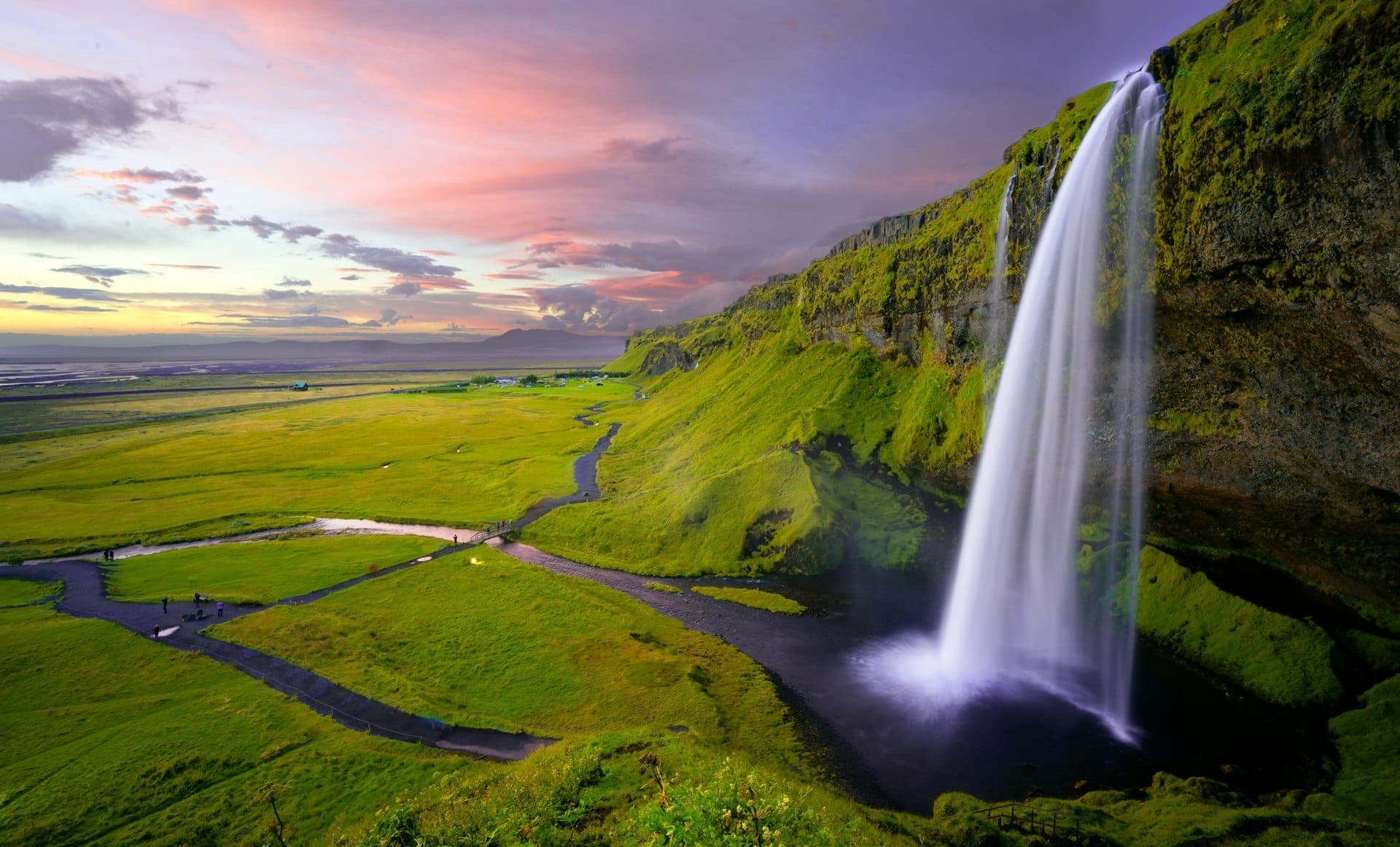
Summer is Iceland's peak tourist season, and for good reason. The days are incredibly long, with near-24-hour daylight around the June solstice. Temperatures are mild by Icelandic standards, typically ranging from 10 to 15 degrees Celsius, and the landscape is at its greenest. Wildflowers bloom across the highlands, and the waterfalls are fed by snowmelt, making them particularly impressive.
The main disadvantage of summer is crowds. The Golden Circle's three main stops can be very busy between 11:00 and 15:00, especially when multiple tour buses arrive simultaneously. To avoid the worst crowds, depart Reykjavik early (before 09:00) or late (after 14:00). The extended daylight means you can comfortably visit in the evening when most tour groups have returned to the city.
Summer is the best time for hiking at Þingvellir, as all trails are open and snow-free. It is also the only season when you can reliably combine the Golden Circle with activities like Silfra snorkelling, which operates year-round but is most comfortable in summer.
Autumn: September to October
Autumn is an underrated time to visit the Golden Circle. The summer crowds thin dramatically after September 1st, yet the weather remains relatively mild. Temperatures drop to 5-10 degrees Celsius, and the landscape transforms with autumn colours as the birch trees and mosses turn gold, red, and brown.
September marks the beginning of Northern Lights season, adding the possibility of seeing the aurora borealis on evening tours. The shorter days (12-15 hours of daylight) create more dramatic lighting conditions for photography, with golden hour lasting much longer than in summer.
Road conditions are generally good through October, though the first snow can arrive on highland roads. A 4WD is recommended from mid-October onward. The Secret Lagoon is particularly magical in autumn, when you can soak in warm water while watching the first stars appear in the darkening sky.
Winter: November to February
Winter transforms the Golden Circle into a dramatic, otherworldly landscape. Gullfoss is partially frozen, with massive ice formations framing the still-thundering water. The geothermal area at Geysir steams more dramatically against the cold air, and Strokkur's eruptions are even more spectacular when framed by snow and ice.
Daylight hours are short, ranging from just 4-5 hours in December to 7-8 hours in February. This means winter tours must be well-timed to make the most of the available light. The upside is that the low-angle winter sun creates extraordinary lighting conditions, with golden and pink hues that photographers dream about.
The Northern Lights are the major winter bonus. The Golden Circle area has minimal light pollution, and many Northern Lights tours use locations along the route. Some operators combine a daytime Golden Circle tour with an evening aurora hunt.
Winter driving requires caution. Roads can be icy, and sudden weather changes are common. A 4WD with winter tyres is essential for self-drivers. Guided tours are the safest and most convenient option in winter, as experienced drivers handle the conditions while you enjoy the scenery.
Spring: March to May
Spring is a season of transition and renewal. Snow melts, waterfalls swell with meltwater, and migratory birds return. Daylight hours increase rapidly, from 10 hours in March to nearly 20 hours by the end of May. Temperatures climb from 0-5 degrees in March to 8-12 degrees in May.
Gullfoss is at its most powerful in spring, when snowmelt from the highlands feeds the Hvítá river. The volume of water can be double that of autumn, creating an even more impressive spectacle. Þingvellir's landscape emerges from winter with a fresh, clean beauty as new growth begins.
Spring offers a good balance of reasonable weather, increasing daylight, and fewer tourists than summer. Road conditions improve through the season, though highland roads may remain closed until June. The Northern Lights season extends into early April, giving spring visitors a chance to see the aurora.
Month-by-Month Summary
January: 5-6 hours daylight, frozen waterfalls, Northern Lights, very cold (-5 to 2°C). Guided tours recommended.
February: 7-9 hours daylight, still wintry but days lengthening. Great for Northern Lights and winter photography.
March: 10-13 hours daylight, spring begins. Waterfalls gaining power. Last chance for Northern Lights.
April: 14-17 hours daylight, snow melting, birds returning. Excellent shoulder season value.
May: 18-21 hours daylight, green landscapes emerging. Fewer crowds than summer.
June: Near 24-hour daylight, midnight sun. Peak season begins. Warmest temperatures.
July: Peak summer, busiest month. Best hiking conditions. Puffins visible on coastal tours.
August: Still summer but nights returning. Berry season. Crowds begin to thin late month.
September: 12-14 hours daylight, autumn colours. Northern Lights season begins. Excellent value.
October: 9-11 hours daylight, dramatic skies. Good Northern Lights viewing. First snow possible.
November: 6-8 hours daylight, winter setting in. Northern Lights peak season begins.
December: 4-5 hours daylight, festive atmosphere. Frozen waterfalls, Christmas markets in Reykjavik.
Our Recommendation
For first-time visitors who want the easiest experience with the best weather, visit in June or early September. June offers maximum daylight and the greenest landscapes, while early September provides autumn colours, fewer crowds, and the beginning of Northern Lights season. For photographers and adventurers, February or March offer dramatic winter landscapes with increasing daylight. Whatever time you choose, the Golden Circle will not disappoint.
Ready to Experience the Golden Circle?
Book your tour today and see these incredible sights with an expert local guide.
View Our Tours