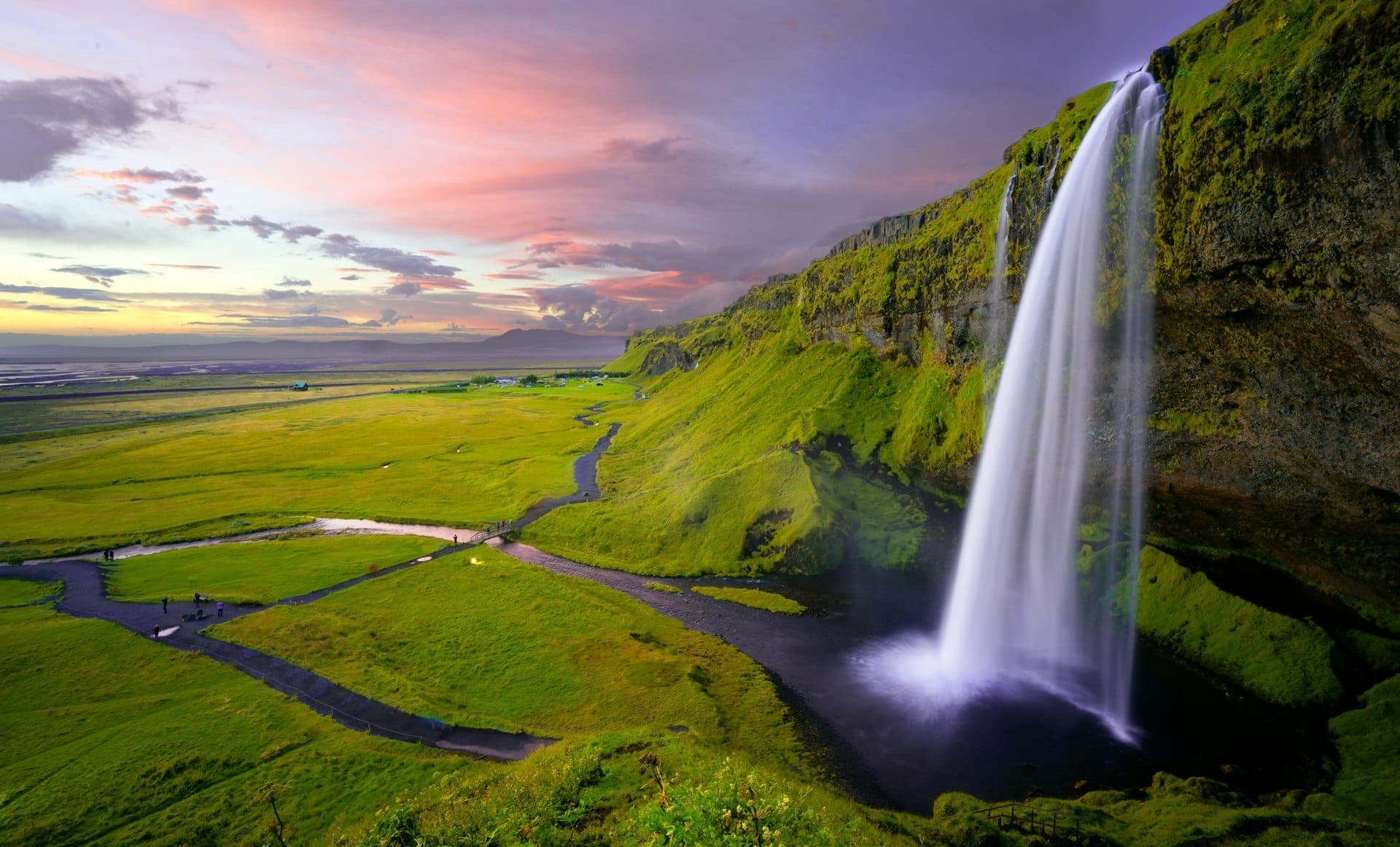
Photographing the Golden Circle
The Golden Circle offers some of Iceland's most photogenic landscapes, from the dramatic tectonic rift at Þingvellir to the explosive eruptions of Strokkur and the thundering cascades of Gullfoss. Whether you shoot with a professional DSLR or a smartphone, this guide will help you capture stunning images at every stop.
Essential Gear
Camera: Any camera with manual controls will produce excellent results. A mirrorless or DSLR camera with interchangeable lenses offers the most flexibility. For smartphones, the latest models (iPhone 14+, Samsung Galaxy S23+) produce impressive results, especially in good light.
Lenses: A wide-angle lens (16-35mm) is essential for capturing the vast landscapes. A mid-range zoom (24-70mm) covers most situations. A telephoto (70-200mm) is useful for isolating details like Strokkur's eruption column or ice formations at Gullfoss.
Tripod: Essential for long exposures at Gullfoss (to create silky water effects) and for Northern Lights photography. A sturdy tripod that can withstand Icelandic wind is worth the investment.
Filters: A polarising filter reduces glare and enhances colours, particularly useful at Gullfoss where spray creates haze. A neutral density (ND) filter allows long exposures in daylight for smooth water effects.
Protection: Iceland's weather is harsh on equipment. Bring a rain cover for your camera, lens cloths for spray, and keep spare batteries warm in an inside pocket. Cold temperatures drain batteries rapidly.
Þingvellir National Park
Best time of day: Early morning or late afternoon for golden light along the canyon walls. Midday sun creates harsh shadows in the rift.
Top shots:
- The view from the upper platform looking down into Almannagjá canyon - use a wide-angle lens to capture the scale
- The Icelandic flag at the Lögberg (Law Rock) with the rift valley behind
- Öxarárfoss waterfall framed by the canyon walls - use a slow shutter speed (1/4 to 1 second) for silky water
- The crystal-clear water of Silfra fissure from the bridge viewpoint
- Reflections in Lake Þingvallavatn on calm days
Pro tip: Walk past the main viewpoint and continue along the eastern rim of the canyon. The crowds thin dramatically and the compositions improve. In autumn, the birch trees along the canyon add beautiful colour.
Geysir Geothermal Area
Best time of day: Any time works, but backlighting from low sun (morning or evening) makes the steam and eruption column glow dramatically.
Capturing Strokkur's eruption:
- Position yourself upwind to keep spray off your lens
- Watch 2-3 eruptions to learn the timing before shooting
- Use burst mode (continuous shooting) starting when the water dome forms
- A shutter speed of 1/1000 or faster freezes the water column
- Shoot from a low angle with the sky as background for the most dramatic perspective
- Include spectators for scale - the eruption looks more impressive with people in the frame
Beyond Strokkur: The colourful mineral deposits around the hot springs make excellent abstract compositions. The bubbling mud pots are fascinating in close-up. Steam vents against a blue sky create ethereal images.
Gullfoss Waterfall
Best time of day: Midday sun can create rainbows in the spray (summer). Low-angle winter light creates dramatic shadows in the canyon.
Top shots:
- From the lower platform: the most dramatic perspective, with the falls filling the frame. Use a wide-angle lens.
- Long exposure (1-2 seconds with ND filter): transforms the water into a silky curtain. Use a tripod.
- Rainbow shots: position yourself with the sun behind you and the spray in front. A polarising filter enhances the rainbow.
- Winter ice formations: the partially frozen falls create incredible textures and patterns.
- The canyon downstream: less photographed but equally dramatic, especially in winter.
Pro tip: The spray at Gullfoss is intense, especially from the lower platform. Bring a microfibre cloth and wipe your lens between shots. A UV or clear filter protects the front element. In winter, spray freezes on the lens almost instantly, so shoot quickly and retreat to wipe.
General Iceland Photography Tips
- Golden hour is long: In summer, golden hour can last for hours. In winter, the entire day has golden-hour quality light.
- Embrace the weather: Overcast skies eliminate harsh shadows and create even, soft light. Rain and storm clouds add drama. Do not wait for perfect weather - some of the best Iceland photos are taken in challenging conditions.
- Shoot RAW: Iceland's dynamic range (bright sky, dark lava) benefits enormously from RAW files, which allow greater latitude in post-processing.
- Back up daily: Bring a portable hard drive or upload to cloud storage each evening. Losing a day's photos in Iceland would be heartbreaking.
- Respect the landscape: Never leave marked paths for a photo. Iceland's fragile moss takes decades to recover from footprints. The best photos come from patience and creativity, not from trampling the environment.
Ready to Experience the Golden Circle?
Book your tour today and see these incredible sights with an expert local guide.
View Our Tours