
Winter in Iceland is pure magic. The snow-covered landscapes, dancing northern lights, and frozen waterfalls create scenes straight out of a fairy tale. If you're staying in Reykjavik, you're perfectly positioned to explore some of the most beautiful winter destinations in the country.
Here are 10 epic day trips that will make your Icelandic winter adventure unforgettable.
1. The Golden Circle Winter Tour
- Distance from Reykjavik: About 50 km to first stop
- Best for: First-time visitors who want to see Iceland's highlights
The Golden Circle is Iceland's most famous route, and winter makes it even more spectacular. This classic trip takes you to three incredible locations in one day.
First stop is Thingvellir National Park, where you can walk between two continents. The snow makes the dramatic rift valley look like a scene from Narnia. Next up is Geysir geothermal area, where Strokkur geyser shoots boiling water 30 meters into the freezing air every few minutes. The contrast between ice and steam is absolutely stunning.
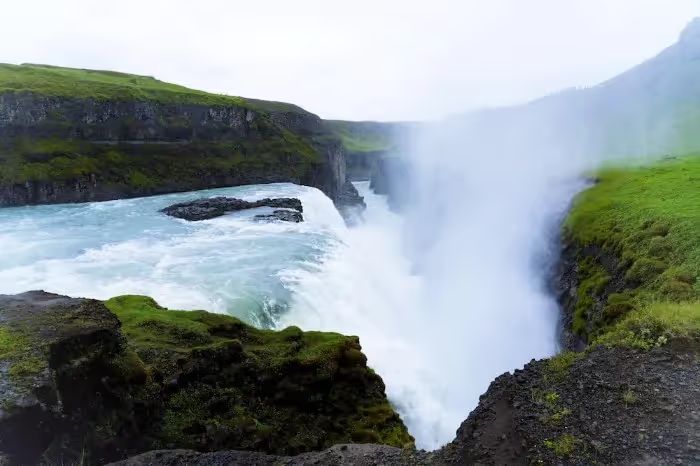
Your final stop is Gullfoss waterfall, one of Iceland's most powerful cascades. In winter, ice frames the falls and sometimes creates massive ice sculptures around the edges. The mist from the waterfall freezes in the air, creating a magical atmosphere.
Many Golden Circle tours are available from Reykjavik, ranging from basic sightseeing trips to extended tours that include activities like snowmobiling or visiting the Secret Lagoon hot spring. Most tours last 6-8 hours and run year-round.
2. South Coast Waterfalls and Black Sand Beach
- Distance from Reykjavik: About 130 km to Reynisfjara
- Best for: Waterfall lovers and photographers
The South Coast in winter is absolutely breathtaking. This trip takes you along Iceland's stunning southern shore to see some of the country's most famous waterfalls and beaches.
Seljalandsfoss waterfall is your first major stop. In summer, you can walk behind it, but winter ice often closes the path. Still, the frozen ice formations around the falls are incredible. Just a short drive away is Skogafoss, a massive 60-meter waterfall that creates huge ice pillars on its sides during winter.
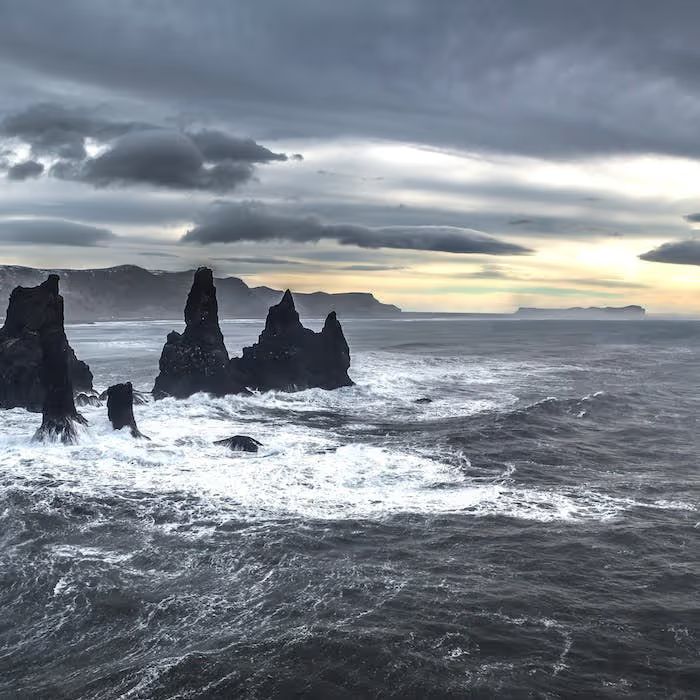
The black sand beach at Reynisfjara is otherworldly in winter. The dark volcanic sand contrasts with white snow-covered cliffs and the dramatic basalt columns. The powerful waves crashing against the shore are even more impressive in winter storms. Always stay well back from the water as sneaker waves are dangerous.
South Coast tours typically last 10-12 hours and many include stops at additional locations like the Solheimasandur plane wreck or the charming village of Vik. Some tours combine the South Coast with glacier hiking or ice cave visits.
3. Ice Cave Adventure in Vatnajokull Glacier
- Distance from Reykjavik: About 350 km
- Best for: Adventure seekers and those wanting a bucket-list experience
Ice caves are one of winter's greatest gifts in Iceland. These natural wonders only exist during the cold months when meltwater freezes inside glaciers, creating stunning blue caves.
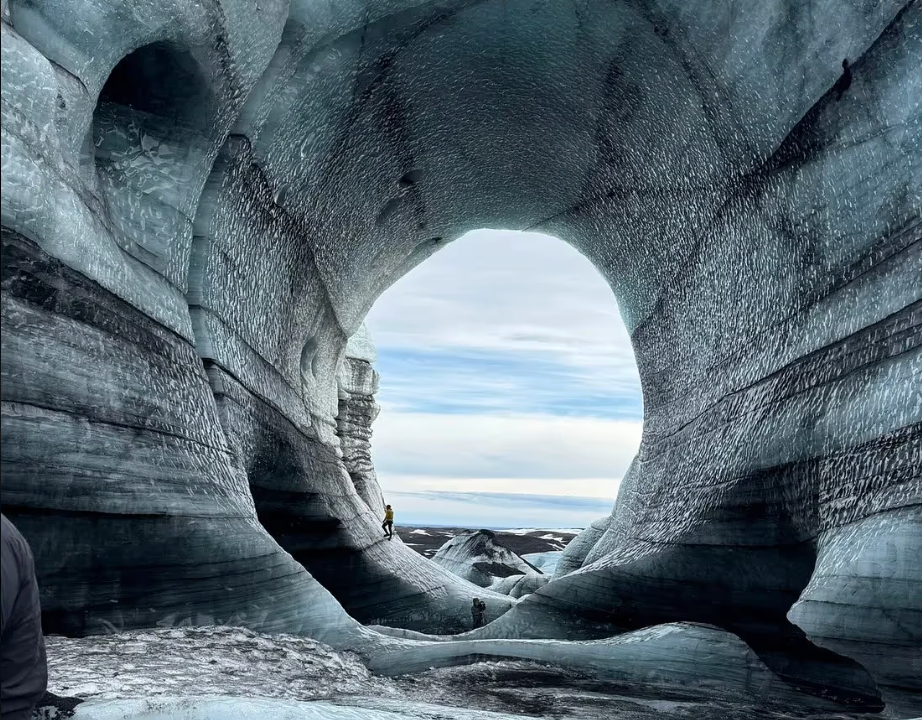
The most popular ice caves are in Vatnajokull, Europe's largest glacier. Tours typically start with a drive to the glacier area, followed by a super jeep ride across the ice cap to reach the cave entrance. Inside, you'll see incredible blue ice formations that look almost artificial.
The blue color happens because glacier ice is so dense it absorbs all colors except blue. When sunlight filters through the ice, the caves glow with an otherworldly azure light. Every cave is unique and changes throughout the winter season. Ice cave tours from Reykjavik are full-day adventures, usually lasting 11-14 hours because of the long drive. You'll need warm clothes, good boots, and a sense of adventure. Tours include all safety equipment like helmets and crampons.
4. Snaefellsnes Peninsula Day Trip
- Distance from Reykjavik: About 190 km around the peninsula
- Best for: Photographers and those who want variety in one trip
Often called "Iceland in Miniature," the Snaefellsnes Peninsula has everything in one place. Black beaches, dramatic cliffs, fishing villages, lava fields, and a glacier-topped volcano make this peninsula incredibly diverse.
Kirkjufell mountain is probably the most photographed mountain in Iceland. In winter, when it's covered with snow and ice, it's even more dramatic. Nearby Kirkjufellsfoss waterfall provides a perfect foreground for photos.
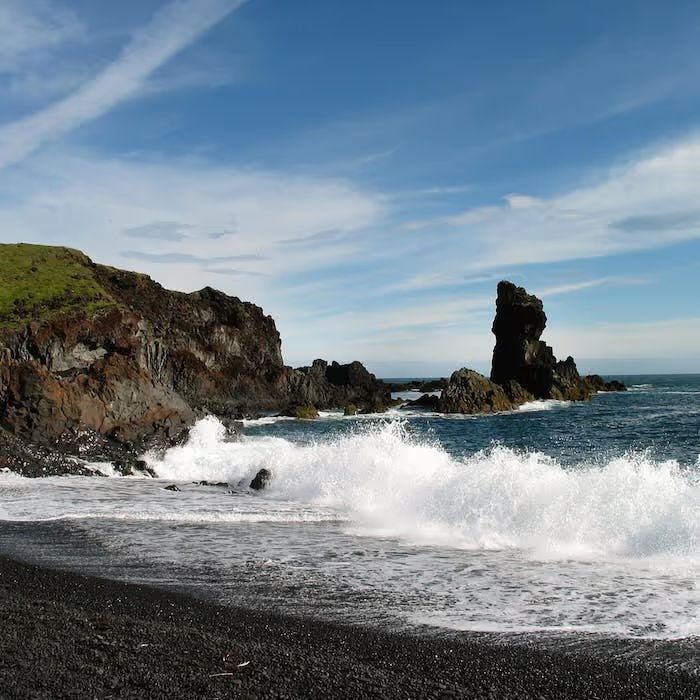
The black church at Budir stands alone against snowy fields and creates a striking image. Along the coast, you'll see Londrangar basalt cliffs rising from the sea and the Arnarstrapi rock formations where waves crash dramatically.
Snaefellsjokull glacier sits at the tip of the peninsula. Jules Verne chose this glacier as the entrance to the center of the Earth in his famous novel. On clear days, you can even see the glacier from Reykjavik. Snaefellsnes tours from Reykjavik take about 12 hours. Some tours focus on photography, while others emphasize the area's folklore and geology.
5. Jokulsarlon Glacier Lagoon and Diamond Beach
- Distance from Reykjavik: About 380 km
- Best for: Ice lovers and those wanting to see Iceland's most iconic lagoon
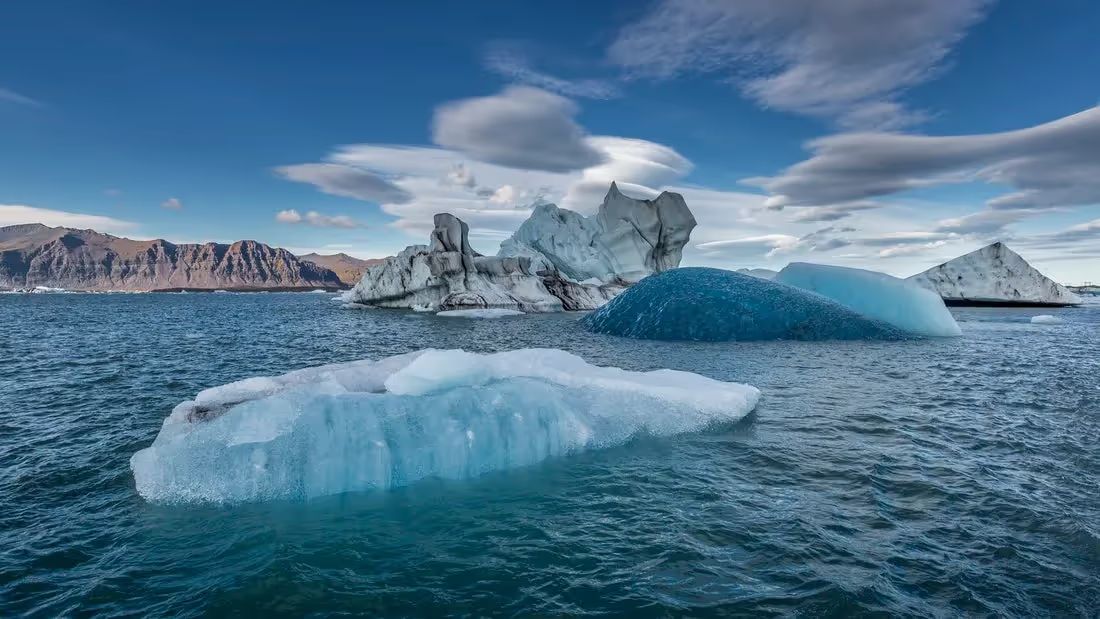
Jokulsarlon is Iceland's most famous glacier lagoon. Giant icebergs break off from Breidamerkurjokull glacier and float in the deep blue lagoon before drifting out to sea. In winter, the lagoon is especially beautiful with snow-covered surroundings and often has more ice than in summer.
The icebergs range from bright white to deep blue, and some are streaked with black volcanic ash. Seals often swim between the icebergs, popping their heads up to check out visitors. The lagoon has been featured in several movies including two James Bond films and Tomb Raider.
Right across the road is Diamond Beach, where icebergs wash up on the black sand. The ice chunks sparkle like diamonds against the dark beach, creating one of Iceland's most photogenic locations. Sunrise and sunset are particularly magical here.
This is Iceland's longest day trip from Reykjavik, usually taking 14-16 hours. Many tours combine Jokulsarlon with stops at South Coast waterfalls, ice caves, or the charming village of Vik. Despite the long day, most visitors say it's absolutely worth it.
6. Northern Lights Hunting Tour
- Distance from Reykjavik: Varies based on weather and aurora forecast
- Best for: Anyone visiting Iceland in winter who wants to see the northern lights
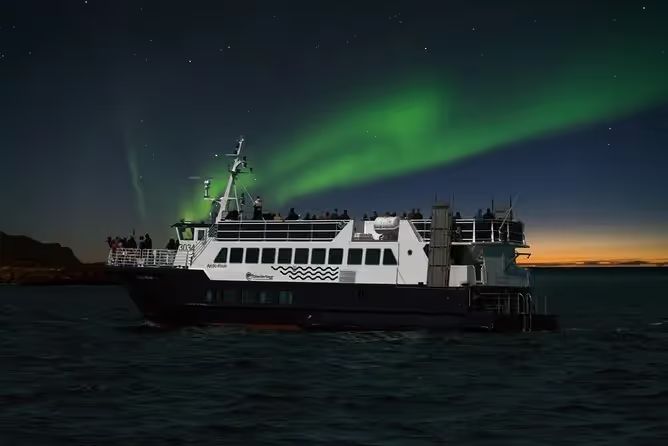
The aurora borealis is one of winter's most incredible natural phenomena. These dancing green, pink, and purple lights happen when solar particles hit Earth's atmosphere. Iceland's location just below the Arctic Circle makes it an excellent place to see them.
Northern lights tours leave Reykjavik in the evening, driving away from city lights to find clear, dark skies. Expert guides check weather forecasts and aurora predictions to find the best viewing spots. Some tours visit locations you've seen during the day, which look completely different under the aurora.
The lights are unpredictable and never guaranteed. They need clear skies, darkness, and solar activity to appear. Tours typically run from September through March when nights are long enough. Many tour companies offer free rebooking if the lights don't appear.
Some northern lights tours combine aurora hunting with other activities. You might visit hot springs, explore ice caves, or enjoy Icelandic storytelling while waiting for the lights. Tours usually last 4-5 hours, though some extended tours last longer.
7. Reykjanes Peninsula and Blue Lagoon
- Distance from Reykjavik: About 50 km
- Best for: Relaxation lovers and those interested in geothermal areas
The Reykjanes Peninsula is often overlooked because it's near the airport, but it's full of geothermal wonders and volcanic landscapes. The area is quite literally where two continents are pulling apart.
The Bridge Between Continents is a small footbridge spanning the rift between the North American and Eurasian tectonic plates. In winter, the surrounding lava fields are covered with snow, making the volcanic landscape even more dramatic.
Gunnuhver is one of Iceland's most powerful hot springs, with boiling mud pots and steam vents. The name means "Gunna's Ghost" after a local legend. The area looks especially apocalyptic in winter with steam billowing into cold air.
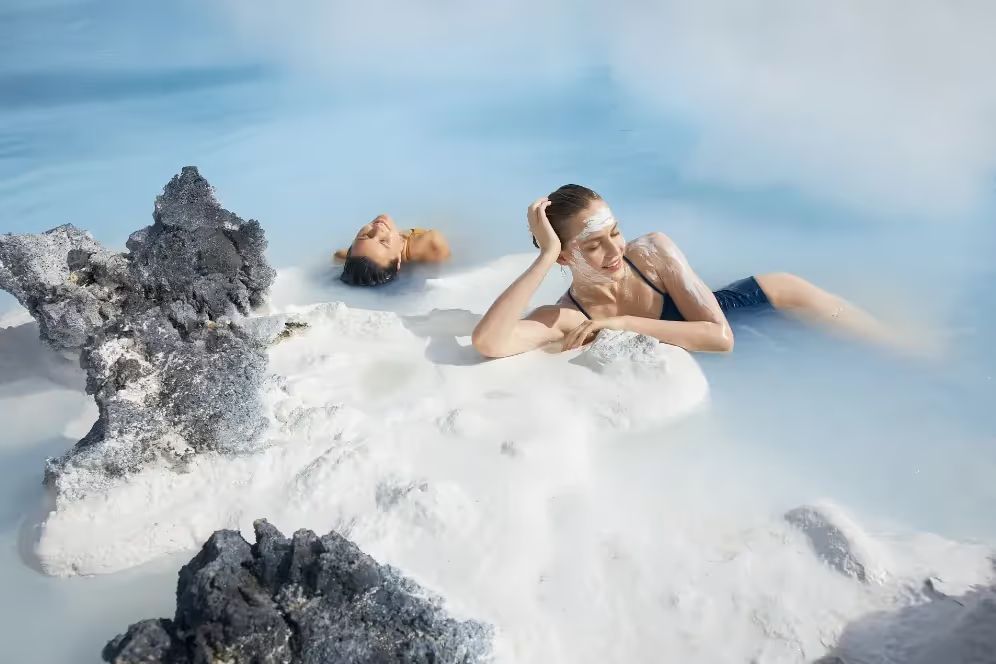
The Blue Lagoon is Iceland's most famous geothermal spa. The milky blue water stays at 37-39°C year-round, making it perfect for winter soaking. There's nothing quite like floating in hot water while surrounded by snow and lava rocks. The minerals in the water are great for your skin too.
Many visitors combine a Blue Lagoon visit with a Reykjanes Peninsula tour. Some tours are scheduled around flight times, making it perfect for arrival or departure days. Standard Blue Lagoon tours last 4-6 hours.
8. Landmannalaugar Winter Super Jeep Tour
- Distance from Reykjavik: About 180 km
- Best for: Adventure seekers who want to go off the beaten path
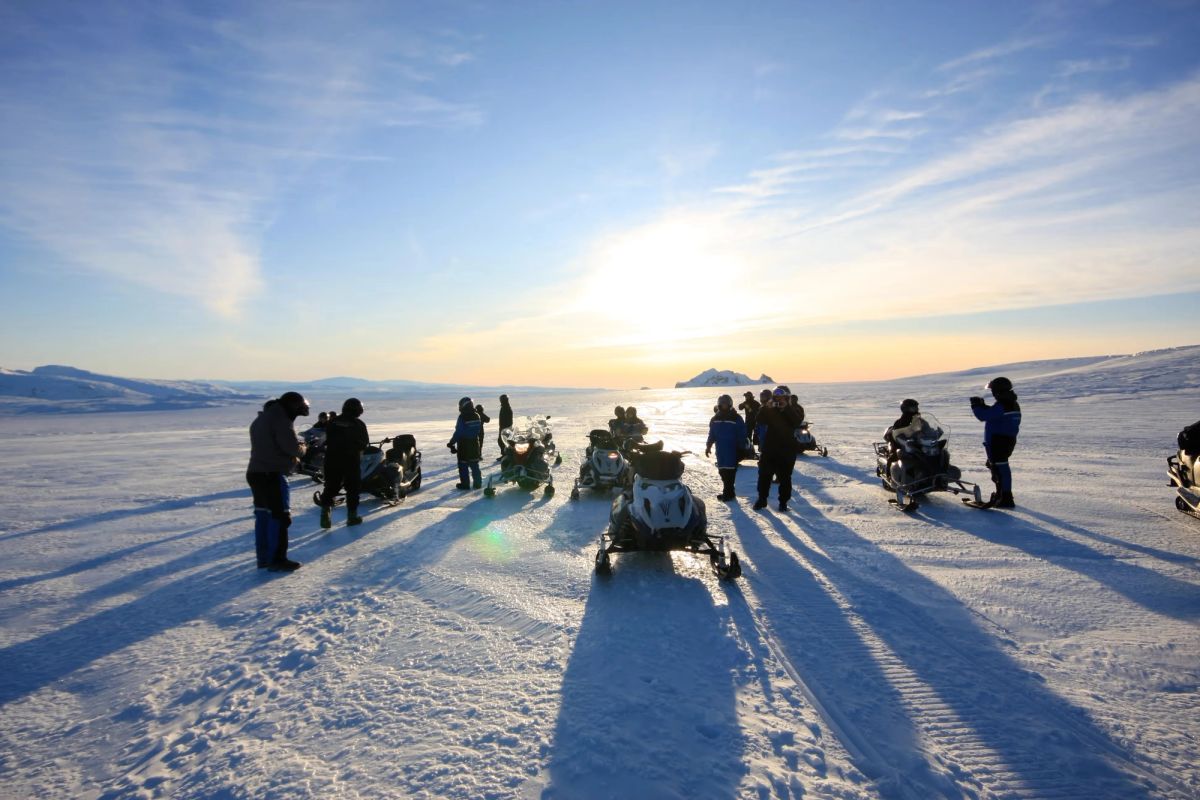
Landmannalaugar is a geothermal wonderland in Iceland's highlands. While it's more famous as a summer destination, winter transforms it into an exclusive, snow-covered paradise that's only accessible by super jeep or snowmobile.
The area is known for its colorful rhyolite mountains, which create rainbow-striped peaks. In winter, the snow adds another layer of beauty to these already stunning mountains. The contrast between the colorful rocks and white snow is extraordinary.
Natural hot springs let you soak in warm water while surrounded by snow and ice. There's nothing quite like the experience of sitting in a natural hot pool in the middle of a winter wilderness. The steam rising from the hot water creates a mystical atmosphere.
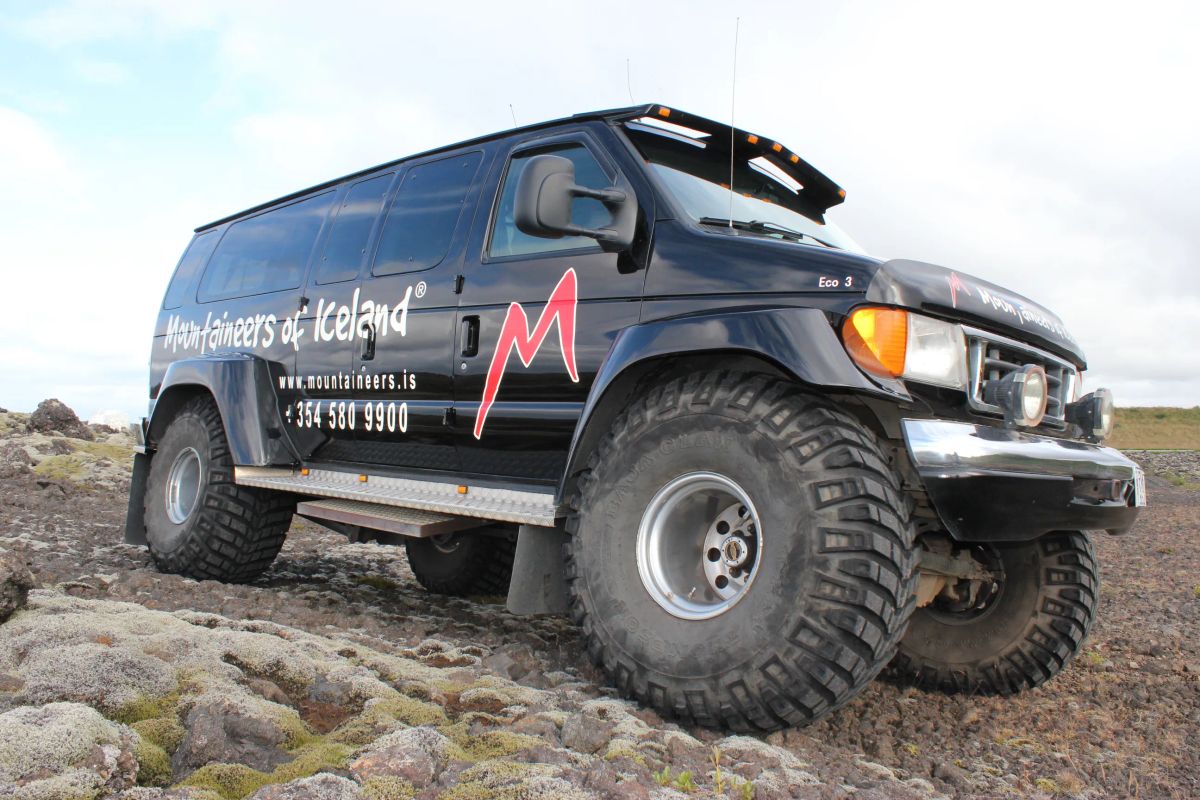
This is definitely an adventure tour. Super jeeps with massive tires are needed to cross snow-covered mountain tracks. The journey itself is part of the excitement as you drive through winter wonderland landscapes that few people get to see.
Winter Landmannalaugar tours from Reykjavik take about 12-14 hours. Because of challenging winter conditions, these tours are less frequent than summer trips and sometimes get cancelled due to weather. Book with flexible cancellation options.
9. Whale Watching from Reykjavik
- Distance from Reykjavik: Departs from Reykjavik harbor
- Best for: Animal lovers and those who want an adventure without a long drive
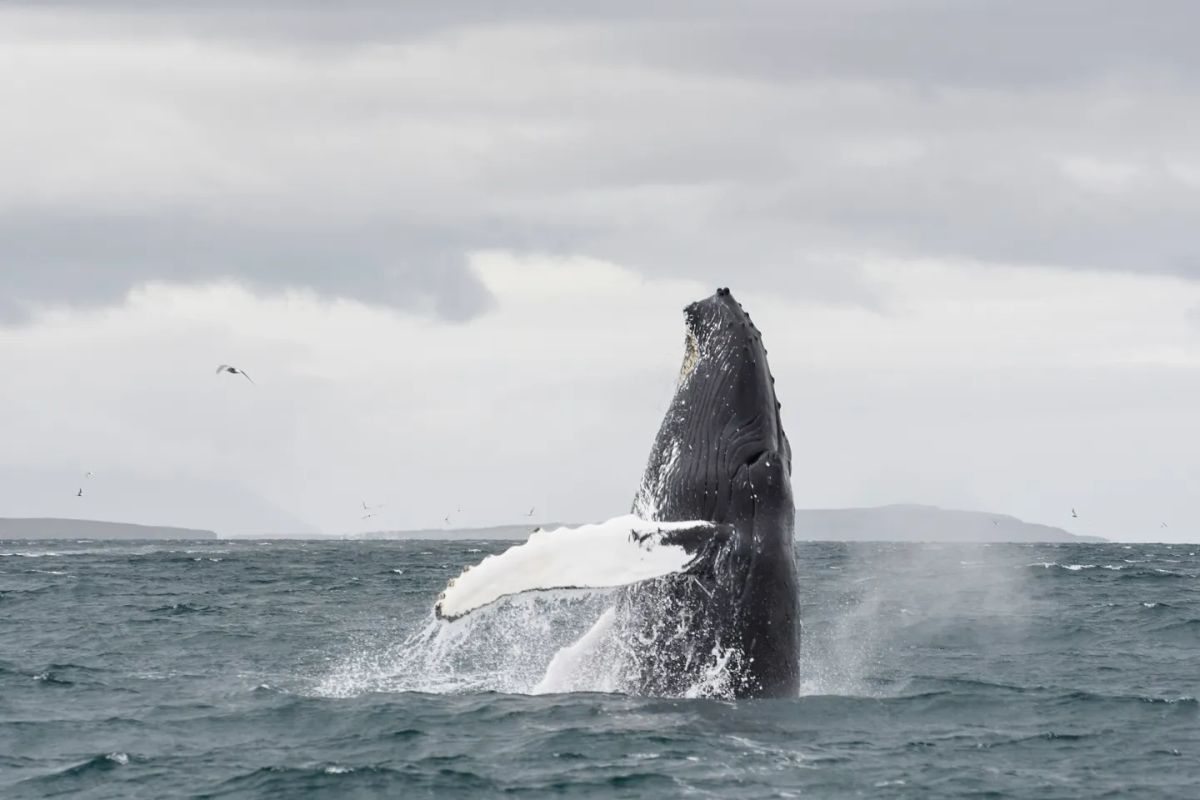
Winter whale watching offers a different experience than summer tours. While you might see fewer species, the whales you do see are often more active. The dramatic winter weather and lower tourist numbers make winter whale watching special.
Minke whales, white-beaked dolphins, and harbor porpoises are commonly spotted in winter. Humpback whales sometimes stick around into early winter. The whales breach, tail-slap, and swim close to boats, giving amazing photo opportunities.
Tours leave from Reykjavik's old harbor, so this is the only trip on this list that doesn't require driving. Tours last 3-4 hours and include warm overalls to wear on deck. Boats have heated indoor cabins where you can warm up between whale sightings.
The sea can be rough in winter, so take motion sickness medication if you're prone to seasickness. Some tours offer a second trip free if you don't see any whales, though sightings are common even in winter.
Several companies offer whale watching tours from Reykjavik's old harbor. Some combine whale watching with other activities like visiting Videy Island or exploring the harbor area.
10. Thorsmork Valley Super Jeep Adventure
- Distance from Reykjavik: About 150 km
- Best for: Adventurous travelers who want to reach remote winter destinations
Thorsmork is a stunning valley surrounded by glaciers and mountains. The name means "Thor's Forest" and it's one of Iceland's most beautiful and remote areas. In winter, it becomes an exclusive destination that's only reachable by super jeep.
The journey to Thorsmork is an adventure in itself. You'll cross several rivers, drive through volcanic deserts, and navigate snow-covered mountain tracks. The super jeeps with their massive tires make light work of terrain that would stop regular vehicles.
Once in the valley, you're surrounded by incredible scenery. Glaciers hang off the surrounding mountains, including the famous Eyjafjallajokull volcano that erupted in 2010. The valley itself is sheltered and often has better weather than surrounding areas.
Short winter hikes in the area offer spectacular views of glaciers and black sand deserts. The landscape is dramatic year-round but winter snow makes it even more beautiful. You'll see far fewer people than in summer, making the experience feel very exclusive.
Compare Golden Circle Tours
Check each selected product for its current operator, guide, itinerary, meeting point, and terms.
View Our Tours

