
Both are aurora. Both are caused by the same process. Both look the same from the ground. The differences between the Northern Lights and Southern Lights come down to location, accessibility, and one scientific detail that researchers did not fully understand until recently.
What Causes Both the Northern and Southern Lights?
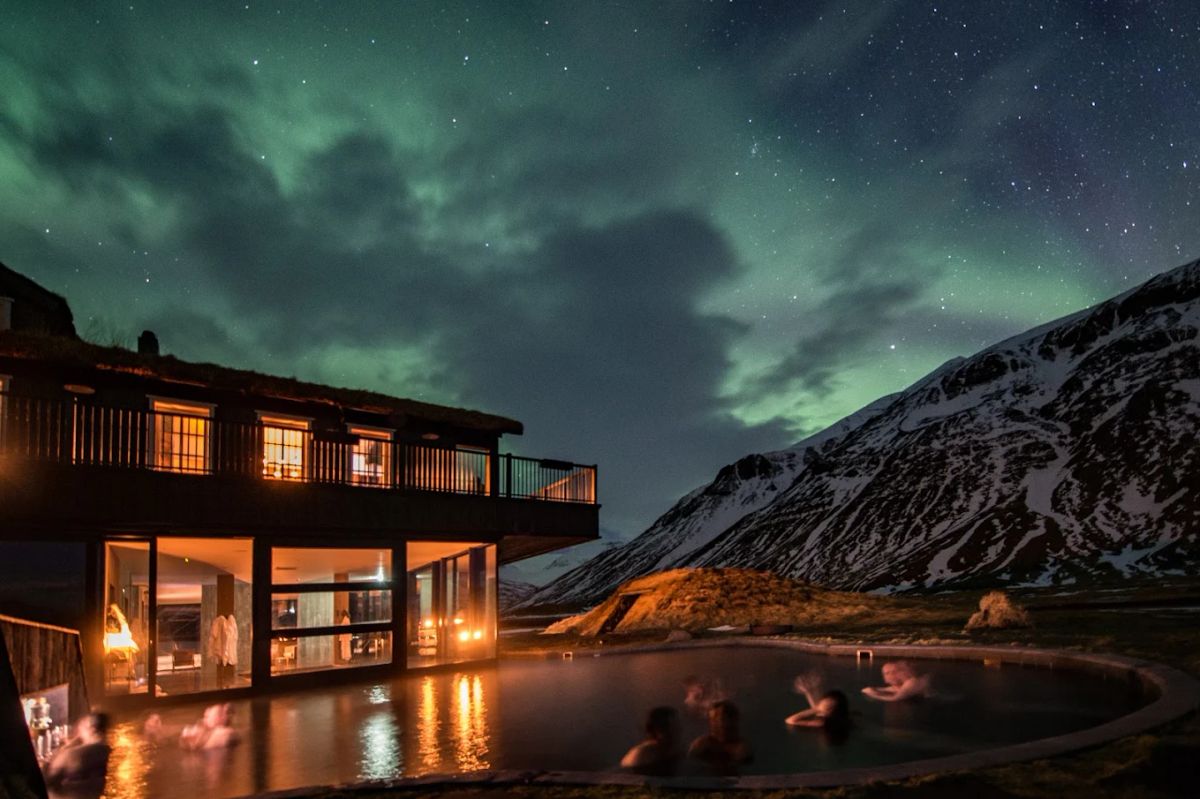
Aurora forms where solar particles funnel down the magnetic field lines into the atmosphere.
The cause is identical for both. Charged particles from the sun, primarily electrons and protons, stream toward Earth as solar wind. Earth's magnetic field deflects most of them, but at the polar regions the magnetic field lines funnel particles down into the upper atmosphere. There they collide with oxygen and nitrogen gas molecules, releasing energy as visible light.
The colors produced depend on which gas is involved and at what altitude:
- Green — oxygen at around 100 km altitude. The most common color in both hemispheres.
- Red — oxygen at higher altitudes above 200 km. Rarer, appears during intense aurora activity.
- Blue and purple — nitrogen molecules, typically at the lower edges of a display.
- Pink — a combination of nitrogen and low-altitude oxygen.
The Northern Lights are called aurora borealis. The Southern Lights are called aurora australis. Aurora is Latin for dawn. Borealis means northern. Australis means southern.
Where You Can See the Northern Lights
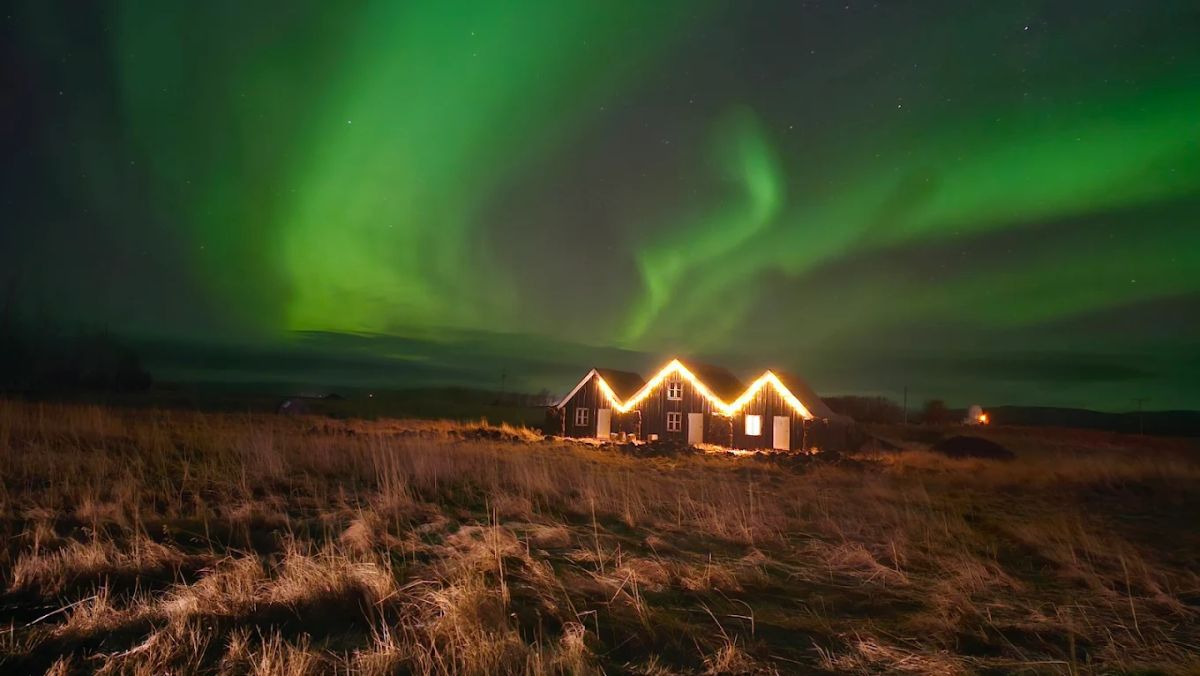
Iceland sits directly beneath the northern auroral oval.
The Northern Lights occur beneath the auroral oval surrounding the North Magnetic Pole. The countries with the most consistent viewing are:
- Iceland — sits directly beneath the auroral oval, excellent dark skies outside Reykjavik, accessible year-round infrastructure
- Norway — Tromso is one of the world's most dedicated aurora tourism destinations
- Finland and Sweden — Lapland offers aurora viewing with additional winter activities including husky sledding and reindeer farms
- Canada — Yukon, Northwest Territories, and northern Alberta all offer strong aurora conditions
- Alaska — Fairbanks is the main aurora tourism hub in the United States
- Greenland — remote but excellent conditions
The main advantage of the Northern Lights from a travel perspective is that the countries beneath the auroral oval are developed, accessible, and have built significant tourism infrastructure around the experience.
Best viewing season: Late August through early April. Aurora requires darkness, which rules out summer months at high latitudes.
Where You Can See the Southern Lights
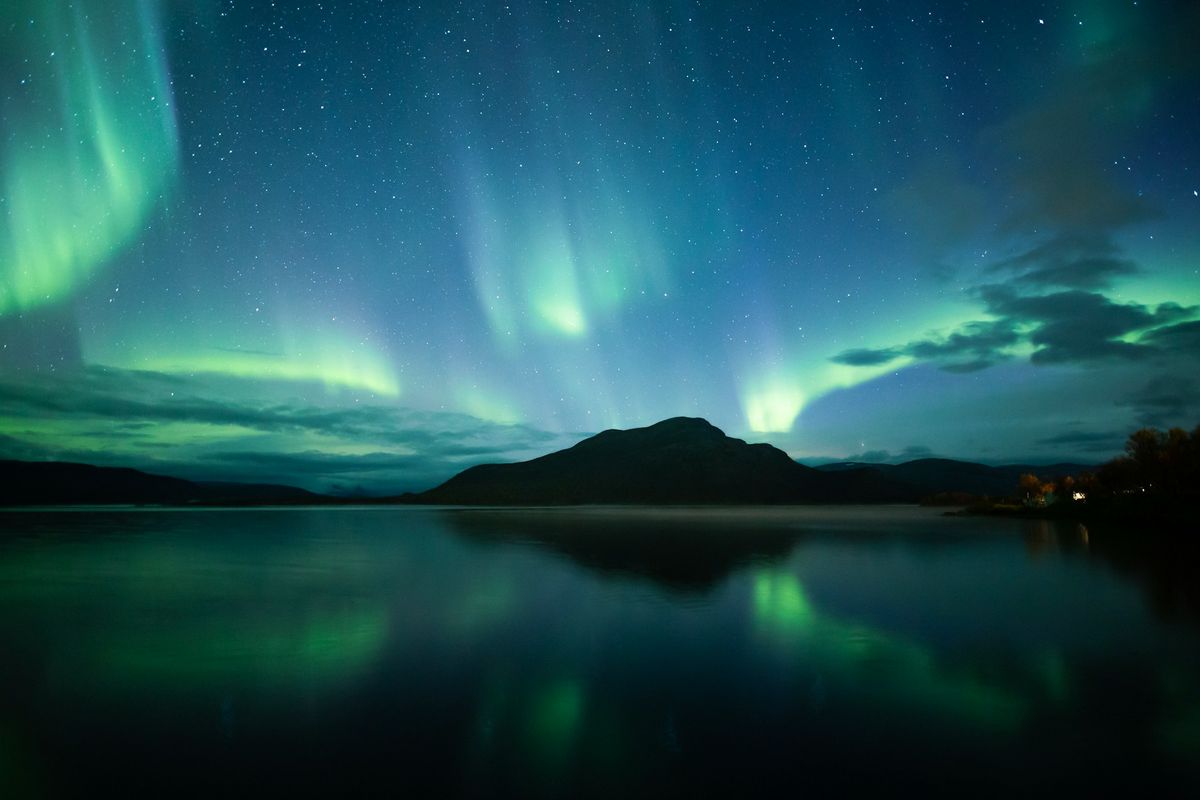
The aurora australis appears over the far south of the globe.
The Southern Lights occur beneath the auroral oval surrounding the South Magnetic Pole. The viewing locations are:
- Antarctica — directly under the southern auroral oval and the best viewing location, but accessible only on expensive expedition cruises or research postings
- Tasmania, Australia — the most practical destination for Southern Lights viewing, with established tourism around the phenomenon
- New Zealand's South Island and Stewart Island — reliable aurora conditions from dark-sky locations in the far south
- South Georgia and Falkland Islands — remote but excellent conditions, mostly accessible by expedition cruise
- Southernmost Patagonia, Argentina and Chile — Ushuaia and Punta Arenas both offer Southern Lights viewing opportunities
The fundamental challenge with the Southern Lights is geography. The land closest to the southern auroral oval is either Antarctica, which has no permanent tourist infrastructure, or ocean.
The populated landmasses that sit within viewing range, Tasmania, southern New Zealand, southern South America, are further from the auroral oval than Iceland or Norway are from the northern one. This means Southern Lights are generally less intense from accessible viewing locations.
Best viewing season: March through September in the Southern Hemisphere, when nights are longest.
Are the Northern and Southern Lights Actually Identical?
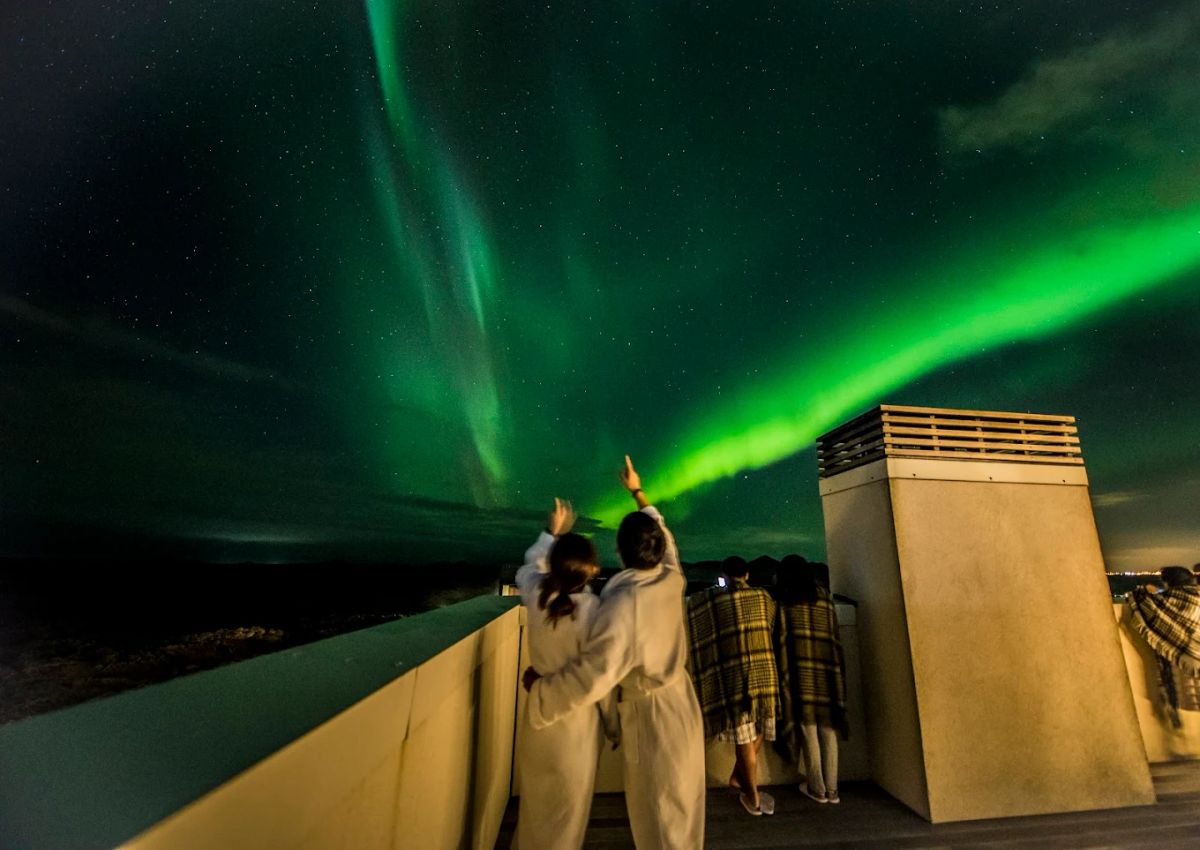
The two hemispheres' displays are close matches, but not exact mirrors.
They were assumed to be mirror images of each other, occurring simultaneously in both hemispheres with identical intensity and form. For a long time, this seemed logical because the magnetic field lines connecting the poles are symmetrical. Research has shown they are not perfectly identical. The two auroras are similar but not exact mirrors.
The reasons include asymmetries in Earth's magnetic field, differences in atmospheric composition between the hemispheres, and the way solar wind interacts differently with the two polar regions. During the same solar event, the displays in each hemisphere can differ in intensity, coverage, and specific formations.
This is a relatively recent scientific finding and is still being studied. For practical travel purposes, the difference is subtle and visible only in detailed scientific measurements, not to the naked eye.
Northern Lights vs Southern Lights: Key Differences at a Glance
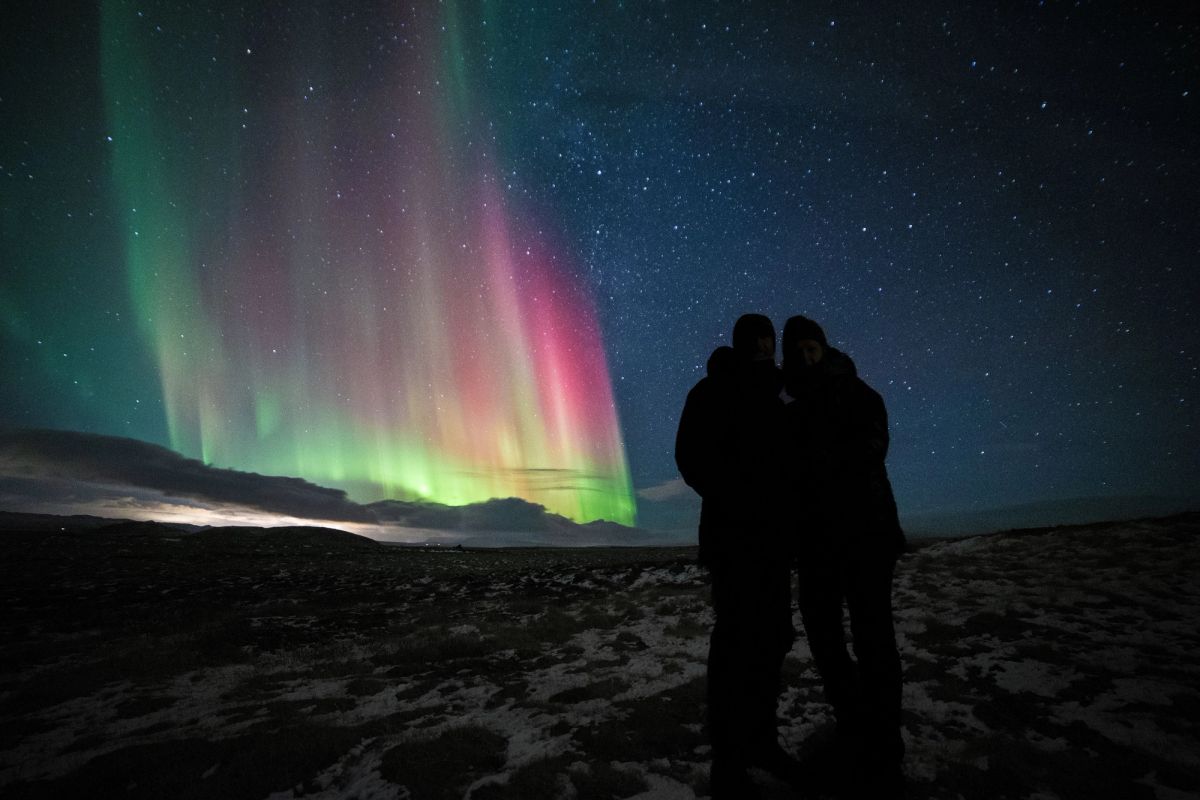
Green dominates in both hemispheres, with pink and red appearing in stronger displays.
- Cause: Identical. Both result from solar particles interacting with Earth's magnetic field and atmosphere.
- Colors: The same range in both hemispheres. Green dominates. Red, blue, purple, and pink appear during intense activity.
- Viewing location: Northern Lights visible from Iceland, Norway, Finland, Canada, and Alaska. Southern Lights visible from Tasmania, New Zealand, Patagonia, and Antarctica.
- Accessibility: Northern Lights win significantly. Iceland, Norway, and Canada have well-developed tourism infrastructure for aurora viewing. Southern Lights locations are fewer, often more remote, and require more logistical planning.
- Intensity from accessible locations: Northern Lights tend to be more vivid from the most popular viewing destinations because those destinations, Iceland and northern Norway, sit closer to the auroral oval than Tasmania or southern New Zealand sit to their equivalent.
- Scientific symmetry: Both occur simultaneously during geomagnetic events. They are similar but not identical mirrors of each other.
- Best season: Northern Lights: September through March. Southern Lights: March through September.
Which Is Better: Northern Lights or Southern Lights?
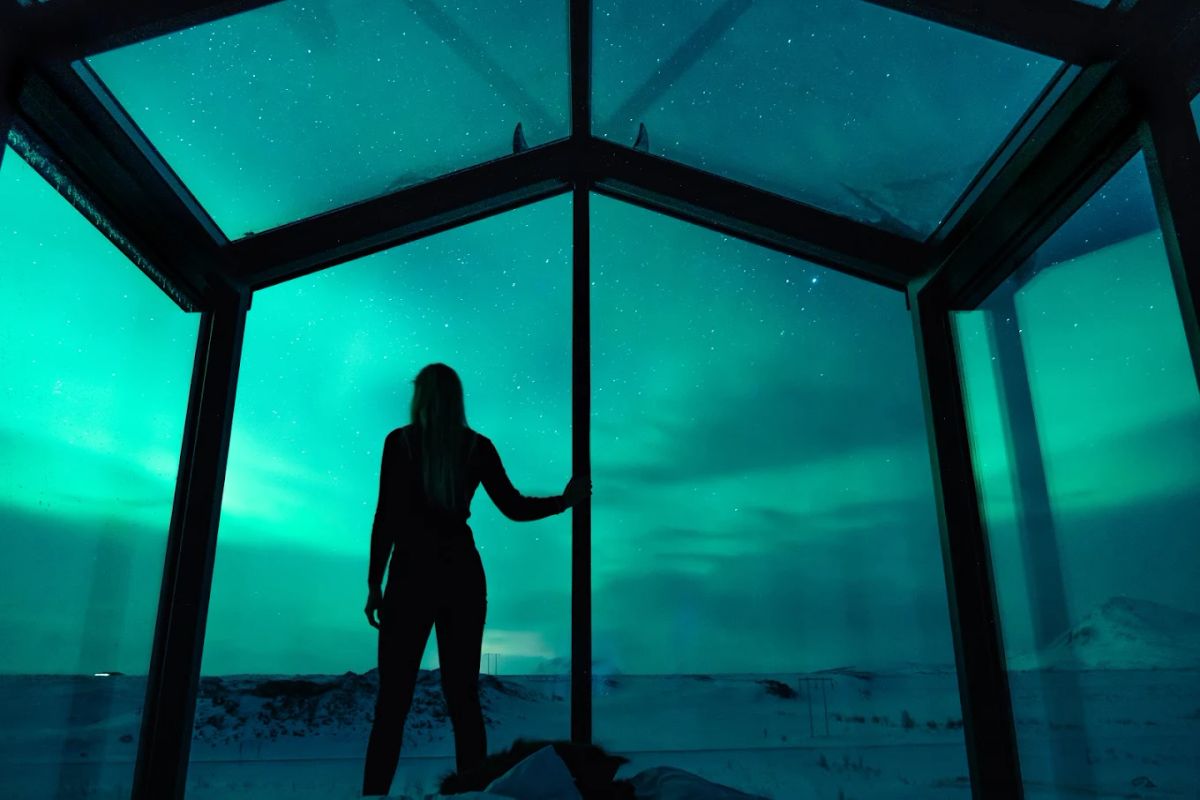
A dark site away from town lighting matters more than which hemisphere you are in.
The aurora itself is the same phenomenon. The difference is entirely practical. The Northern Lights are easier to see. Iceland, Norway, and Finnish Lapland are all established, accessible destinations with flights from Europe and North America, purpose-built accommodation, and experienced aurora guides. The viewing conditions are among the best on the planet.
The Southern Lights are harder to reach. Tasmania and New Zealand are long flights from most of the world. Antarctica requires an expedition. But for travelers who are already planning visits to those destinations, the Southern Lights are a genuine and extraordinary bonus.
If your specific goal is to see an aurora display, the Northern Lights are the practical choice. Iceland in particular offers the best combination of aurora conditions, accessibility, and surrounding attractions of any aurora destination in the world.
Compare Golden Circle Tours
Check each selected product for its current operator, guide, itinerary, meeting point, and terms.
View Our Tours

