
Iceland is one of the most reliable whale watching destinations in the world. The cold, nutrient-rich waters attract more than 20 whale and dolphin species, and sighting rates in peak summer reach 98 to 99 percent at the best locations. This guide covers where to go, which boat type works best for families, what to expect on the water, and how to handle seasickness with children.
Best Whale Watching Locations for Families
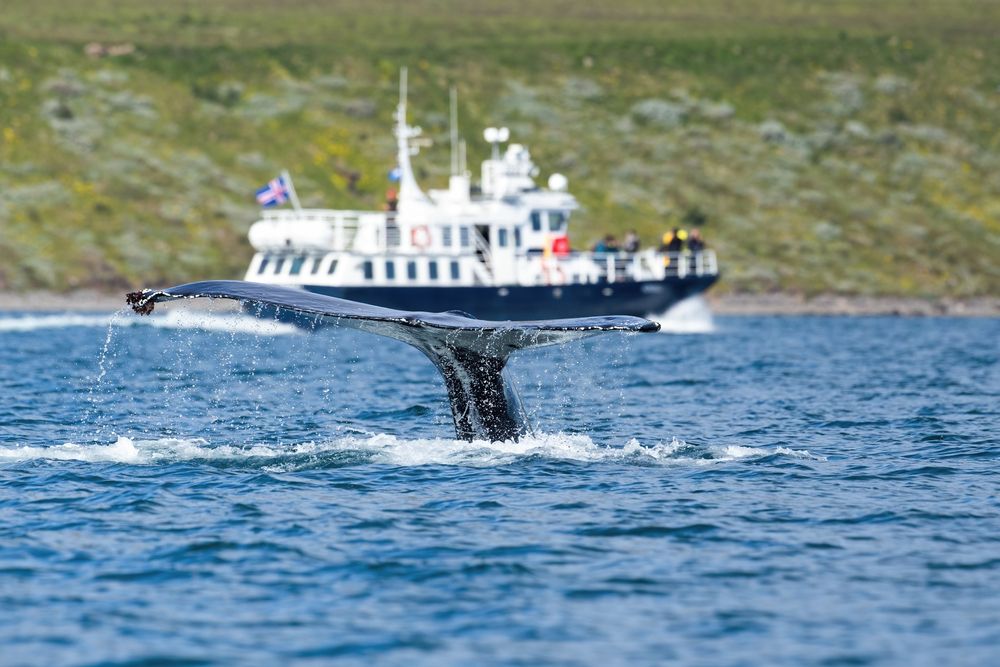
Reykjavik
The most practical option for families based in the capital. Tours depart from Old Harbour, a 20-minute walk from the city center, multiple times daily from spring through autumn. Minke whales, humpbacks, white-beaked dolphins, and harbour porpoises are regularly seen in Faxaflói Bay. Traditional boats have covered indoor areas, toilets, and space for children to move around.
- Sighting rates: 85 to 90 percent in summer
- Best months: May through September
- Duration: 2.5 to 3 hours
- Price: ISK 11,000 to 14,000 per adult, reduced rates for children
Husavik
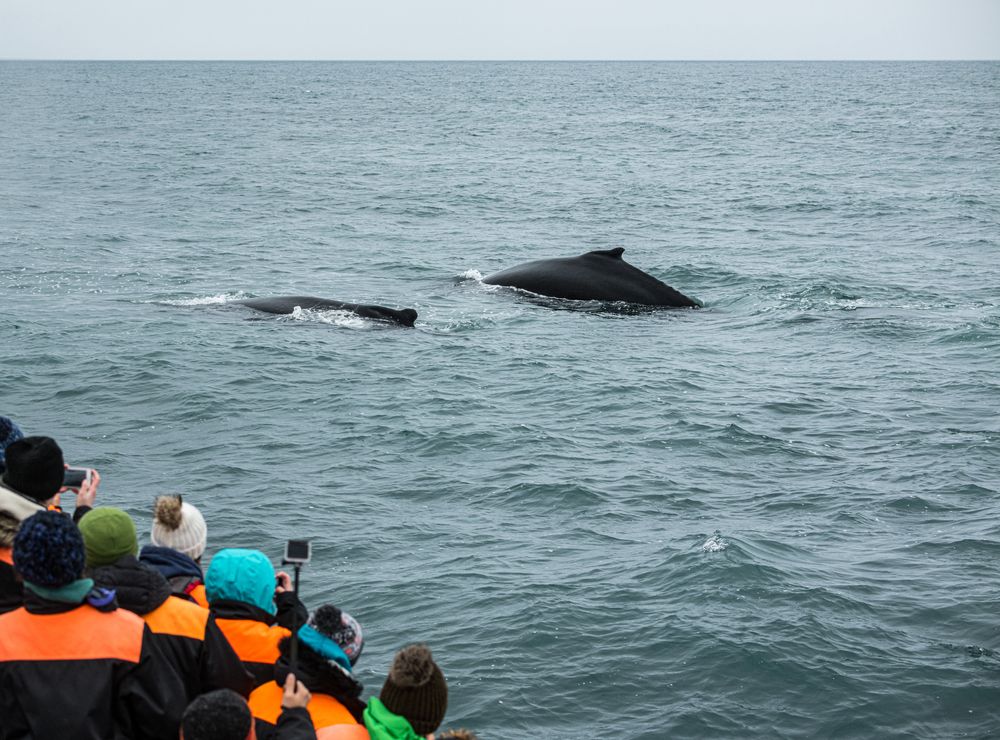
The best whale watching location in Iceland. Skjalfandi Bay has extraordinary humpback populations from late April through October, and sighting rates approach 99 percent in peak summer. Multiple humpbacks at the same time is common rather than remarkable. The traditional oak sailing boats here are stable, spacious, and well-suited to families.
The Husavik Whale Museum in the harbour, with full whale skeletons and detailed displays, adds genuine educational value for children aged 7 and above.
The limitation: Husavik is 4.5 hours from Reykjavik by road and works better as part of an extended itinerary than a day trip.
- Sighting rates: 97 to 99 percent in summer
- Best months: May through October
- Duration: 2 to 3 hours
- Price: ISK 11,000 to 16,000 per adult
Akureyri
Whale watching in the sheltered Eyjafjordur fjord. The protected waters mean significantly calmer seas than open-water locations, making this the best choice for families with very young children or anyone with serious seasickness concerns. Humpbacks and minke whales are regularly seen.
- Best for: Families with young children or seasickness concerns
- Sighting rates: 85 to 90 percent in summer
- Access: 4.5 hours from Reykjavik by road or 45 minutes by domestic flight
Snaefellsnes Peninsula
Iceland's only reliable location for orca watching. Laki Tours operates from Grundarfjordur beneath Kirkjufell Mountain with consistent orca sightings year-round, particularly in winter when herring draws them to coastal waters. Two to 2.5 hours from Reykjavik, it combines well with a Snaefellsnes day trip.
- Best for: Families who specifically want orcas
- Best months: Year-round, winter particularly reliable
Traditional Boat vs RIB Speedboat for Families
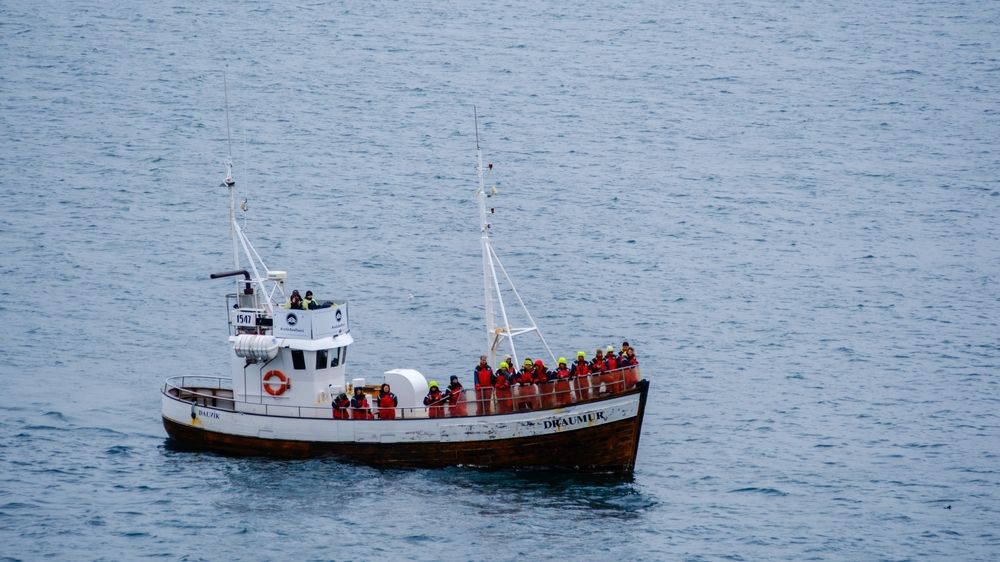
Traditional boats are the right choice for families with children under 8. They have covered indoor cabins, onboard toilets, and a stable ride. Children can go inside if cold or unwell. No specialist balance or fitness required.
RIB speedboats put you closer to the whales at water level, which is an extraordinary experience. But they offer no shelter from weather or spray, the ride is fast and bumpy, and children must hold on. Best suited to families with older children and teenagers who are confident on the water.
What Whales Will You See in Iceland
- Humpback whales are the most dramatic species. They breach, slap their tails, and surface close to boats. The most common spectacular sighting in Husavik and Reykjavik is from June through August.
- Minke whales are smaller and faster. They surface quickly and move on. The most commonly seen species in Reykjavik waters and a reliable sighting.
- White-beaked dolphins ride bow waves and appear at close range. Children find them intensely engaging. Frequent in Reykjavik and South Iceland waters.
- Orcas are fast, large, and unmistakable. Consistent in Snaefellsnes and North Iceland, particularly in winter.
- Puffins appear on most summer whale watching tours as an incidental sighting, often giving families their best puffin view of the entire trip.
How to Handle Seasickness With Children
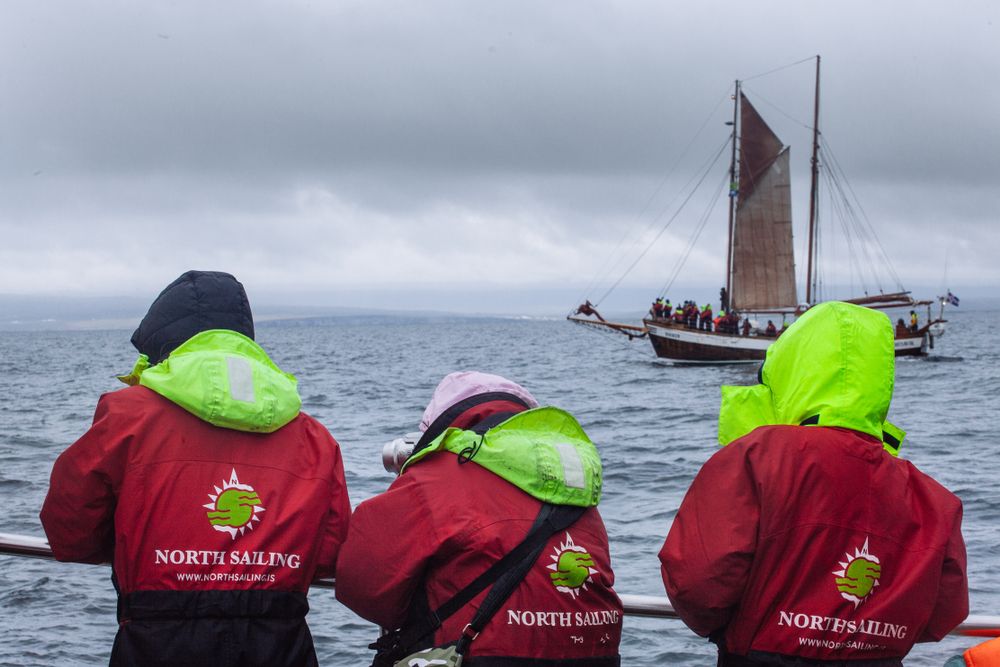
Seasickness is the main practical concern. Iceland's waters can be choppy, particularly in Reykjavik, where the bay is open to Atlantic swell.
- Medication: Dramamine or similar antihistamine medication taken 30 to 60 minutes before departure works for most children. Check age-appropriate dosage with a pharmacist beforehand.
- Ginger: Ginger biscuits, ginger sweets, or ginger supplements are a genuine natural remedy. Pack some for the boat.
- Position: Midship on deck, facing the horizon, is the least nauseating position. Avoid sitting below in an enclosed space.
- Boat choice: If the forecast shows rough conditions, choose Akureyri's sheltered fjord over Reykjavik or Husavik open water.
What to Wear on a Whale Watching Tour With Children
The water is significantly colder than the air temperature on land, and the wind on the boat adds to the chill. Dressing children for a whale watching tour requires the same approach as any exposed outdoor activity in Iceland.
- Warm thermal base layers underneath everything
- A warm mid-layer: fleece or insulated jacket
- Waterproof and windproof outer jacket
- Waterproof trousers, if possible, particularly for young children
- Warm hat covering ears
- Waterproof gloves
- Warm, waterproof footwear
Most traditional whale watching boats provide warm overalls on request, but the layers underneath matter. A child in thin summer clothes under a borrowed overall will be cold within the hour.
Protect cameras and phones. Sea spray is constant on the boat deck. A waterproof case or a zip-lock bag protects phones. Bring a dry bag for expensive cameras. Losing a photo of a humpback breach because the phone screen stopped responding to a wet finger is avoidable.
When to Book Whale Watching in Iceland
- June through August: Peak season. Highest sighting rates, widest species variety, best weather. Book 3 to 4 weeks in advance minimum.
- May and September: Good sighting rates, fewer crowds, lower prices. Conditions can be choppier.
- Winter: Best for orcas in Snaefellsnes and North Iceland. General success rates are lower, and conditions are significantly colder.
Compare Golden Circle Tours
Check each selected product for its current operator, guide, itinerary, meeting point, and terms.
View Our Tours

