
Iceland is the kind of country that makes every other destination feel slightly ordinary by comparison. The landscape is geologically active, visually extreme, and genuinely unlike anywhere else on Earth. Glaciers, volcanoes, geysers, Northern Lights, black sand beaches, whale-rich fjords, and ancient Viking history all exist within a country smaller than the state of Kentucky.
This guide covers the best of it, organized by category, with honest notes on what each experience actually delivers and when to do it.
Drive the Golden Circle
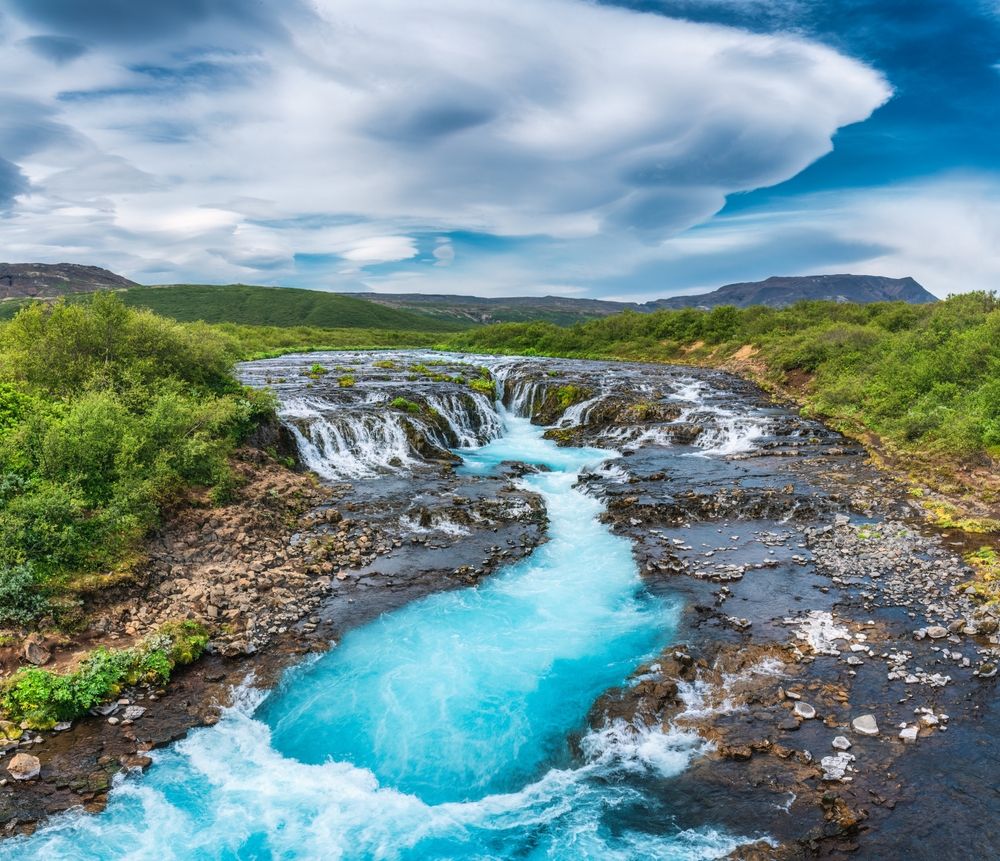
The Golden Circle is the most popular day trip in Iceland and earns that status. Three world-class landmarks within a single loop from Reykjavik: Þingvellir National Park, where you walk between two tectonic plates along the Almannagjá gorge and where Iceland's ancient parliament convened from 930 AD. Geysir, where Strokkur erupts every 5 to 10 minutes to heights of 15 to 40 meters. Gullfoss, a two-tiered waterfall that drops into a narrow canyon and produces mist you feel before you see the falls.
All on paved roads. Completable in a day. Addable to, with detours like the Kerid volcanic crater, Friðheimar greenhouse restaurant, and the Secret Lagoon in Fludir. The Golden Circle is the natural first full day outside Reykjavik for any first-time visitor, and it consistently delivers.
Best season: Year-round. Summer for long daylight and green landscapes. Winter for frozen falls, dramatic steam at Geysir, and Northern Lights on the return drive.
Walk Behind Seljalandsfoss Waterfall
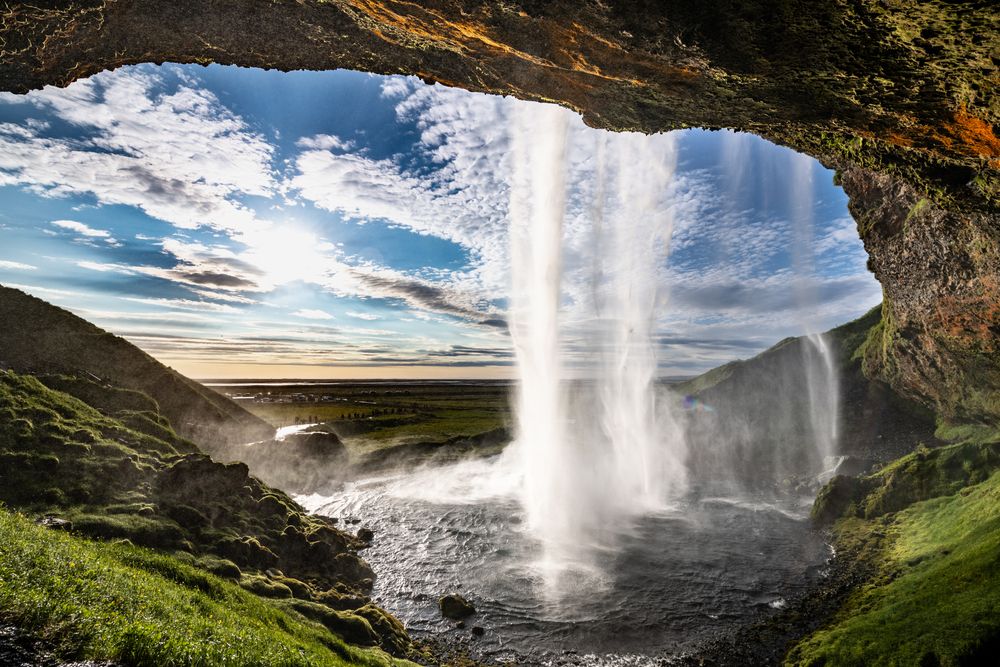
On the South Coast, about 1.5 hours east of Reykjavik on Route 1, Seljalandsfoss drops 60 meters off an ancient sea cliff. A path takes you behind the curtain of water and into a cave behind the falls. Standing behind a waterfall while it falls in front of you, in full volume, is an immediate and specific experience that photographs don't fully capture.
The path is wet. Expect to get drenched if you go in light clothing. In winter, the path behind the falls sometimes closes due to ice, but the waterfall itself is extraordinary in cold months.
600 meters south of Seljalandsfoss, Gljúfrabúi hides inside a narrow canyon gorge. Most visitors miss it. Walk south from the main waterfall, find the gap in the cliffs, and wade through a shallow stream to stand inside the gorge looking up at water falling through a hole in the rock ceiling. It takes 10 minutes and requires wet feet.
Best season: May through October for the behind-the-falls path. Year-round for the waterfall itself.
See the Northern Lights
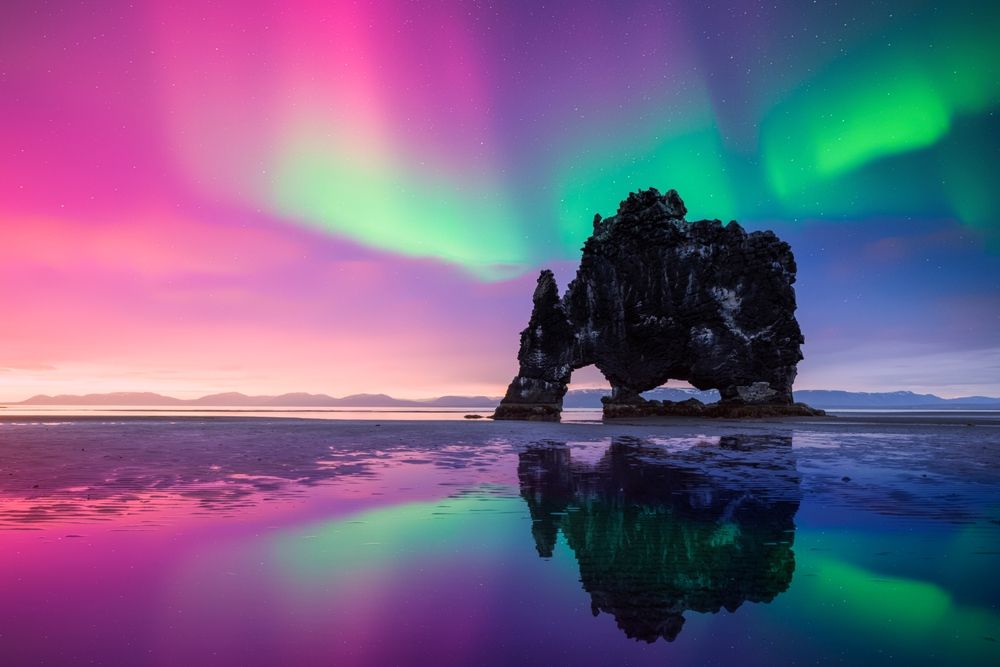
The Northern Lights are possible in Iceland from late August through early April, whenever nights are dark enough and solar activity is sufficient. Iceland's position directly beneath the auroral oval gives it some of the most accessible aurora viewing in the world.
Watching the lights move across the sky over a volcanic landscape or a glacier lagoon is one of those specific experiences that travelers consistently describe as among the best of their lives. The unpredictability is part of it. You cannot book the aurora. You can only be in the right place with clear skies and patience.
The best viewing spots are away from Reykjavik's light pollution. Route 36 east toward Þingvellir leaves the city's light dome within 20 minutes. Þingvellir National Park's dark skies and lake reflections make it one of the most accessible aurora locations near the capital. In winter, the area around Jokulsarlon Glacier Lagoon has almost no light pollution and offers aurora reflected in water among floating icebergs.
Check the aurora forecast at en.vedur.is before heading out. You need clear skies and aurora activity of KP 3 or above for a visible display.
Best season: September through March. Peak aurora months are September, October, February, and March.
Visit Jokulsarlon Glacier Lagoon
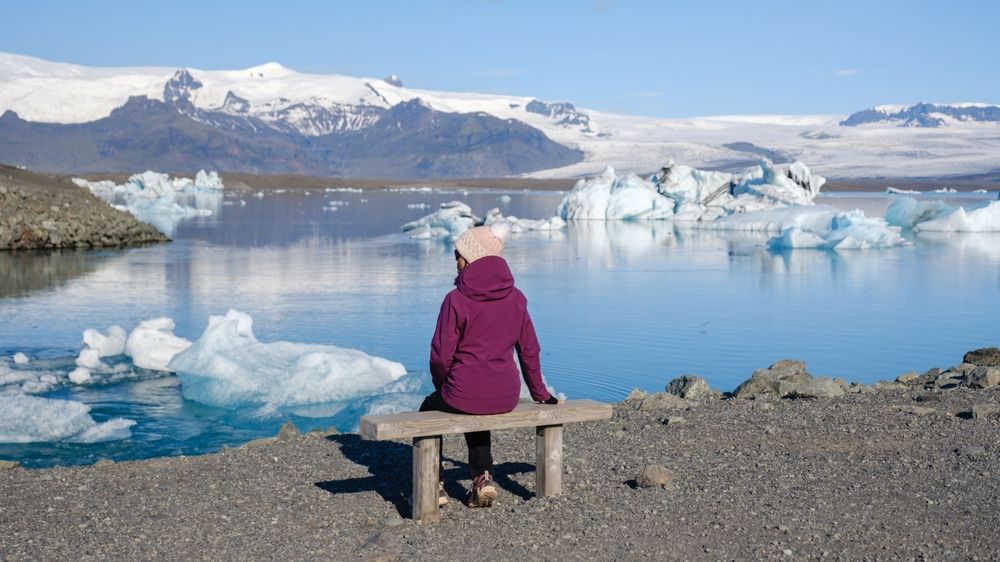
Jokulsarlon is Iceland's most visually dramatic single location. A vast lake filled with floating icebergs calved from Breiðamerkurjökull glacier, some glowing white, some turquoise, some streaked with ancient black volcanic ash. The lake sits directly on Route 1 in Southeast Iceland, 5 hours from Reykjavik.
Amphibious boat tours take you out among the icebergs in summer. Seals rest on the ice. The glacier face is visible in the distance. Directly across the Ring Road, Diamond Beach is covered in chunks of glacial ice washed ashore on jet-black sand, catching light like scattered glass.
Jokulsarlon is too far for a comfortable day trip from Reykjavik. Plan it as part of a South Coast overnight trip or a Ring Road itinerary.
Best season: Year-round. Summer for boat tours and maximum ice. Winter for Northern Lights over the lagoon and ice on Diamond Beach in extraordinary light.
Snorkel or Dive Silfra, Þingvellir
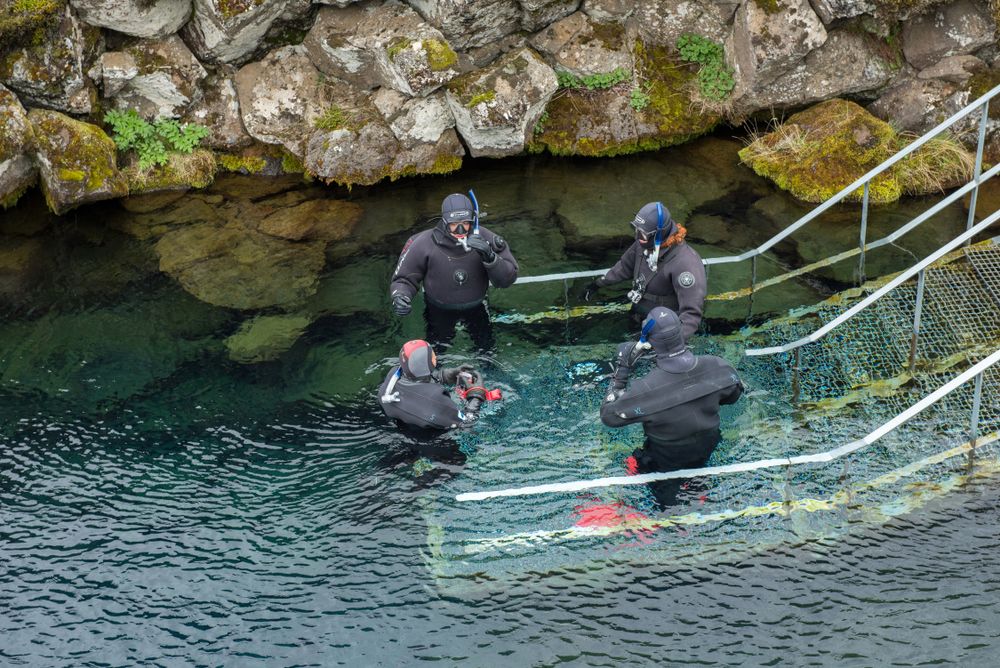
Silfra is a crack in the earth inside Þingvellir National Park, filled with glacial meltwater filtered through lava rock for decades before emerging here. The water is so clear that visibility can exceed 100 meters. You snorkel or dive between the North American and Eurasian tectonic plates, in water at 2 to 4°C, in a visibility that most diving destinations cannot approach even in warm tropical conditions.
Dry suits are mandatory and provided. The physical sensation of floating in water of this clarity, between the walls of two continents, is genuinely unlike any other underwater experience available in the world.
Pre-booking is essential. Silfra cannot be booked as a walk-in activity. Tours require confirmation of swimming ability and basic health conditions.
Best season: Year-round. Water temperature stays constant. Low-angle winter light creates unique underwater color conditions.
Explore the South Coast
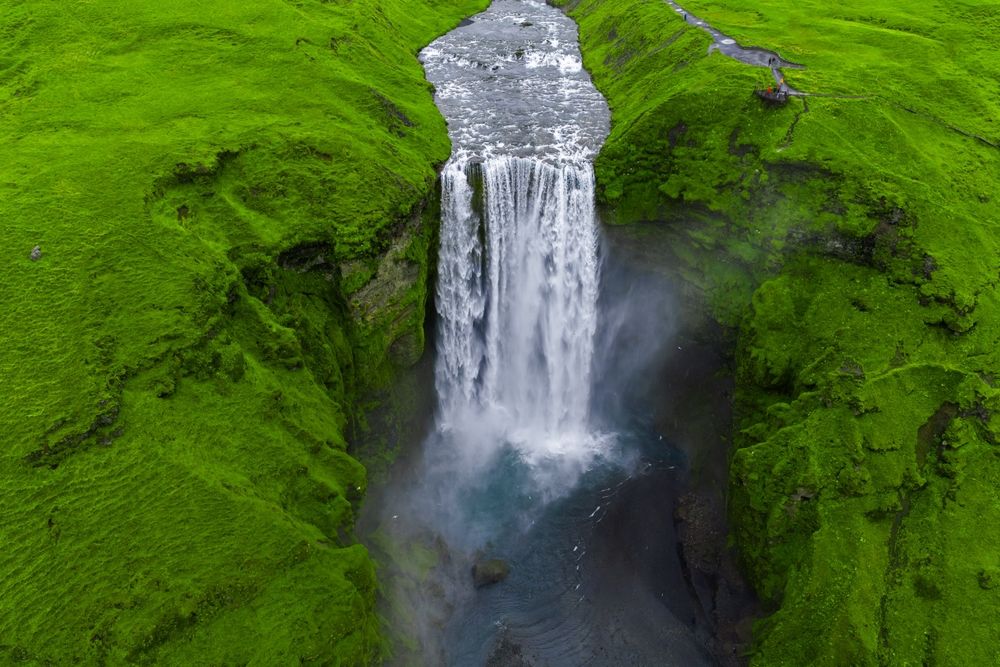
The South Coast drive from Reykjavik to Vik is the most cinematic road trip in Southwest Iceland. Seljalandsfoss, Skogafoss, Reynisfjara, Vik: each stop delivers something completely different from the one before.
Skogafoss drops 60 meters in a single massive curtain and has a staircase to the top with views over the coastal plain toward the sea. Reynisfjara black sand beach has basalt column formations, sea stacks rising from the Atlantic, and waves that require serious respect. The village of Vik sits beneath Myrdalsjokull glacier with the black sand coastline stretching to the Reynisdrangar sea stacks.
The wave warning at Reynisfjara is not precautionary. Unpredictable sneaker waves have caused fatalities at this beach. Stay well back from the waterline at all times and never turn your back to the ocean.
Best season: Year-round. Summer for maximum waterfall volume and accessibility. Winter for dramatic empty beaches and frozen landscapes.
Hike a Glacier
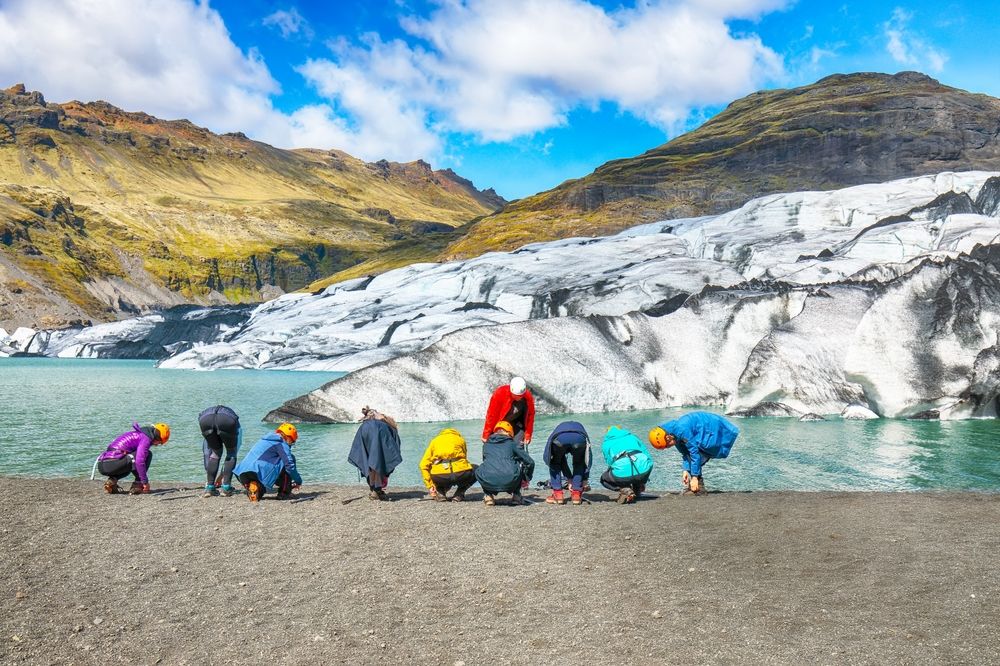
Iceland has more glaciers per capita than almost any country in the world. Walking on one, with crampons fitted and a guide explaining what you are standing on, is an experience specific to Iceland that remains entirely accessible to visitors without mountaineering experience.
Solheimajokull on the South Coast, accessible from Route 1, is one of the most popular glacier hike locations. The glacier surface is crisscrossed by ridges, crevasses, and dark ash deposits from neighboring volcanoes. Guided walks run from the car park at the glacier's edge.
Vatnajokull in Southeast Iceland is the largest glacier in Europe by volume. Guided walks and ice climbing are available from several access points. The ice cave tours inside Vatnajokull, available from November through March, are among Iceland's most extraordinary experiences.
Skaftafell, within Vatnajokull National Park, is the main hub for glacier activities in Southeast Iceland. The visitor center has information on all available guided glacier experiences.
Most glacier hike operators accept participants aged 8 and above. All necessary equipment, including crampons and helmets is provided.
Best season: Glacier hikes run year-round. Ice caves are available November through March only.
Watch Whales in Husavik or Reykjavik
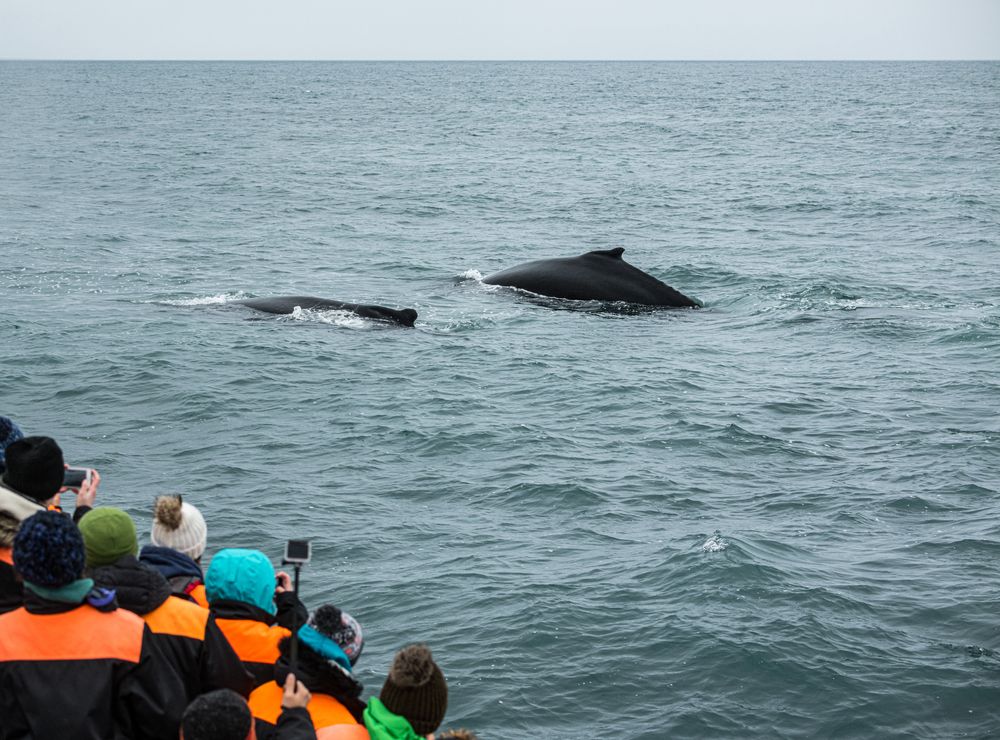
Iceland's cold, nutrient-rich waters support extraordinary marine life. More than 20 whale and dolphin species are found in Icelandic waters. From June through August, sighting rates at the best locations approach 99 percent.
Husavik in North Iceland is the whale-watching capital of Europe. Skjalfandi Bay's resident humpback whale population produces near-certain sightings in summer. Multiple humpbacks at the same time is a regular experience rather than a notable one. Traditional oak fishing boats operating from Husavik harbour are stable, spacious, and suited to all ages.
Reykjavik offers whale watching from Old Harbour, 20 minutes from the city center. Tours take 2.5 to 3 hours, departing daily. Minke whales, humpbacks, and white-beaked dolphins are regularly seen. The most practical option for visitors based in the capital.
Best season: May through September. Humpback activity peaks June through August.
Soak in a Geothermal Pool
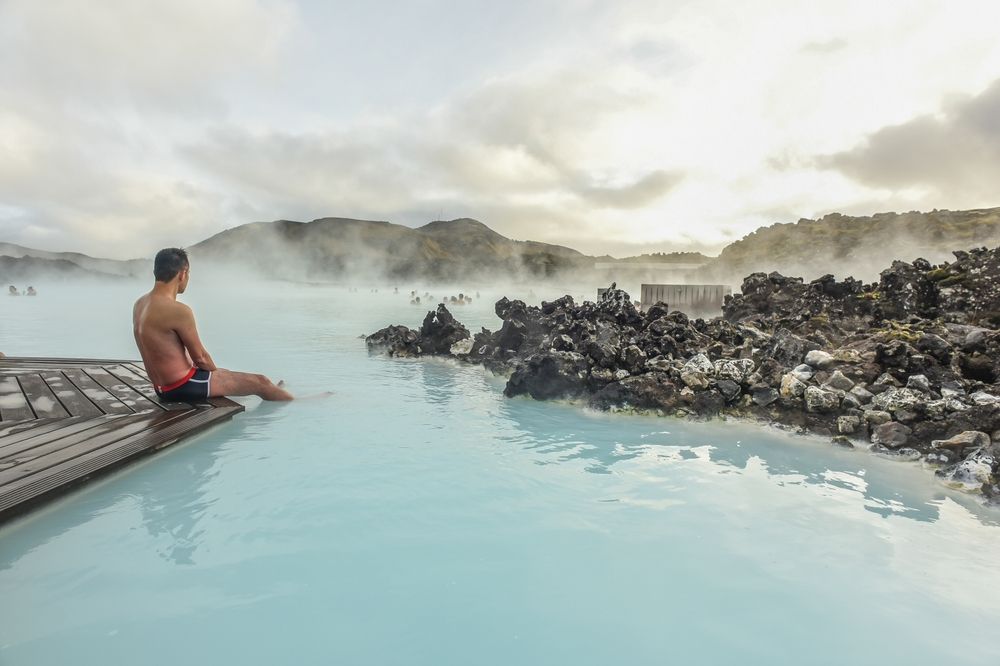
Iceland has geothermal water emerging from the ground across the country, and the national habit of outdoor bathing in hot springs is one of the most immediately enjoyable aspects of being here.
Blue Lagoon near Keflavik Airport is the most famous and most commercial. Milky blue silica water at 37 to 39°C, in-water bar, face mask stations. Expensive and busy. Worth visiting once for the iconic experience. Pre-book well in advance.
Sky Lagoon in Kópavogur, 7 km from central Reykjavik, has an infinity edge overlooking the North Atlantic and a seven-step spa ritual. Less expensive than the Blue Lagoon and closer to the city.
Secret Lagoon in Fludir on the Golden Circle return route is Iceland's oldest swimming pool, built in 1891, at 38 to 40°C year-round. Simple, atmospheric, with a small geyser erupting nearby every few minutes. The best value geothermal experience on the Golden Circle circuit.
Mývatn Nature Baths in North Iceland are often described as what the Blue Lagoon used to be before it became famous. Uncrowded, affordable, set in a volcanic landscape.
Best season: Year-round. Winter bathing in snow and cold air is a specific pleasure.
See Puffins in Summer
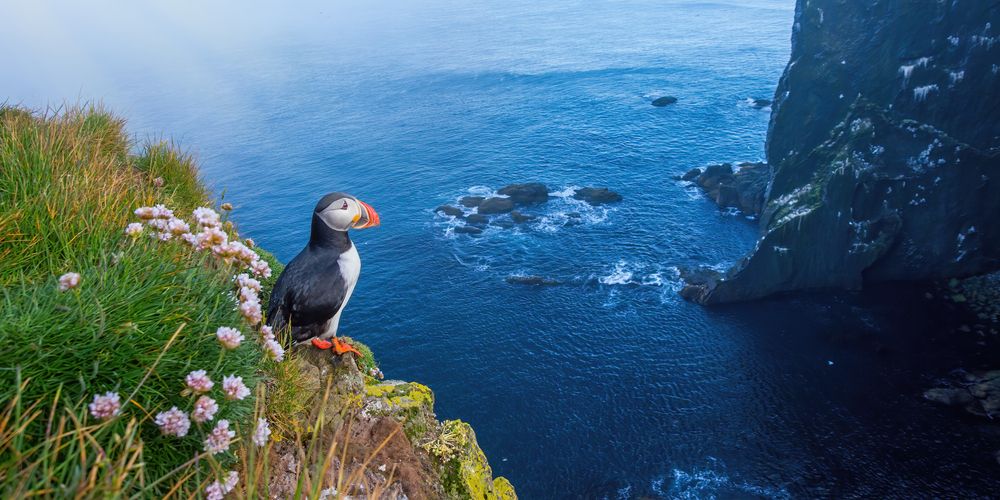
Iceland hosts millions of puffins from May through August, making it one of the most accessible places in the world to see them at close range. The birds nest in cliff burrows and are remarkably unbothered by people at a respectful distance.
Near Reykjavik, the Lundey and Akurey islands are accessible by boat tour from Old Harbour. The Westman Islands (Vestmannaeyjar) south of the mainland have one of the world's largest puffin colonies. The Latrabjarg cliffs in the Westfjords are accessible only by significant detour but have extraordinary puffin numbers. Dyrhólaey on the South Coast is one of the most easily reached puffin-watching locations accessible by car.
Most whale watching tours from Reykjavik and Husavik pass puffin nesting areas and incorporate puffin sightings into the trip.
Best season: May through August. Colonies begin departing in mid to late August.
Walk Reykjavik's Old Town
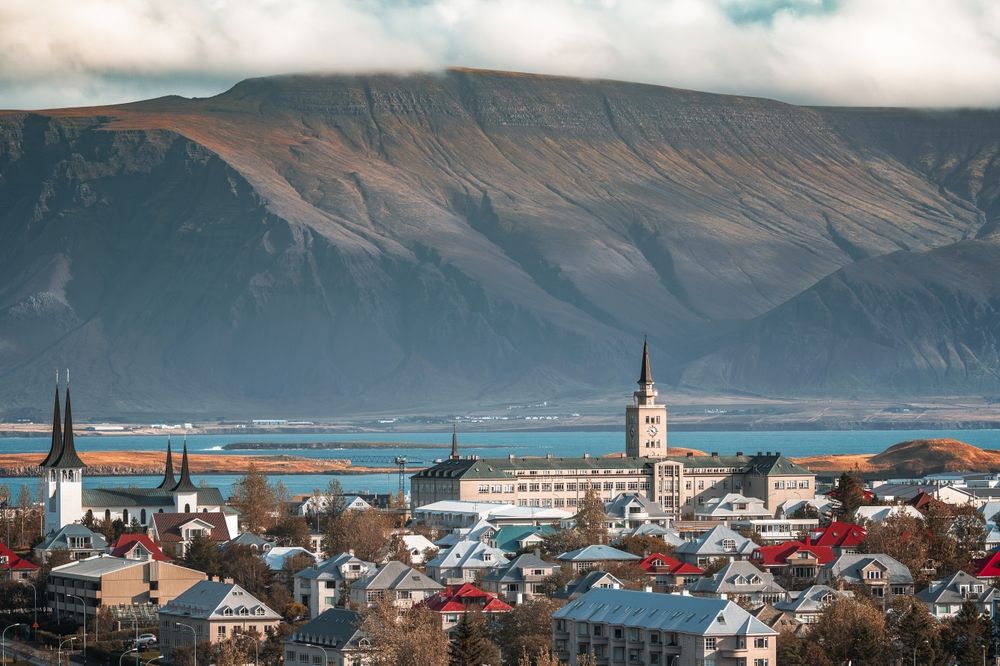
Reykjavik is worth 1 to 2 days of proper exploration. It is small enough that you can walk the entire old town core in a morning, but rich enough in specific stops to fill a full day.
Hallgrímskirkja is the most iconic building in Iceland, 74 meters tall with a lift to the observation tower and panoramic views over the city and harbor.
Harpa Concert Hall on the waterfront is architecturally striking, with a geometric glass facade that changes color through the day. Free to enter the atrium.
The Settlement Exhibition is built around a Viking longhouse excavated under the city center in 2001 and is the best single museum in Reykjavik.
Laugavegur is the main shopping street with the best concentration of Icelandic wool shops, cafes, and independent design stores.
The Old Harbour and Grandi District have been converted into a food and culture hub with excellent restaurants and the Whales of Iceland museum with life-size whale models.
Best season: Year-round.
Drive the Snaefellsnes Peninsula
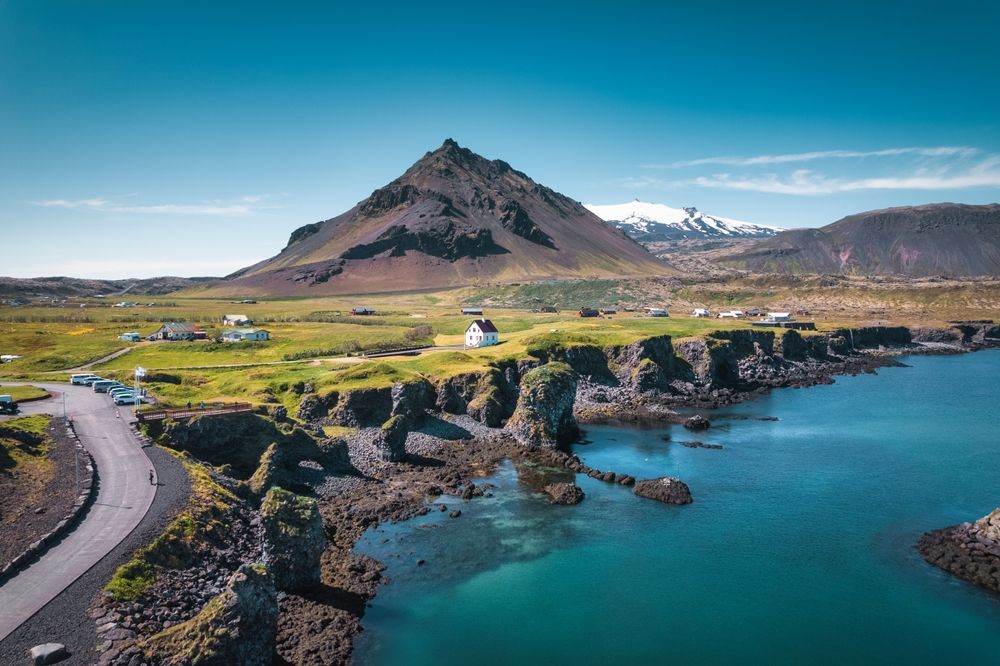
The Snaefellsnes Peninsula, 2.5 hours northwest of Reykjavik, is described by many visitors as Iceland in miniature. In a single day you get glacier, lava fields, fishing villages, bird cliffs, black sand beaches, and the volcanic cone of Snæfellsjokull at the tip.
Kirkjufell, the conical mountain rising from the water's edge near Grundarfjordur, is the most photographed mountain in Iceland. The Arnarstapi coastal walk passes dramatic basalt arch formations and sea bird colonies. The Vatnshellir lava cave near the glacier is one of Iceland's best accessible cave experiences.
The peninsula is also Iceland's only reliable orca watching location, with tours operating from Grundarfjordur.
Best season: Year-round, best in summer for maximum access. Snow on Snæfellsjokull in winter is spectacular.
The 2026 Total Solar Eclipse
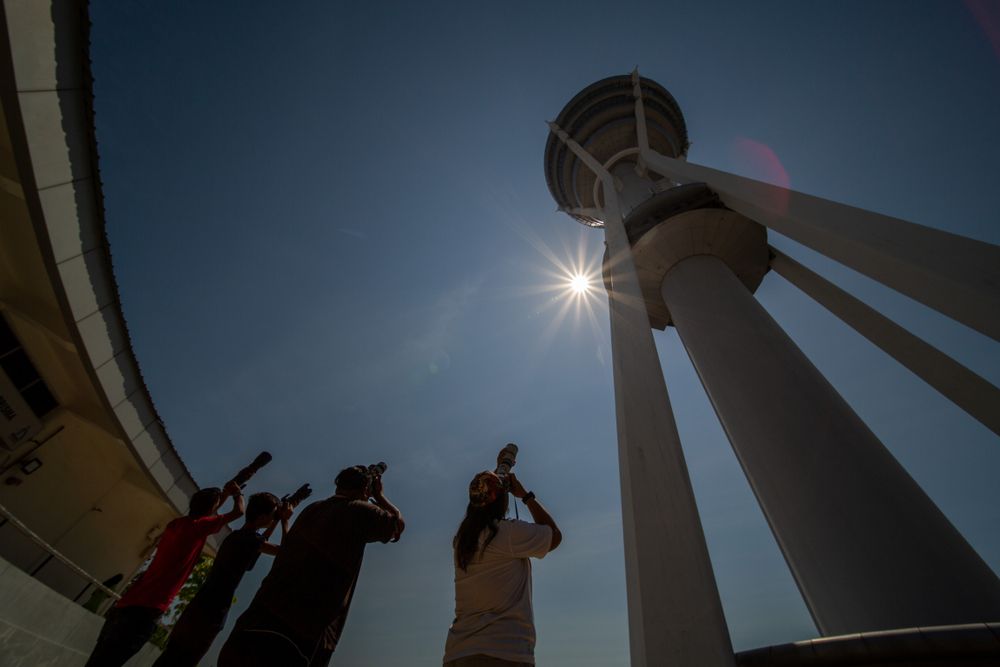
On August 12, 2026, a total solar eclipse passes over Iceland. The Westfjords, Snaefellsnes Peninsula, and Reykjavik will experience totality, with the longest eclipse duration in Europe occurring over western Iceland. This is a once-in-a-generation event for the country and a specific reason for visitors to plan their 2026 Iceland trip around mid-August.
Eclipse viewing conditions in Iceland are weather-dependent, but the combination of the eclipse with Iceland's dramatic landscape makes this one of the most compelling astronomical events in Europe in recent years.
Best viewing areas: Snaefellsnes Peninsula and the Westfjords for maximum totality duration.
Compare Golden Circle Tours
Check each selected product for its current operator, guide, itinerary, meeting point, and terms.
View Our Tours

