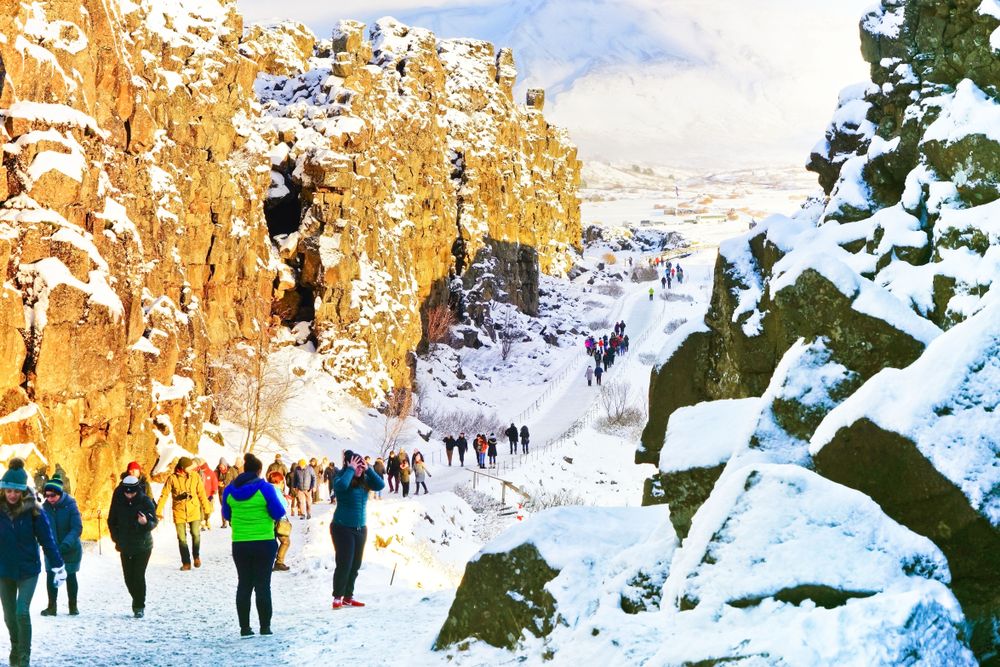
Thingvellir National Park (also spelled Þingvellir) is one of Iceland's most incredible natural and historical treasures. This UNESCO World Heritage Site sits about 40 kilometers northeast of Reykjavik and attracts over 1.5 million visitors every year.
Whether you're a history lover, nature enthusiast, or adventure seeker, this complete guide will help you discover everything this amazing park has to offer.
What Makes Thingvellir National Park So Special?
Thingvellir National Park is the only place on Earth where you can walk between two continental plates above ground. The North American and Eurasian tectonic plates meet here, creating a dramatic rift valley that grows about 2 centimeters wider each year. But that's just the beginning of what makes this place extraordinary.
This park holds three major claims to fame. First, it's a geological wonder where you can literally stand between two continents. Second, it's the birthplace of Iceland's democracy and one of the oldest parliaments in the world. Third, it's part of the famous Golden Circle tourist route, making it easily accessible for visitors.
The park covers about 237 square kilometers of stunning Icelandic landscape. You'll find crystal-clear lakes, dramatic cliffs, cascading waterfalls, volcanic rock formations, and lush valleys. The main lake, Thingvallavatn, is Iceland's largest natural lake and adds to the park's scenic beauty.
Why Is Thingvellir Important in Icelandic History?

The name "Thingvellir" means "Parliament Plains" in Icelandic, and this place has been the center of Icelandic society for over 1,000 years.
In the year 930 AD, Viking settlers established the Althing (Alþingi) here. This was Iceland's national parliament and one of the world's oldest representative assemblies. For centuries, chieftains from across Iceland gathered here every summer to make laws, settle disputes, and make important decisions about the country's future.
The Althing met at Thingvellir from 930 AD until 1798, a period of nearly 870 years. During these gatherings, thousands of people would camp in the valley. They came to participate in legal proceedings, trade goods, arrange marriages, and share news from different parts of Iceland.
Some of Iceland's most important historical events happened here. In the year 1000 AD, Icelanders decided to adopt Christianity as their official religion at Thingvellir. In 1944, Iceland declared its independence from Denmark at this very spot, making Thingvellir the birthplace of the modern Icelandic nation.
How Were the Geological Features of Thingvellir Formed?
The geology of Thingvellir is absolutely fascinating. This park sits directly on the Mid-Atlantic Ridge, where the North American and Eurasian tectonic plates are slowly pulling apart. This makes Thingvellir one of the few places on Earth where you can see this geological process happening above sea level.
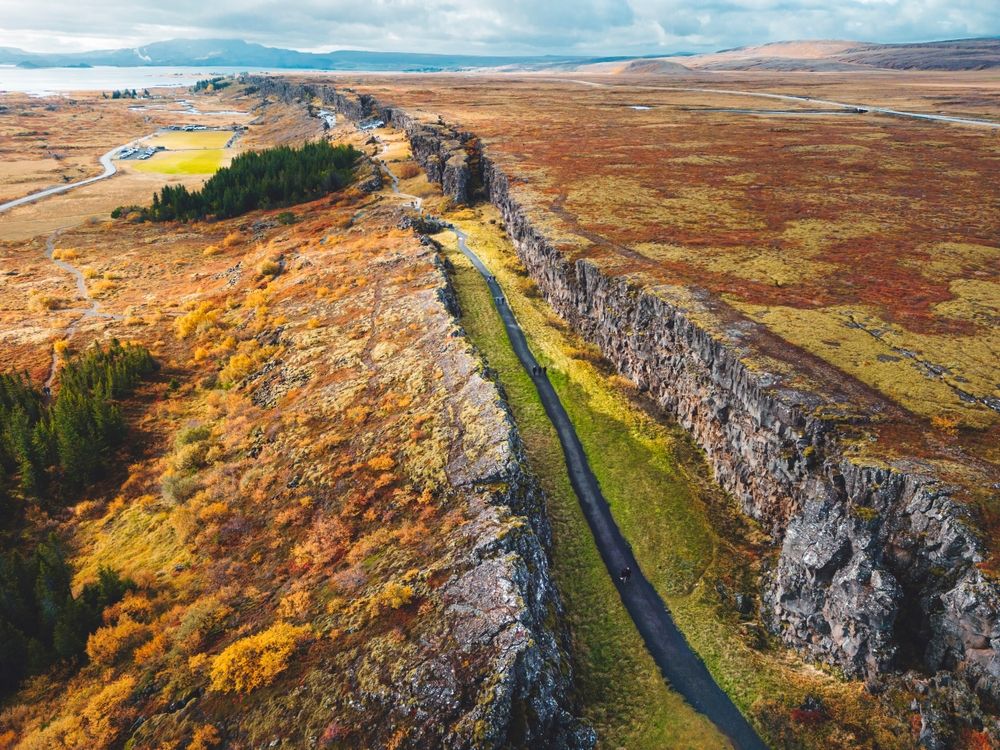
The rift valley you see today formed through thousands of years of volcanic activity and tectonic movement. As the plates separate, the land between them sinks, creating a valley. The tall cliffs on either side mark the edges of the tectonic plates. The eastern cliff, called Almannagjá, belongs to the Eurasian plate, while the western side is part of the North American plate.
Volcanic eruptions have also shaped this landscape. Layers of lava flows from different time periods create the rocky terrain. The most recent major eruption in this area happened about 9,000 years ago. The lava fields you walk on today are the cooled remains of these ancient eruptions.
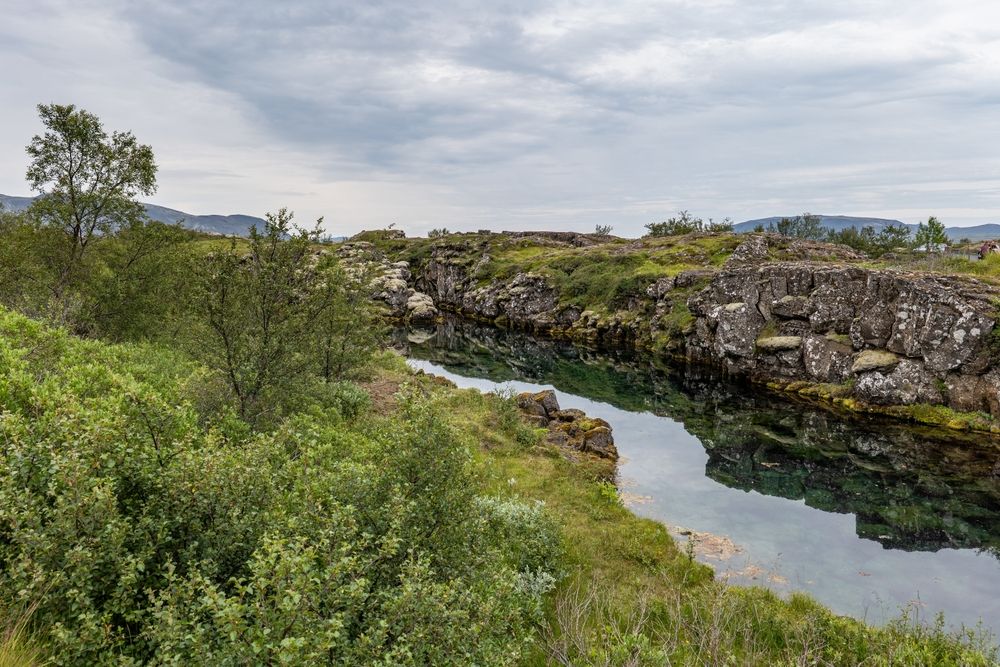
The constant tectonic movement creates fissures and cracks throughout the park. Many of these fissures fill with crystal-clear glacial water, creating some of the world's best diving and snorkeling spots. The water is so pure because it's filtered through underground lava rock for decades before reaching these fissures.
What Can You See and Do at Thingvellir National Park?

Thingvellir offers an incredible range of activities and sights for every type of visitor. Here's what you can experience during your visit.
Walk Through Almannagjá Gorge
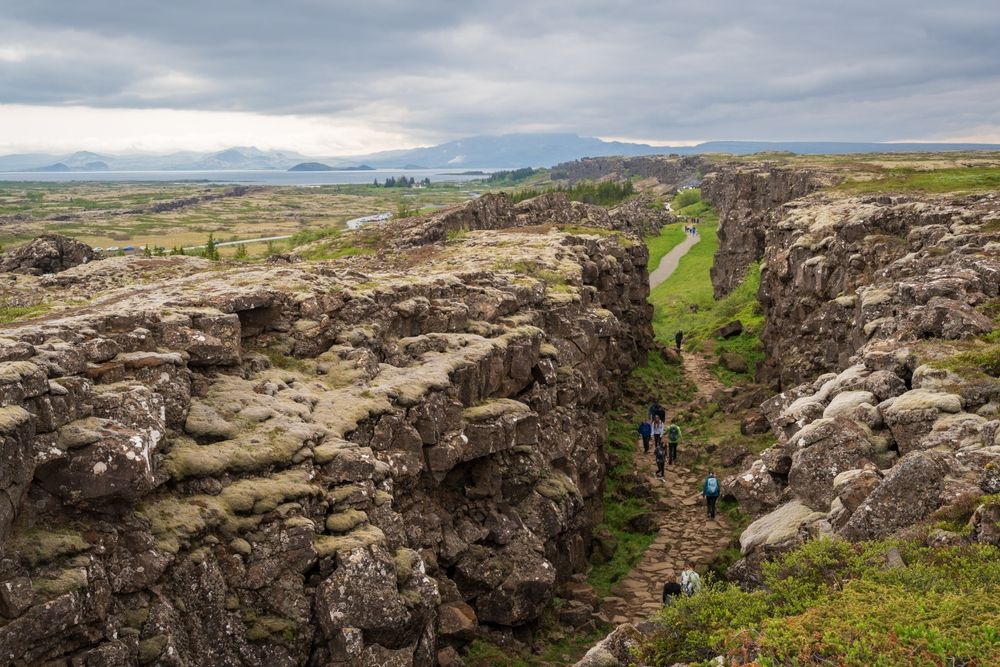
The Almannagjá gorge is the main walking path through the park and one of the most dramatic features. This massive fissure formed as the North American plate pulled away from the Eurasian plate. Walking through this gorge feels like stepping into another world, with towering rock walls on both sides.
The path is well-maintained and easy to walk, making it accessible for most visitors. As you walk, you'll see the Law Rock (Lögberg) where Iceland's law speaker would recite laws and make announcements during the old parliament sessions. Information boards along the way explain the historical and geological significance of what you're seeing.
Visit Öxarárfoss Waterfall
Öxarárfoss is a beautiful waterfall that cascades into the Almannagjá gorge. The Öxará river flows over dark volcanic rocks, creating a stunning contrast, especially in winter when ice formations add extra beauty. The waterfall is about 13 meters high and can be reached by a short, easy walk from the main path.
According to some historical sources, this waterfall may have been partially man-made. Vikings might have diverted the river to provide fresh water for parliament gatherings. Whether natural or enhanced by humans, it's definitely worth seeing.
Explore Thingvallavatn Lake
Lake Thingvallavatn is Iceland's largest natural lake, covering about 84 square kilometers. The lake is incredibly deep in places, reaching depths of 114 meters. It formed in a volcanic crater and is fed by underground springs and glacial rivers.
The lake is famous for excellent fishing, particularly for Arctic char and brown trout. If you have a fishing permit, you can try your luck at catching these fish. The lake also offers beautiful views, especially when the surrounding mountains reflect on its calm surface.
Snorkel or Dive in Silfra Fissure

Silfra fissure is one of the top diving and snorkeling sites in the world. This water-filled crack between the tectonic plates offers visibility exceeding 100 meters, making it one of the clearest bodies of water on Earth. The water temperature stays around 2-4 degrees Celsius year-round, so you'll need a drysuit.
Swimming in Silfra is a surreal experience. You're literally swimming between two continents, with the North American plate on one side and the Eurasian plate on the other. The underwater landscape features incredible blue colors and unique rock formations.
You must book a guided tour to snorkel or dive in Silfra, as independent access isn't allowed. Several companies operate tours from the park. You'll need to meet certain health and swimming requirements, and participants must be comfortable in cold water.
Visit Peningagjá (The Coin Fissure)
Peningagjá is a water-filled fissure that has become a wishing well of sorts. Over the years, visitors have thrown countless coins into this crystal-clear water, creating a glittering display on the rocky bottom. The water is so clear that you can see every coin perfectly, even at significant depths.
While it's become a tourist tradition to throw coins here, park authorities now discourage this practice to protect the natural environment. It's better to simply admire the beauty of this fissure and take photos instead.
Explore the Visitor Center and Museum
The Thingvellir Visitor Center (Þingvellir Visitor Centre) provides excellent context for your visit. Here you'll find detailed exhibits about the park's geology, history, and ecology. The staff can answer questions and provide maps and information about hiking trails.
The center also includes a small café where you can grab refreshments and a gift shop with books and souvenirs. The building itself is designed to blend into the landscape and uses sustainable energy sources.
Hiking in Thingvellir National Park
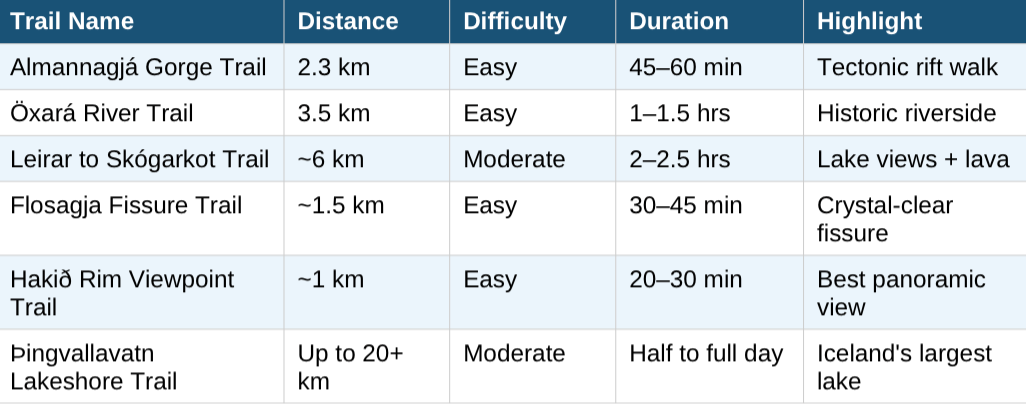
There are three hiking trails at the þingvellir National Park:
1. Almannagjá Fault Trail
Begin your Thingvellir hiking experience at the impressive Almannagjá fault, a gently sloping path located near Hakið Visitor Centre. This dramatic trail runs between the North American and Eurasian tectonic plates, creating a truly rare and unforgettable walking experience.
As you follow the path, towering rock walls rise on either side, clearly marking the boundary between two continents. Walking here allows you to stand between tectonic plates—an experience that is exceptionally rare anywhere in the world.
2. Lögberg – Drekkingarhylur Trail

The Lögberg – Drekkingarhylur Trail is a short yet rewarding walk that can be completed in under 1 hour. Along the route, visitors encounter some of the park’s most historically significant landmarks.
Highlights include Lögberg (Law Rock), where laws were once proclaimed, the former Althing meeting site, and Drekkingarhylur (Drowning Pool), a somber location tied to Iceland’s legal history. This easy trail is approximately 1 mile long and is well suited for first-time visitors.
3. Öxarárfoss Waterfall Hike
The Öxarárfoss Waterfall Trail offers a memorable walk through the heart of Thingvellir National Park. This trail passes through a dramatic volcanic landscape shaped by the movement of tectonic plates.
The hike is approximately 4.5 miles round trip from the visitor center and follows mostly even terrain, making it accessible for many visitors. A railing system and boardwalk guide hikers safely toward Öxarárfoss Waterfall, allowing close-up views of the cascading water within the rift valley. Standing near the waterfall, surrounded by the fault lines, is an unforgettable experience.
When Is the Best Time to Visit Thingvellir National Park?

Thingvellir National Park is open year-round, and each season offers unique experiences. The best time to visit depends on what you want to see and do.
Summer (June to August)
Summer is the most popular time to visit Thingvellir. The weather is mildest, with temperatures ranging from 10-15 degrees Celsius. You'll have long daylight hours, with the sun barely setting during the midnight sun period in June and early July.
The park is greenest in summer, with vegetation in full bloom. All facilities are fully operational, and you'll have the easiest access to all trails and viewpoints. However, this is also the busiest season, so expect crowds, especially midday.
Summer is ideal for hiking, camping, and exploring all parts of the park. The warmer weather makes outdoor activities more comfortable, though you should still bring layers as Icelandic weather can change quickly.
Fall (September to November)
Autumn brings fewer crowds and beautiful fall colors to Thingvellir. The vegetation turns golden and red, creating stunning contrasts against the dark volcanic rocks. Temperatures drop to around 5-10 degrees Celsius, and days get shorter.
September and early October still offer reasonable weather for hiking and sightseeing. This is an excellent time for photography as the changing seasons create dramatic lighting conditions. You might also catch early Northern Lights displays on clear nights.
Late autumn brings more rain and wind, so be prepared for challenging weather conditions. Some facilities may have reduced hours or close for the season.
Winter (December to February)
Winter transforms Thingvellir into a magical wonderland. Snow covers the landscape, creating beautiful white contrasts with the dark rocks. The waterfalls partially freeze, forming spectacular ice formations. Temperatures range from -5 to 5 degrees Celsius, but it can feel much colder with wind chill.
This is prime time for Northern Lights viewing. The long dark nights offer excellent chances to see the Aurora Borealis dancing over the rift valley. The contrast of green lights against snowy landscapes creates unforgettable scenes.
Winter hiking requires proper equipment and preparation. Trails can be icy and slippery, so bring appropriate footwear with good grip. Some areas may be closed for safety reasons. However, the park is much quieter, offering a more peaceful experience.
Diving and snorkeling in Silfra continues year-round, and many people say winter is the best time because water visibility is at its peak.
Spring (March to May)
Spring is a transition season at Thingvellir. Snow begins melting in March and April, creating rushing waterfalls and streams. Temperatures gradually warm up, ranging from 0-10 degrees Celsius.
This season sees fewer tourists than summer but more than winter, making it a good compromise. You'll still have decent Northern Lights viewing opportunities in March and early April. As spring progresses, daylight hours increase dramatically, giving you more time to explore.
Spring weather can be unpredictable, with snow, rain, and sunshine all possible in a single day. The landscape transitions from white to green, offering unique photographic opportunities.
How Do You Get to Thingvellir National Park?
Getting to Thingvellir is straightforward, as it's one of Iceland's most accessible natural attractions. Here are your options for reaching the park.
Driving to Thingvellir National Park
Driving is the most popular and flexible way to visit Thingvellir. The park is about 40-50 minutes from Reykjavik via Route 36 or Route 1 and Route 36. The roads are well-maintained and paved, making the drive easy even for those unfamiliar with Iceland.
From Reykjavik, take Route 1 (the Ring Road) heading east, then turn onto Route 36 toward Thingvellir. Alternatively, you can take Route 36 directly from Reykjavik through the town of Mosfellsbær. Both routes offer scenic views of Icelandic countryside.
Parking is available at several locations within the park. There's a parking fee of 1,000 ISK (about $7-8 USD), which you pay at automated machines that accept credit cards. Keep your parking receipt as it's valid at all park parking areas for the day.
If you're driving in winter, check road conditions before departure. While main routes are usually clear, winter weather can create challenging driving conditions. A standard 2WD car is fine for summer, but 4WD is recommended in winter.
Organized tours of Thingvellir National Park
Many tour companies operate daily trips to Thingvellir, usually as part of the Golden Circle route. These tours typically include Thingvellir, Geysir geothermal area, and Gullfoss waterfall. Tours range from basic bus tours to small group experiences with specialized guides.
Organized tours eliminate driving concerns and provide expert commentary about the sites. Most tours pick you up from your Reykjavik accommodation and last 6-8 hours for the full Golden Circle. Prices vary depending on group size and included services.
The downside of organized tours is less flexibility in timing and less time at each location. However, they're excellent if you don't want to drive or prefer guided experiences.
Also Check, Private Golden Circle Tour Iceland
Where Should You Stay Near Thingvellir National Park?

While most visitors come to Thingvellir as a day trip from Reykjavik, staying nearby lets you experience the park early morning or evening when crowds are smaller. Here are your accommodation options.
Camping Near Thingvellir National Park
Thingvellir has several designated camping areas for those who want to sleep under the stars. The main campsite, Leirar Campground, is well-equipped with facilities including toilets, showers, cooking areas, and electrical hookups for RVs.
Camping costs around 2,000-2,500 ISK per person per night (approximately $15-20 USD). The campsite is open from May to September, with exact dates depending on weather conditions. You must camp only in designated areas – wild camping is prohibited in the national park.
The campsite offers easy access to major attractions and can get busy during peak summer months. It's advisable to arrive early to secure a good spot. Camping lets you experience the park during quiet hours and potentially see Northern Lights in shoulder seasons.
Summer Houses and Vacation Rentals
Several vacation homes and cottages are available for rent near Thingvellir. These range from basic summer houses to more luxurious properties with full kitchens and amenities. You'll find options on booking platforms like Airbnb and Booking.com.
Renting a house works well for families or groups wanting more space and privacy. Prices vary widely based on size and amenities, typically ranging from $150-400 per night. Many properties have spectacular views of the surrounding landscape.
Hotels Near Thingvellir National Park
The closest hotels are in nearby towns like Laugarvatn and Selfoss, about 20-30 minutes drive from the park. Hotel Grimsborgir and ION Adventure Hotel are popular upscale options offering comfortable rooms and good restaurants.
Budget options include guesthouses and farm stays in the surrounding area. These provide basic but comfortable accommodation at lower prices. Most hotels include breakfast and offer help planning your Thingvellir visit.
Staying in nearby towns gives you access to restaurants, shops, and other services while keeping you close to the park.
How Much Does It Cost to Visit Thingvellir?

Visiting Thingvellir National Park is quite affordable, especially compared to many tourist attractions. Here's what you can expect to pay.
Park Entrance Fee
Great news – there's no entrance fee to access Thingvellir National Park. The park is free to enter and explore. However, you do need to pay for parking.
Parking costs 1,000 ISK (approximately $7-8 USD) per vehicle per day. Payment is made at automated machines in parking areas using credit or debit cards. The machines don't accept cash, so make sure you have a card that works internationally.
Your parking receipt is valid at all parking areas within the park for the same day, so keep it if you move between different parking lots.
Camping Fees
If you're camping at the Leirar Campground, expect to pay around 2,000-2,500 ISK per person per night (approximately $15-20 USD). This includes access to facilities like showers, toilets, and cooking areas. RVs may have additional fees for electrical hookups.
Activity Costs
Most activities in Thingvellir are free – hiking, viewing historical sites, and enjoying the natural scenery cost nothing beyond parking. However, specialized activities require booking tours:
Snorkeling in Silfra typically costs 20,000-25,000 ISK (approximately $150-190 USD) for a basic tour. Diving tours cost more, around 30,000-40,000 ISK ($220-300 USD). These prices include equipment rental and guides.
Fishing permits for Lake Thingvallavatn vary in price depending on season and duration. Day permits typically cost around 8,000-12,000 ISK ($60-90 USD).
Food and Souvenirs
The café at the visitor center sells coffee, snacks, and light meals at typical Icelandic prices (relatively expensive by international standards). A coffee costs around 600-800 ISK ($4-6 USD), and sandwiches or light meals range from 1,500-2,500 ISK ($11-19 USD).
The gift shop sells books, postcards, and souvenirs at various price points. Bringing your own food and drinks can save money, especially for families.
What Wildlife Can You Find at Thingvellir?

Thingvellir is an excellent location for birdwatching, especially during summer nesting season. The park hosts around 50 bird species throughout the year. Look for Arctic terns, known for their aggressive defense of nesting areas – they may dive-bomb people who get too close.
You'll often see various duck species on Lake Thingvallavatn, including common goldeneye, scaup, and harlequin ducks. The Great Northern Diver (common loon) nests around the lake and has a distinctive haunting call.
Birds of prey like gyrfalcons and merlins hunt in the park. Ravens are common year-round and play an important role in Icelandic folklore and mythology. During migration periods (spring and fall), you might spot additional species passing through Iceland. Bring binoculars if you're interested in birdwatching.
Combine Thingvellir with Other Attractions
Thingvellir is part of Iceland's famous Golden Circle route, making it easy to combine with other spectacular attractions in a day trip or longer tour.
The Classic Golden Circle
The Golden Circle is Iceland's most popular tourist route, covering about 300 kilometers of stunning sights. The classic route includes three main stops: Thingvellir National Park, Geysir geothermal area, and Gullfoss waterfall.
After visiting Thingvellir, drive about 50 kilometers to the Geysir geothermal area. Here you'll see Strokkur, an active geyser that erupts every 5-10 minutes, shooting water up to 30 meters in the air. The area also features colorful hot springs, mud pots, and steam vents.
From Geysir, it's a short drive to Gullfoss, one of Iceland's most impressive waterfalls. This two-tiered waterfall plunges 32 meters into a dramatic canyon, creating thundering cascades and often rainbows on sunny days.
Most visitors complete the Golden Circle in 6-8 hours, making it a perfect day trip from Reykjavik. However, taking two days allows you to explore more thoroughly and add additional stops.
Extended Golden Circle
If you have more time, extend the Golden Circle to include more attractions. Kerið crater, a volcanic crater filled with turquoise water, is a short detour from the main route. The crater is about 55 meters deep and offers beautiful photo opportunities.
Laugarvatn Fontana is a geothermal spa near Lake Laugarvatn. After sightseeing, relax in natural hot springs with views over the lake. The spa also offers traditional Icelandic rye bread baked underground using geothermal heat.
The Secret Lagoon (Gamla Laugin) near Flúðir is a more low-key alternative to the Blue Lagoon. This natural hot spring pool maintains a temperature of 38-40 degrees Celsius and offers a more authentic Icelandic bathing experience.
Friðheimar is a tomato greenhouse and horse training facility where you can have lunch in the greenhouse surrounded by tomato plants. They serve delicious tomato soup and other tomato-based dishes.