
Winter turns the Golden Circle into something extraordinary. Frozen waterfalls, snow-blanketed lava fields, steaming geysers against grey skies, and the chance to see the Northern Lights make this one of the most magical ways to experience Iceland's most famous route.
What to Expect in Winter
Winter on the Golden Circle runs roughly from November through March. Temperatures range from -10°C to 5°C, daylight is limited (as few as 4-5 hours around the solstice in December), and weather conditions can change rapidly. But these same conditions create a landscape of stunning beauty that summer visitors never see.
The pace of a winter Golden Circle tour feels different from summer. With less daylight, tours often depart early (around 8-9 AM) and return by late afternoon. The shorter days mean fewer crowds at each stop — you might have Gullfoss nearly to yourself, which is a rare luxury.
Frozen Gullfoss
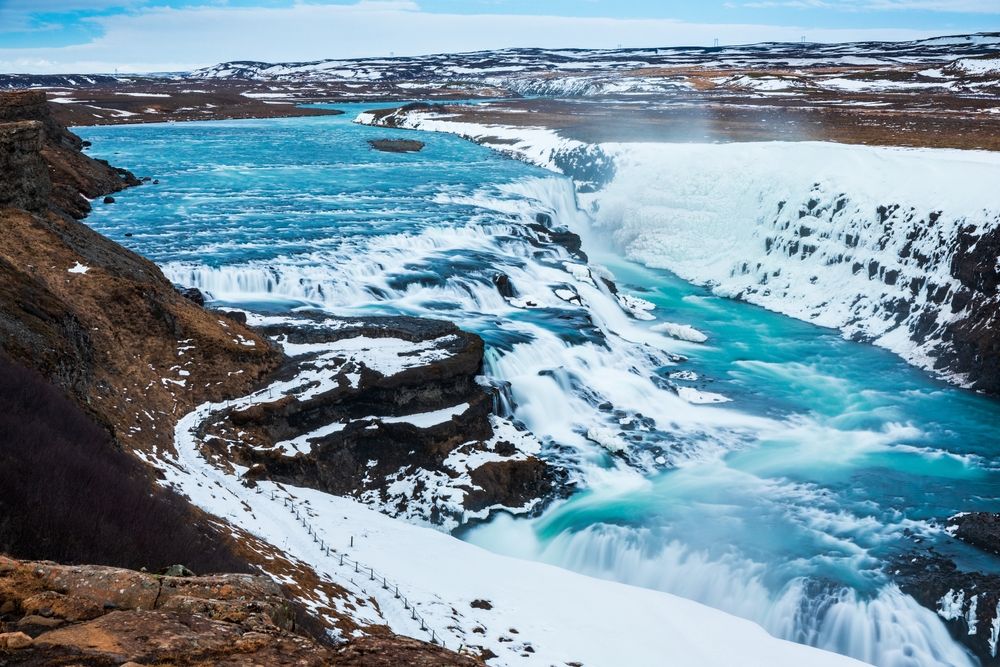
Gullfoss in winter is jaw-dropping. Iceland's most famous waterfall partially freezes, with massive icicles forming along the canyon walls while the central cascade still thunders through.
The contrast of blue ice, white snow, and the dark water creates an almost otherworldly scene. The lower viewing platform may be closed when icy, but the upper path usually remains accessible and offers a spectacular panorama.
Snow-Covered Þingvellir
Þingvellir National Park transforms under a blanket of snow. The Almannagjá gorge, dramatic in any season, becomes even more atmospheric with ice formations along its walls and frost on the ancient lava.
The continental rift between North America and Eurasia feels especially primordial in winter. If you're lucky, the low winter sun creates golden light across the snow-covered lava fields.
Geysir in the Cold
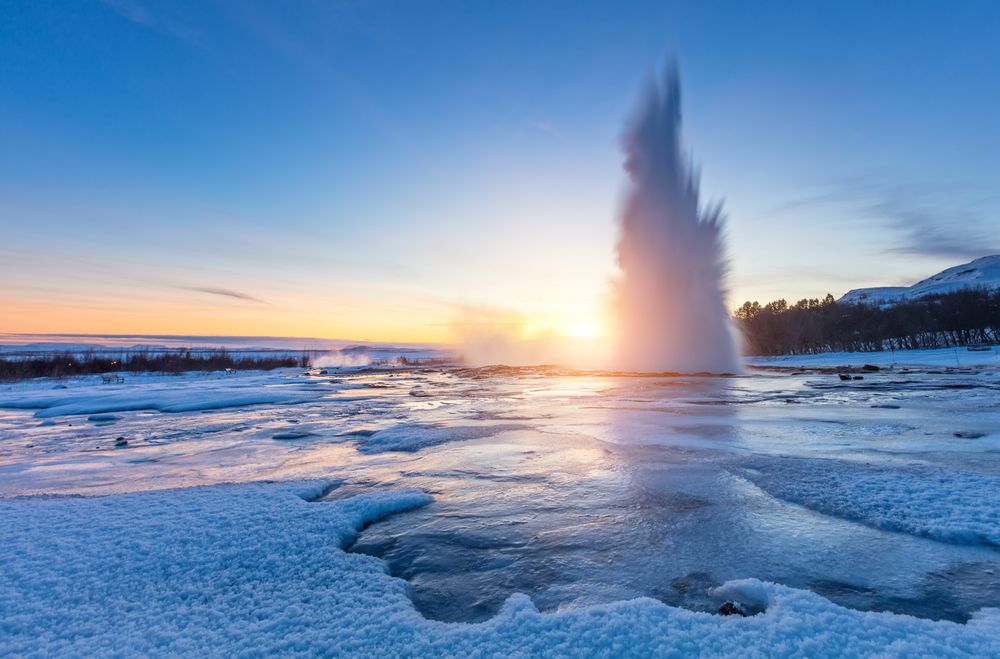
The Geysir Geothermal Area is arguably more impressive in winter than in summer. Strokkur's eruptions produce enormous clouds of steam in the cold air, making each eruption feel more dramatic. The surrounding hot springs steam intensely, and the contrast between the frozen ground and boiling water is mesmerizing. The visitor center provides a warm refuge between eruptions.
Northern Lights Along the Route
One of the greatest advantages of a winter Golden Circle tour is the opportunity to see the Northern Lights. The route takes you away from Reykjavík's light pollution, and the return drive in darkness provides excellent aurora-hunting conditions.
Many winter tours include Northern Lights watching as part of the itinerary, and our guides monitor aurora forecasts throughout the day to maximize your chances.
The best Northern Lights months are September through March, with peak activity typically around the equinoxes. Clear skies are essential — and Iceland's changeable weather means conditions can shift quickly in your favor.
Winter Driving Safety
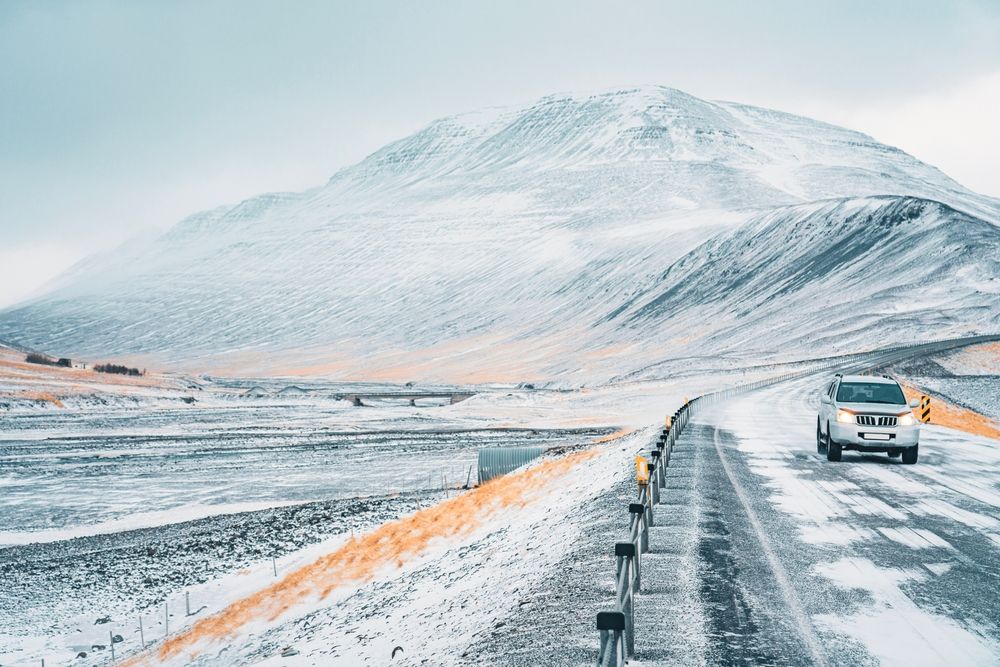
We strongly recommend joining a guided tour rather than self-driving the Golden Circle in winter. Iceland's winter roads present serious challenges: black ice, sudden whiteouts, strong crosswinds, and reduced visibility. Route 35 to Gullfoss is particularly exposed and can close without warning in heavy snow.
Our professional drivers navigate these roads daily and carry emergency equipment. They know when alternate routes are needed and how to adjust the itinerary for safety without sacrificing the experience. This peace of mind alone is worth the cost of a guided tour.
What to Wear
Dressing properly is critical for winter comfort. Use the three-layer system: a moisture-wicking merino base layer, an insulating fleece or down mid-layer, and a waterproof windproof outer shell. Waterproof hiking boots with good tread are essential — paths can be icy. Don't forget a warm hat covering your ears, insulated gloves (plus thin liners for phone use), a neck gaiter, and sunglasses for glare off snow.
Winter-Only Experiences
Silfra snorkeling in dry suits: Snorkeling between tectonic plates continues year-round, and winter's low-angle light creates unique underwater colors.
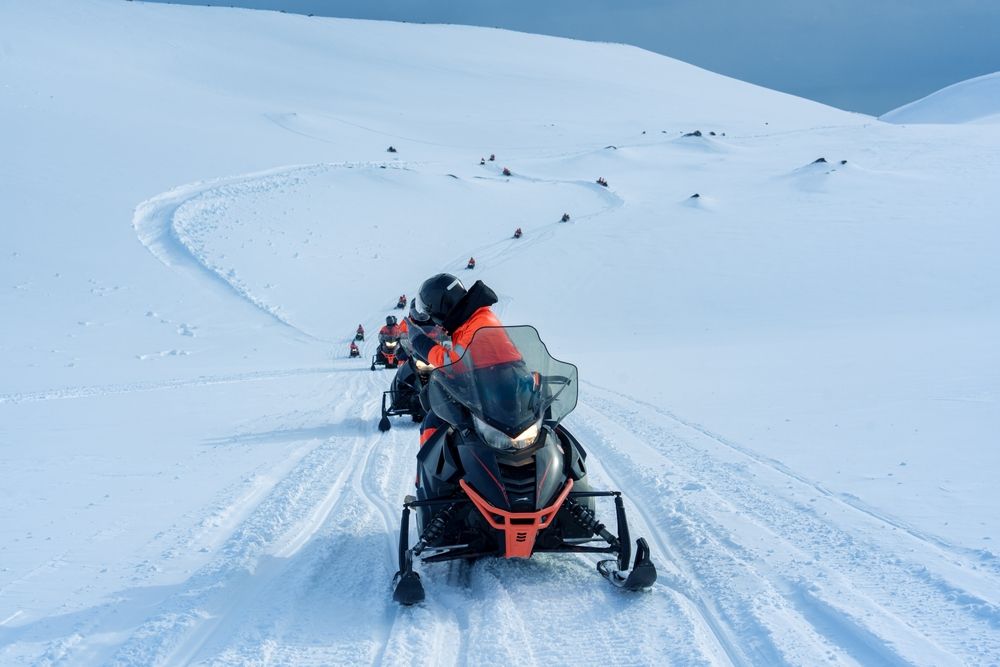
Snowmobiling on Langjökull: Some combo tours pair the Golden Circle with a snowmobile ride on Iceland's second-largest glacier.
Secret Lagoon in the dark: Soaking in the warm geothermal water while snow falls around you — and possibly with Northern Lights overhead — is pure magic.
The Golden Circle in winter isn't just a consolation prize for missing summer — it's a completely different and equally magnificent experience. The drama of frozen landscapes, the thrill of northern lights, and the intimacy of fewer crowds make winter our guides' favorite season on the route.
Compare Golden Circle Tours
Check each selected product for its current operator, guide, itinerary, meeting point, and terms.
View Our Tours

