Iceland is synonymous with geothermal bathing, and two names dominate the conversation: the Blue Lagoon and the Secret Lagoon. One is a global icon that draws over two million visitors a year; the other is a hidden gem beloved by locals and savvy travelers who have done their research. Both offer the quintessential Icelandic experience of soaking in naturally heated water surrounded by dramatic volcanic scenery — but the similarities largely end there.
This guide gives you an honest, detailed comparison based on years of experience bringing visitors to both locations. By the end, you will know exactly which geothermal pool is right for your Iceland trip.
The Secret Lagoon: Iceland's Oldest Swimming Pool
The Secret Lagoon (Icelandic: Gamla Laugin, meaning "the old pool") is located in the small village of Flúðir, about 90 minutes from Reykjavik and directly on the Golden Circle route. Established in 1891, it is the oldest swimming pool in Iceland — a fact that gives it a history and authenticity that no modern spa can replicate.
The pool itself is a natural hot spring, fed by geothermal activity and maintained at a constant 38–40°C (100–104°F). It is surrounded by smaller geysers and bubbling pools, and the steam rising from the water creates an otherworldly atmosphere, especially in winter when the contrast with the cold air is most dramatic. The facilities are simple — changing rooms, a small bar, and basic amenities — but that simplicity is part of the appeal.
The Secret Lagoon is where Icelanders actually swim. You will find locals here after work, families on weekends, and a steady stream of visitors who have discovered that the "secret" is out. Despite its growing popularity, it remains far less crowded than the Blue Lagoon and retains a genuine, community atmosphere.
The Blue Lagoon: Iceland's Most Famous Attraction
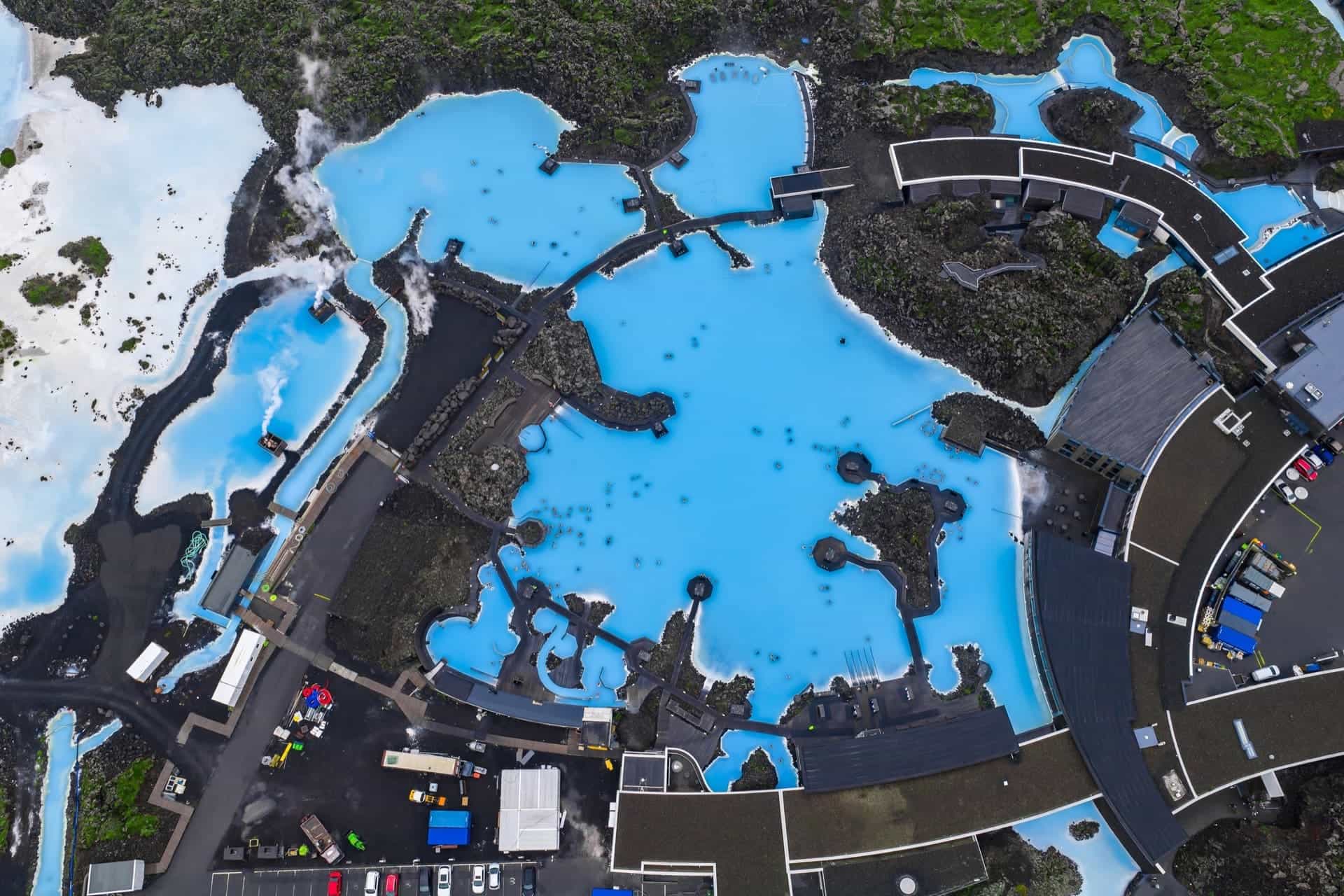
The Blue Lagoon is one of the most photographed places on earth — a vast, milky-blue pool set in a dramatic lava field on the Reykjanes Peninsula, about 50 minutes from Reykjavik and 20 minutes from Keflavik Airport. It opened to the public in 1987 and has since become synonymous with Iceland itself, appearing on the cover of countless travel magazines and Instagram feeds.
What many visitors do not know is that the Blue Lagoon is not a natural hot spring in the traditional sense. The water is geothermal wastewater from the nearby Svartsengi power plant, rich in silica, algae, and minerals that give it its famous milky-blue color and therapeutic properties. The lagoon was essentially discovered by accident when workers noticed that the runoff water was healing their skin conditions.
The Blue Lagoon experience is undeniably impressive. The facilities are world-class — a full spa, restaurant, bar, and shop — and the setting is genuinely dramatic. But it comes at a price, both financially (entry starts at €65 and premium packages exceed €120) and experientially (over two million visitors per year means it can feel crowded and impersonal).
Detailed Comparison
Secret Lagoon vs Blue Lagoon: Feature Comparison
| Feature | Secret Lagoon | Blue Lagoon |
|---|---|---|
| Entry Price | ★~€18–22 (ISK 3,000) | €65–€120+ (varies by package) |
| Crowd Level | ★Low to moderate | Very high (2M+ visitors/year) |
| Water Temperature | 38–40°C (100–104°F) | 37–39°C (99–102°F) |
| Atmosphere | Authentic, rustic, local | Luxury spa, modern |
| Location | Flúðir, Golden Circle route | Reykjanes Peninsula |
| Drive from Reykjavik | ~90 minutes | ★~50 minutes |
| Advance Booking | ★Recommended in summer | Essential — sells out weeks ahead |
| Facilities | Basic changing rooms, bar | ★Full spa, restaurant, shop |
| Natural Setting | Open-air, surrounded by geysers | Lava field, dramatic landscape |
| Silica Mud Mask | No | ★Yes (included in some packages) |
| Combines With | Golden Circle tour | Keflavik Airport, South Coast |
Secret Lagoon
✅ Pros
- +Much cheaper — typically €18–22 vs €65–120+ for the Blue Lagoon
- +Far fewer crowds — a genuinely relaxing experience
- +Authentic Icelandic atmosphere — locals actually swim here
- +Perfectly located on the Golden Circle route
- +Natural hot spring fed by geothermal activity
- +Surrounded by small geysers and bubbling pools
- +No advance booking required in most seasons
- +The oldest swimming pool in Iceland (est. 1891)
❌ Cons
- −More basic facilities — no spa treatments or restaurant
- −Smaller pool than the Blue Lagoon
- −Less Instagram-famous — fewer iconic photo opportunities
- −Limited on-site dining options
- −Further from Reykjavik and the airport
Blue Lagoon
✅ Pros
- +World-famous — a bucket-list Iceland experience
- +Stunning milky-blue water set in a dramatic lava field
- +Full spa facilities including silica mud masks and algae masks
- +On-site restaurant and bar
- +Convenient location near Keflavik Airport
- +Premium experience with high-end amenities
- +Iconic photography opportunities
❌ Cons
- −Very expensive — entry starts at €65, premium packages exceed €120
- −Extremely crowded — over 2 million visitors per year
- −Must book weeks in advance, especially in summer
- −The water is actually geothermal wastewater from a nearby power plant
- −The milky-blue color comes from silica, not natural mineral content
- −Can feel more like a theme park than a natural experience
- −Out of the way if you are doing the Golden Circle
The Atmosphere: What It Actually Feels Like
The atmosphere at the two lagoons could not be more different.
At the Secret Lagoon, you arrive to a small car park, pay your modest entry fee, and change in simple facilities. You step into the warm water and immediately feel the tension leave your body. Around you, small geysers bubble and steam. The air smells faintly of sulphur — the authentic scent of Iceland's geothermal activity. You might be sharing the pool with 30 other people, or 100 on a busy summer weekend, but it never feels overwhelming. In winter, if you are lucky, the Northern Lights appear overhead while you float in the warm water.
At the Blue Lagoon, the experience is more curated. You arrive, check in, collect your wristband and towel, and enter a world of milky-blue water, silica mud masks, and floating drinks. The setting is genuinely stunning — the lava field backdrop is dramatic, and the water glows an ethereal blue. But you are also sharing this experience with potentially 1,000 other visitors at the same time. The queue for the silica mud mask can be long, the changing rooms can be crowded, and the overall experience can feel more like a theme park than a natural wonder.
Which Should You Choose?
The answer depends on your priorities:
Choose the Secret Lagoon if you are doing the Golden Circle, want an authentic and affordable geothermal experience, prefer fewer crowds, or want to soak where Icelanders actually swim.
Choose the Blue Lagoon if the iconic experience is on your bucket list, you are arriving or departing via Keflavik Airport, you want full spa facilities, or you are happy to pay a premium for the world-famous setting.
Many visitors to Iceland do both — the Secret Lagoon on their Golden Circle day and the Blue Lagoon on their arrival or departure day. If your schedule allows, this is the ideal approach.
Combining with the Golden Circle
The Secret Lagoon's location in Flúðir makes it a natural addition to any Golden Circle tour. It sits between Geysir and Gullfoss on the route, and most visitors find that a 90-minute soak is the perfect way to relax after a morning of sightseeing. Our Golden Circle + Secret Lagoon tour combines both in a single, seamlessly organized day.
The Blue Lagoon, by contrast, is in the opposite direction from the Golden Circle. Combining both in a single day is possible but makes for a very long and tiring experience. Most travelers choose one or the other for each day of their trip.
⚖️ Our Verdict
For Golden Circle visitors, the Secret Lagoon is the clear winner.
The Secret Lagoon offers a more authentic, affordable, and relaxed geothermal experience that pairs perfectly with the Golden Circle route. The Blue Lagoon is worth visiting for its iconic status, but save it for your arrival or departure day rather than combining it with the Golden Circle. If budget allows, consider doing both.
Book Golden Circle + Secret Lagoon Tour