
If you're heading to Iceland, renting a car offers the freedom to explore the island's breathtaking landscapes on your own terms. You'll have the flexibility to visit remote areas often missed on guided tours, crafting an itinerary that suits your interests and timeline.
However, driving in Iceland presents unique challenges, from rapidly changing weather to unfamiliar road conditions. This guide will provide essential tips for navigating the roads confidently during your Icelandic adventure, helping you stay safe and enjoy the journey.
The Three Golden Rules of Driving in Iceland
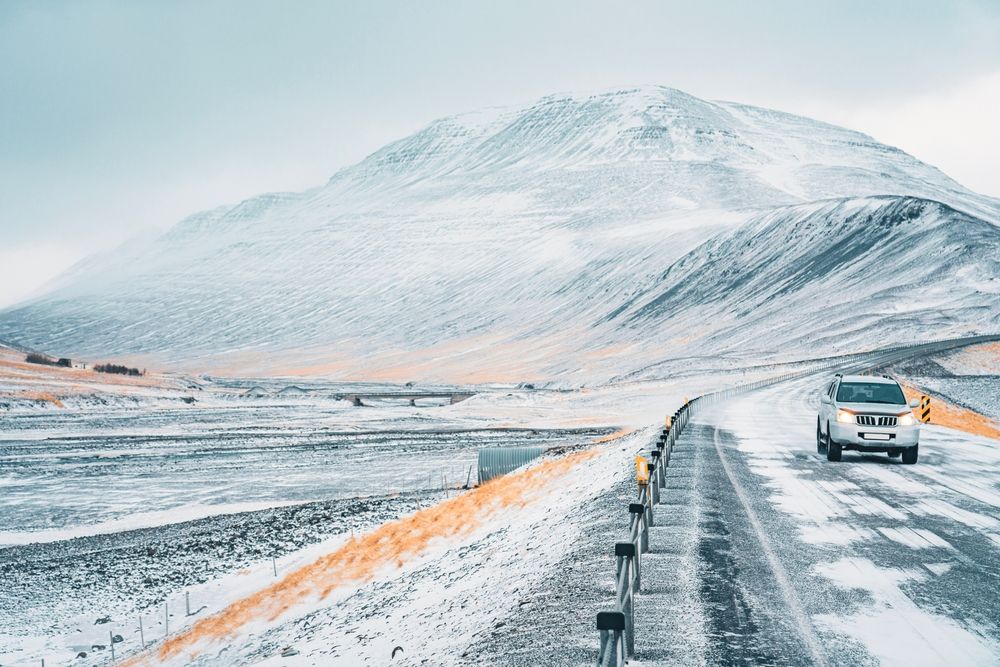
Here are three essential rules for driving in Iceland. The country's open roads and expansive landscapes can make you feel like a race car driver, but staying safe and avoiding reckless driving is essential. Here are the three rules:
Avoid Stopping Randomly Along the Road
Yes, Iceland is home to stunning natural attractions, many conveniently located near parking areas. However, while beautiful, the rest of the countryside can be overwhelming for first-time visitors.
Some people feel the urge to pull over on the side of the road to snap a quick photo of the incredible views or a perfect sunset. Unfortunately, this can be dangerous for other drivers.
Resisting the temptation to stop suddenly is essential to ensure a safe road trip. Instead, wait until you reach one of the designated pull-offs or lay-bys spaced every 1000 meters.
Taking a few extra minutes to find a safe spot ensures everyone can enjoy the road and the scenery safely.
Use Winter Tires in Cold Seasons
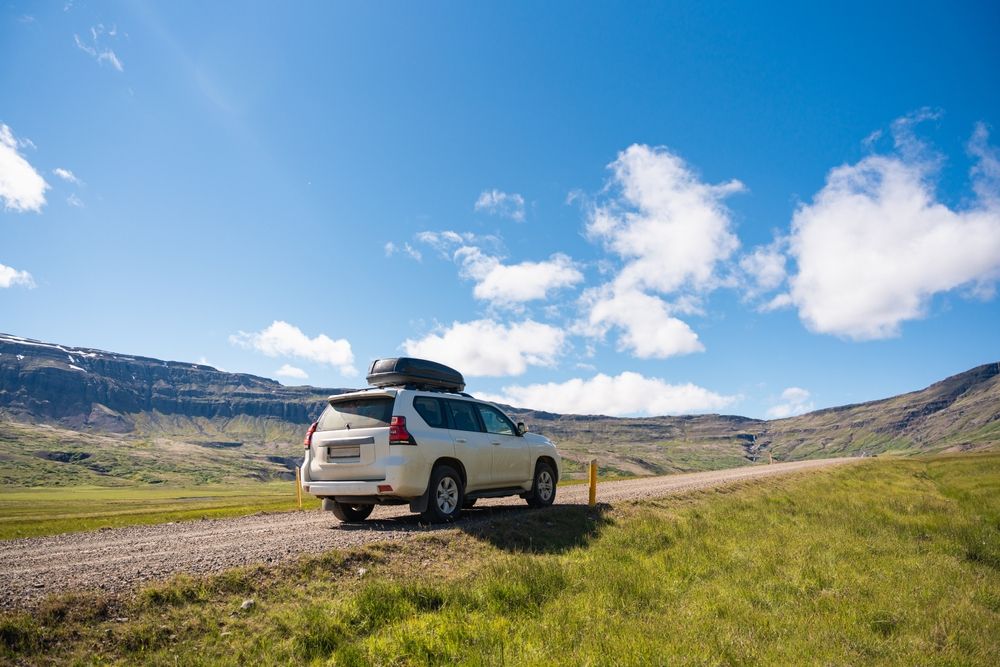
Using winter tires is crucial when driving on Iceland's icy roads during the colder months. While it may seem obvious, it's worth repeating: rain, snow, sleet, and ice can significantly reduce the grip your tires have on the road.
This makes braking less effective, increases the danger of speeding, and raises the risk of accidents. Winter tires are specifically designed for these conditions.
They are made with extra rubber and silica to provide better traction than regular summer tires. By gripping the icy surface more effectively, they help reduce the risks.
If you're renting a car, the rental car companies will ensure your vehicle is equipped with the right tires based on the season and your travel plans so you can stay safe while exploring Iceland's stunning but unpredictable roads.
Drive with Patience and Caution
Sometimes, when we're driving, feelings like impatience or frustration can creep in. It could be from the nervousness of driving at high speeds or dealing with other drivers who may be rude or reckless.
Often, a little voice reminds us, "Be careful, don't make a mistake." This can be helpful, as it keeps us alert and makes us feel a bit tense. While some drivers seem overly relaxed, the key is to stay aware, keep calm, and remain in control of the car to reduce the chances of accidents.
Take a deep breath, stay focused, and be one with the car. Before you hit the road, it's always a good idea to check out the valuable safety tips shared by Icelandic authorities.
They offer great advice that can help you drive more safely and confidently.
Driving in Iceland: What You Need to Know
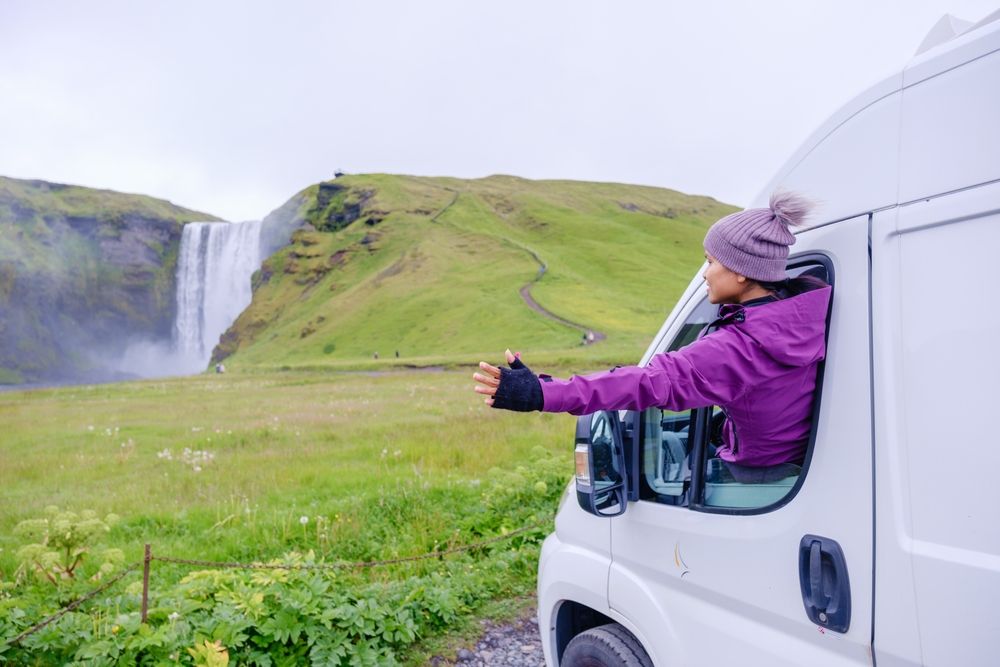
In Iceland, many roads, especially those in mountainous areas or the interior, are gravel. Some national highways are gravel, although sections are paved with asphalt.
Gravel roads can be tricky, as the surface is often loose, particularly at the edges. When driving on these roads, it's essential to slow down, especially when another car is coming your way.
Mountain roads tend to be narrow, making them unsuitable for speeding. Many bridges are one-lane, allowing only one vehicle to cross at a time.
Additionally, mountain roads are often winding, so trips can take longer than expected. Plan to give yourself plenty of time.
The speed limits in Iceland are generally 50 km/h in towns and cities, 80 km/h on gravel roads in rural areas, and 90 km/h on asphalt roads. Watch for warning signs indicating hazards like sharp turns, but don't expect specific speed limit reduction signs — constantly adjust your speed based on the road conditions.
Drivers are required to keep their headlights on at all times, regardless of the time of day. Off-road driving is strictly prohibited, and all passengers must wear seat belts in front or back. Finally, driving under the influence of alcohol is illegal in Iceland.
Vehicle Insurance Guidelines
Car insurance is required if you're driving your own car in Iceland. You'll need a Green Card or proof of third-party insurance unless you're from one of these countries:If you don't have a Green Card or similar proof, you must buy third-party insurance when you arrive in Iceland.
Fueling Stations: What You Need to Know
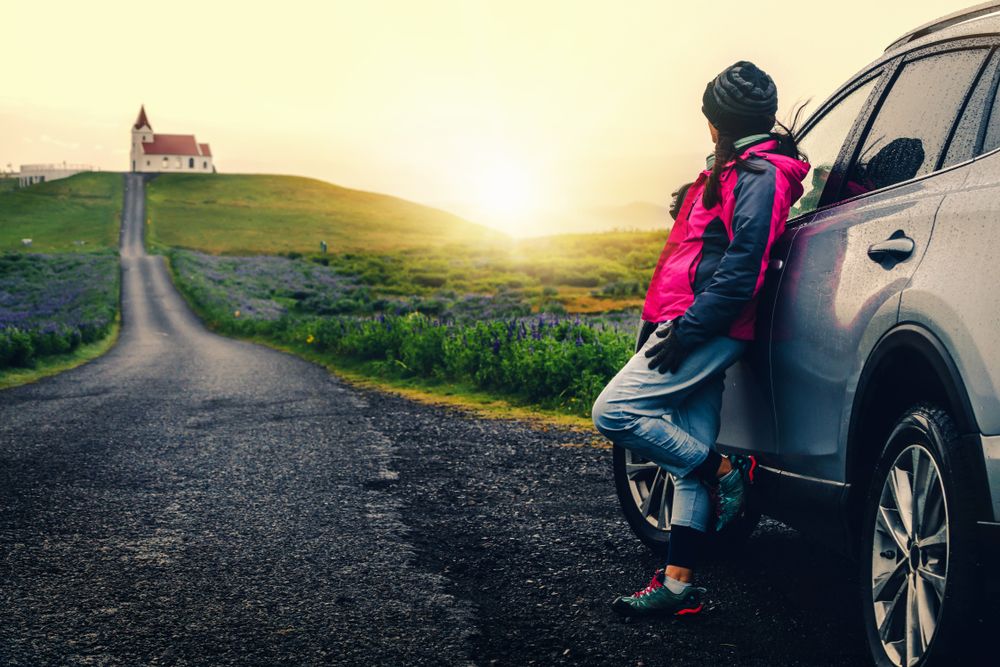
Gas stations in the Reykjavík area are usually open Monday through Saturday from 7:30 AM to 8:00 PM and Sundays from 9:00 AM to 8:00 PM. Between October and May, they open later on Sundays, from 10:00 AM to 8:00 PM. Some stations stay open until 11:30 PM.
Outside Reykjavík, gas station hours vary, as many are privately owned. Most stay open until 10:00 PM, with some open as late as 11:30 PM.
After closing, many stations in Reykjavík have self-service machines that accept 1000 krónur notes and credit and debit cards. These machines are also found in other parts of the country. In Iceland, the available fuel types are 92 regular unleaded, 98 premium leaded, and 95 premium unleaded.
Navigating Roads to the Highlands
Many mountain roads remain closed until early July, or even longer because the wet and muddy conditions make them impossible to drive through. Once these roads are open, most require a four-wheel-drive vehicle to navigate safely.
For added safety, traveling with at least one other car is highly recommended. Before setting out into the interior, gather all the information you can about the current road conditions.
You can get updates from travel agencies and tourist information centers or by calling the Icelandic Road Administration (ICERA) at +522 1000 or 1777. Be sure to take a detailed map with you on your trip.
Alternative Transportation Options
Traveling around Iceland is much easier in the summer, but winter can pose challenges due to snow and ice. During the colder months, domestic airlines are often the most reliable option for getting around, as many roads become impassable.
In the summer, daily flights connect Reykjavík to most major cities. While Iceland doesn't have any railways and its highway system is less developed compared to other European countries, long-distance buses, organized by Bifreiðastöð Íslands (BSÍ), provide good coverage across the country with a well-structured network.
Ferries also operate between various ports, and Iceland car rental companies are widely available in most large towns. Although Iceland's rough terrain, unsurfaced roads, and unpredictable weather aren't ideal for cycling, more visitors are trying it out. Bikes can be rented from urban centers, hotels, hostels, and guesthouses.
Municipal buses and taxis are available for local transportation, and taxis can also be hired for sightseeing trips. Car rental agencies are another excellent option for exploring the country at your own pace, especially in summer.
Final Thoughts
Driving in Iceland is an incredible way to experience the country's stunning landscapes, but the challenging road conditions and unpredictable weather require careful attention. By following essential safety tips—such as staying on marked roads and driving responsibly—you can protect both yourself and Iceland's delicate environment.
For a worry-free adventure, consider taking a Golden Circle Tour, where you can explore iconic sites like Þingvellir National Park, Gullfoss Waterfall, and Geysir with expert guides, ensuring a safe and enjoyable experience. Book your tour today to fully embrace Iceland's beauty with ease!
Compare Golden Circle Tours
Check each selected product for its current operator, guide, itinerary, meeting point, and terms.
View Our Tours

