
Night driving in Iceland is common, often unavoidable, and perfectly manageable when you know what to expect. In winter, darkness covers most of the day. In autumn and spring, you will drive in darkness by default on any evening return. And for many visitors, night drives are the point: the Golden Circle return, the Northern Lights hunt on Route 36, the late arrival after a long day on the South Coast.
What makes Icelandic night driving different from most countries is the combination of almost no street lighting outside towns, wildlife on the road, sudden road surface changes, and weather that can deteriorate within an hour. None of these are unmanageable. All of them require knowing about them in advance.
Iceland Is Very Dark at Night
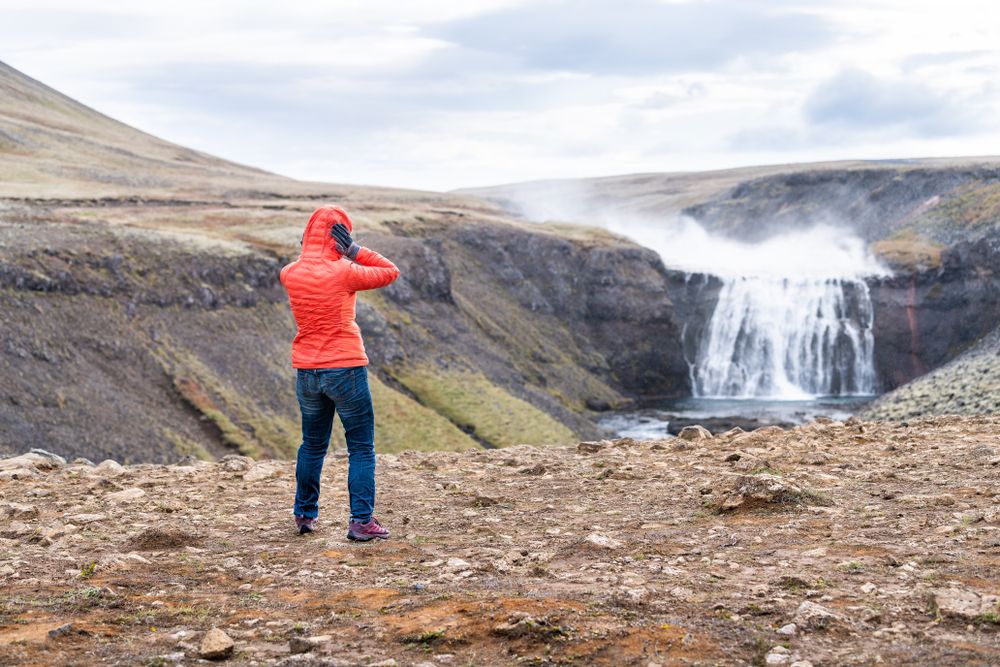
This surprises almost every first-time visitor. Even the Ring Road has minimal street lighting outside of towns. In rural areas and on highland routes, you are driving entirely on your own headlights. There are no ambient lights from houses or other roads. On overcast nights, the darkness is complete.
Use your full headlights on unlit roads. Do not rely on daytime running lights alone. High beams are appropriate on open rural roads when no oncoming traffic is present. Switch back to dipped beams well in advance of approaching vehicles.
Headlights are legally required at all times in Iceland, day and night, year round. This applies even in the June midnight sun.
Animals on the Road at Night
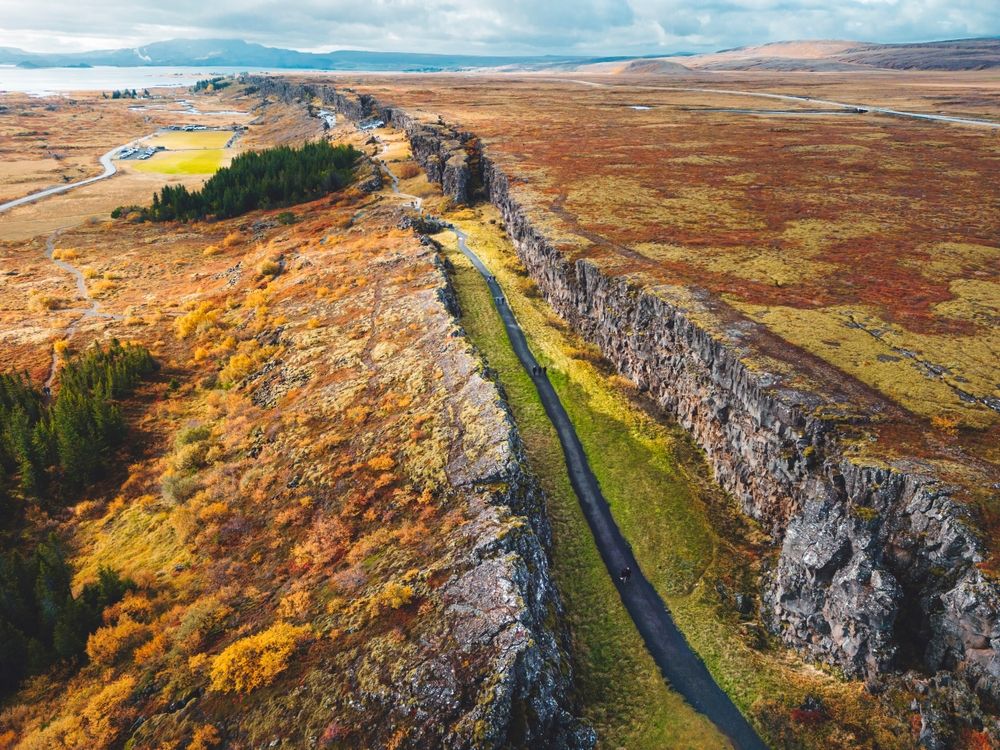
Sheep are Iceland's most common road hazard at any hour, but at night they become significantly more dangerous. In summer, sheep often sleep on the warm tarmac of rural roads after dark. Their wool is not reflective. They do not move for approaching headlights. You can be on top of a sheep before it registers in your vision at speed.
The standard rule for sheep in daylight applies with more urgency at night: if you see a sheep on one side of the road and a lamb on the other, assume the lamb will bolt across when your car approaches. Slow down well in advance of any sheep sighting and do not accelerate again until the road is completely clear in both directions.
In East Iceland, reindeer present a more serious hazard at night. They are large, dark animals that blend into roadside vegetation. Hitting a reindeer can cause severe vehicle damage and serious injury. Reduce speed after dark in East Iceland and use high beams on open stretches.
Icelandic horses occasionally appear on roads in farming areas. The same principle applies: slow down, wait, do not honk.
Road Surface Changes in the Dark
Iceland's roads change between paved tarmac and gravel without much warning. On major routes including the Ring Road, these transitions are signposted, but at night the signs appear later in your headlights than they would in daylight and you cover more ground before reacting.
The transition from tarmac to gravel is a significant cause of accidents. Drivers who do not slow down in time lose traction on the loose gravel surface. At speed this can mean a swerve off the road.
When driving unfamiliar roads at night: slow down at any surface change, watch for the speed limit sign reducing from 90 km/h to 80 km/h which indicates a gravel section ahead, and give yourself more braking distance than you think you need.
Weather at Night
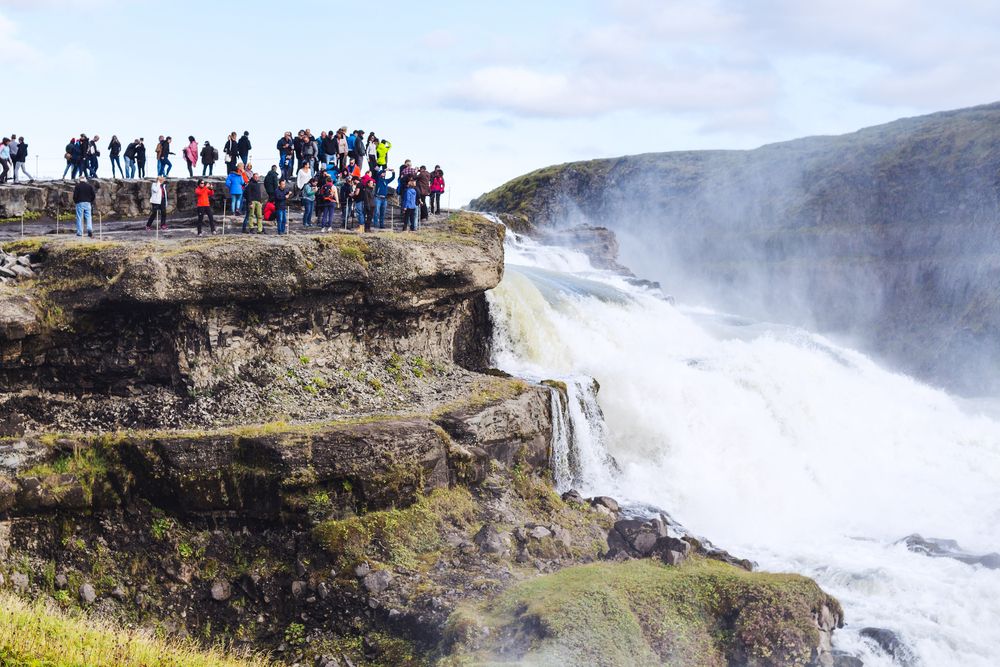
Iceland's weather is more dangerous at night simply because you see it less. A rain shower that makes the road slick, frost forming on a bridge surface, a crosswind building on an exposed coastal section: all of these arrive with less warning in the dark.
Check the weather forecast on the Veður app or vedur.is before any night drive. Pay attention to wind speed forecasts, not just precipitation. Crosswinds on Icelandic bridges and exposed coastal roads can push a vehicle sideways without warning at any time of year.
If the Icelandic Met Office issues a yellow, orange, or red weather warning, do not drive. These warnings are not precautionary. Iceland takes them seriously and roads are sometimes closed during severe alert levels.
Ice and Road Conditions After Dark
Ice forms on Icelandic roads overnight without warning, particularly on bridges and exposed sections. A road that was clear and wet at 8 PM can have patches of black ice by midnight. Temperature drops below zero happen quickly in autumn, winter, and spring.
Check road.is before driving and specifically before any late night journey. Roads that are green in the afternoon may have moved to yellow or orange by evening after temperature falls. Bridges freeze before road surfaces and should be approached with reduced speed at night in any season where temperatures are near or below zero.
If the road feels slippery and you are not expecting it, ease off the accelerator, do not brake hard, and bring the car down to a safe speed before doing anything else.
Fatigue on Night Drives
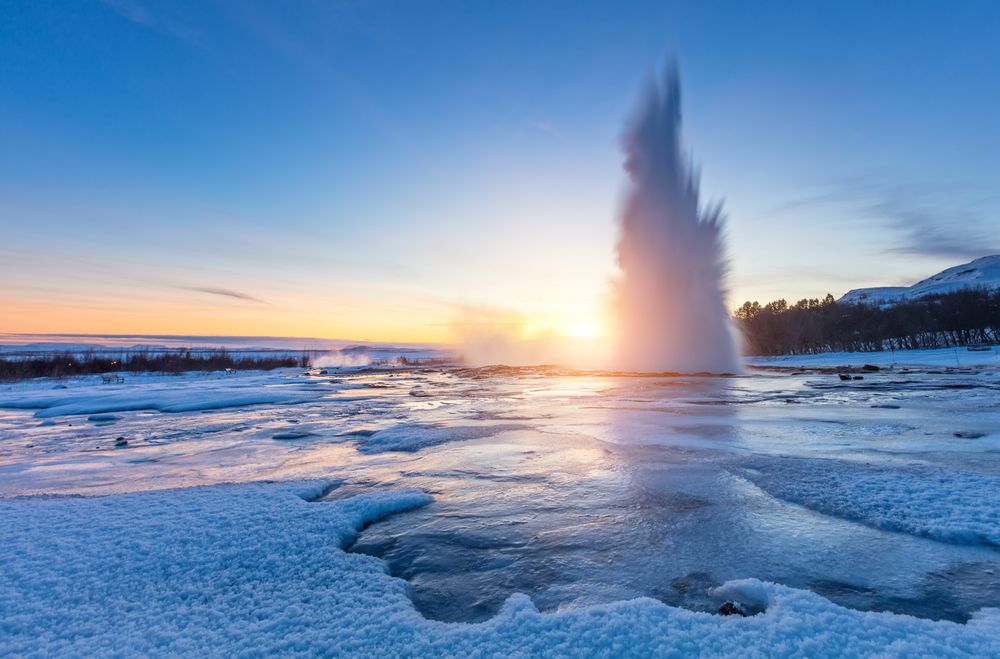
Long distances between destinations on the Ring Road and the monotony of driving through darkness create hypnotic conditions. There are no visual reference points on a rural Icelandic road at night. The rhythm of the road becomes constant and attention drops.
Take breaks every 90 minutes to two hours on night drives. If you feel the onset of drowsiness, pull over in a safe area with the car completely off the road, turn on hazard lights, and rest. Do not pull onto grass or gravel beside the road in darkness as this can mean driving onto soft or uneven ground that is not visible.
Do not drive to the airport the morning after a long night drive without sleeping first. Fatigue-related accidents among tourists are a known problem on Icelandic roads.
Northern Lights Driving at Night
The most common reason visitors drive at night in Iceland is Northern Lights hunting. This requires specific awareness.
Pulling over safely: When aurora appears or you want to check the sky, pull completely off the road onto a designated parking area or a wide, clearly visible gravel pullout. Do not stop on the road edge in darkness. Vehicles parked partially on the road at night are a serious hazard to other drivers. Turn on hazard lights any time you are stopped on or near a road.
Roadside pullouts on Route 36 between Reykjavik and Þingvellir are the most commonly used spots. Drive out until you are clear of Reykjavik's light dome, find a safe and visible pullout, and stop the car completely off the tarmac.
Do not look up at the sky while driving. Aurora appears quickly. The correct response is to pull over safely and then look up, not to crane your neck at the windscreen while moving.
Practical Night Driving Checklist
- Check road.is and vedur.is before departure
- Confirm headlights are fully operational before dark
- Use high beams on unlit roads, switch to dipped well before oncoming traffic
- Reduce speed on any unfamiliar road surface at night
- Plan fuel stops before dark if driving long distances. Rural stations are self-service 24/7 by card but gaps between them can exceed 100 km
- Keep your phone charged and the emergency number 112 saved
- Do not pull over on the road edge in darkness. Use designated pullouts only.
- Build extra time into any night drive. Do not drive to a strict schedule in unfamiliar territory after dark.
When to Avoid Driving at Night
Some conditions make night driving in Iceland genuinely inadvisable rather than just requiring caution.
Do not drive at night when the Met Office has issued an orange or red weather warning. Do not drive at night immediately after arriving in Iceland and before you have adjusted to the roads, traffic patterns, and any jet lag. Do not drive at night in conditions that have deteriorated beyond what your vehicle and your experience can manage. The correct decision is to stop somewhere safe and wait, not to push through.
Road closures in Iceland are signposted with the word "Lokað," meaning closed. A closed road is closed. Do not attempt to pass a closure.
Compare Golden Circle Tours
Check each selected product for its current operator, guide, itinerary, meeting point, and terms.
View Our Tours

