
What Currency Does Iceland Use?
The Icelandic króna, abbreviated ISK and written kr. Iceland is not in the eurozone and does not accept euros, dollars or pounds in shops.
Notes come in 500, 1,000, 2,000, 5,000 and 10,000 kr, and coins in 1, 5, 10, 50 and 100 kr. The 2,000 note is rare enough that many Icelanders have not seen one recently.
The Central Bank of Iceland publishes the official daily exchange rate, which is the reference every bank and card issuer works from.
Cash or Card?
Card, almost without exception. Iceland is among the most cashless countries in the world and many businesses no longer keep cash at all.
Cards work everywhere: restaurants, petrol pumps, car parks, buses, rural farm shops and public toilets. Visa and Mastercard dominate.
Contactless is standard, with a limit of 7,500 ISK per transaction. Above that you use chip and PIN.
Apple Pay and Google Pay are widely accepted, including at supermarkets, petrol stations and most tour operators.
Nearly every card payment uses chip and PIN rather than signature, so make sure you know your PIN before you travel.
Do You Need Any Cash at All?
Almost certainly not, and the exceptions are narrow.
A small number of rural honesty boxes at farm stalls take cash, though most now have a card reader or a bank transfer number.
Some very small guesthouses and campsites in remote areas prefer cash, and they are a shrinking group.
Church collection boxes and a few community facilities take coins.
If you want a reserve, 5,000 to 10,000 ISK covers every plausible situation on a normal trip. Many visitors carry none and never notice.
Do not exchange large amounts before you travel. You will end up carrying it home.
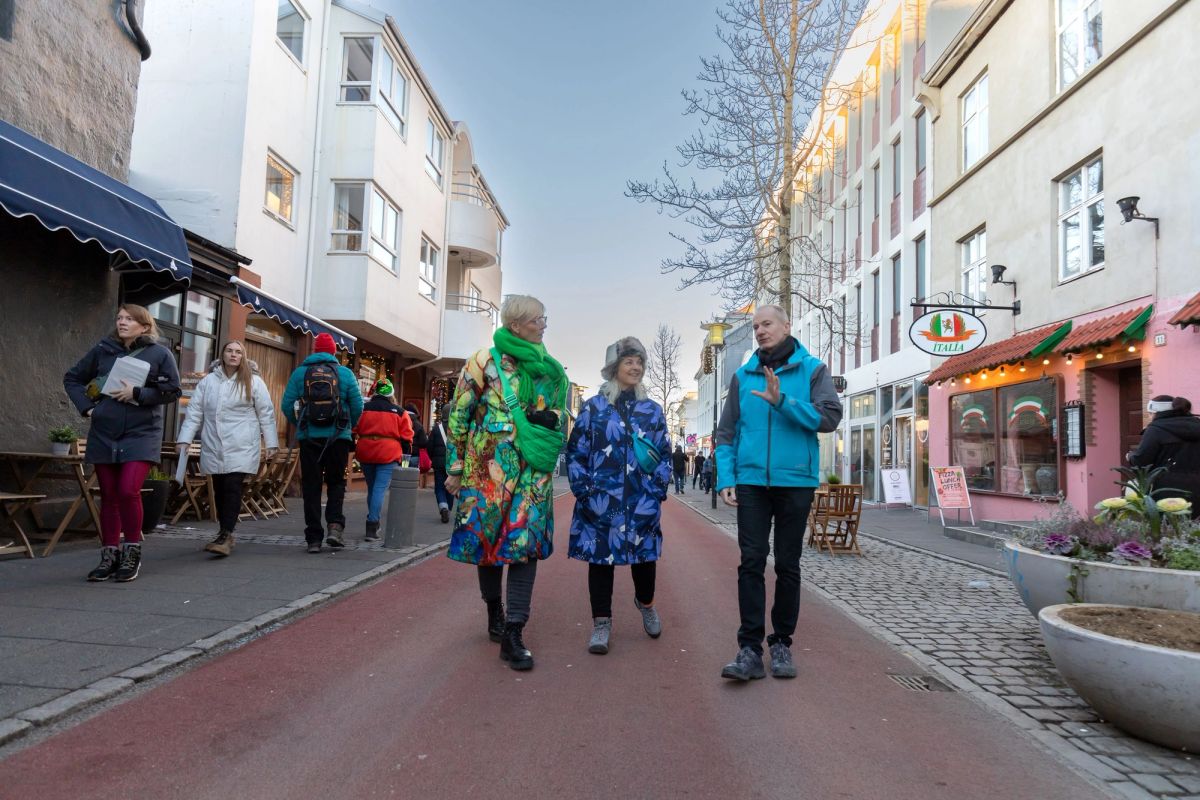
Contactless works up to 7,500 ISK per transaction, and chip and PIN handles everything above that.
Avoiding Unnecessary Fees
Four things that cost money quietly.
Always choose to pay in Icelandic krónur rather than your home currency when a card terminal offers the choice. Dynamic currency conversion is offered as a convenience and costs you a margin every time.
Check your card's foreign transaction fee before you travel. A travel card or a fee-free debit card saves a few per cent across a week.
Avoid airport exchange counters, which give the worst rates you will see anywhere in the country.
Use a credit card for hire car deposits, since most rental companies will not accept a debit card for the hold.
ATMs
Present, functional and rarely necessary.
Cash machines are called hraðbanki and are found at branches of Arion banki, Íslandsbanki and Landsbankinn, plus at the airport and larger supermarkets.
Foreign cards work without difficulty at all of them.
Outside towns they are sparse. The Golden Circle route has almost none between Selfoss and Reykholt, which matters only if you decided you needed cash for some reason.
Withdrawal fees depend on your own bank rather than the Icelandic one.
Payment Situations to Know
Six places where visitors wonder what to do.
Car parks at Þingvellir, Kerið and Brúarfoss all take cards or app payments. Þingvellir uses licence plate cameras rather than tickets, and our guide to Þingvellir parking explains the system.
Petrol pumps require a card with a PIN. Some unmanned pumps place a temporary hold of a fixed amount, which is released afterwards.
Buses in the capital area are paid through the Klappid app rather than to the driver, at 690 ISK a journey according to Strætó.
Drivers do not sell tickets and do not give change, which catches out most first-time users.
Lagoons and pools use a wristband linked to your card, so nothing needs carrying to the water. The Secret Lagoon and the larger lagoons all work the same way.
Restaurants and cafés on the Golden Circle route all take cards, including the farm stops and the visitor centres.
Vínbúðin, the state alcohol shops, take cards as normal.
Public toilets in some locations charge, and they take cards.
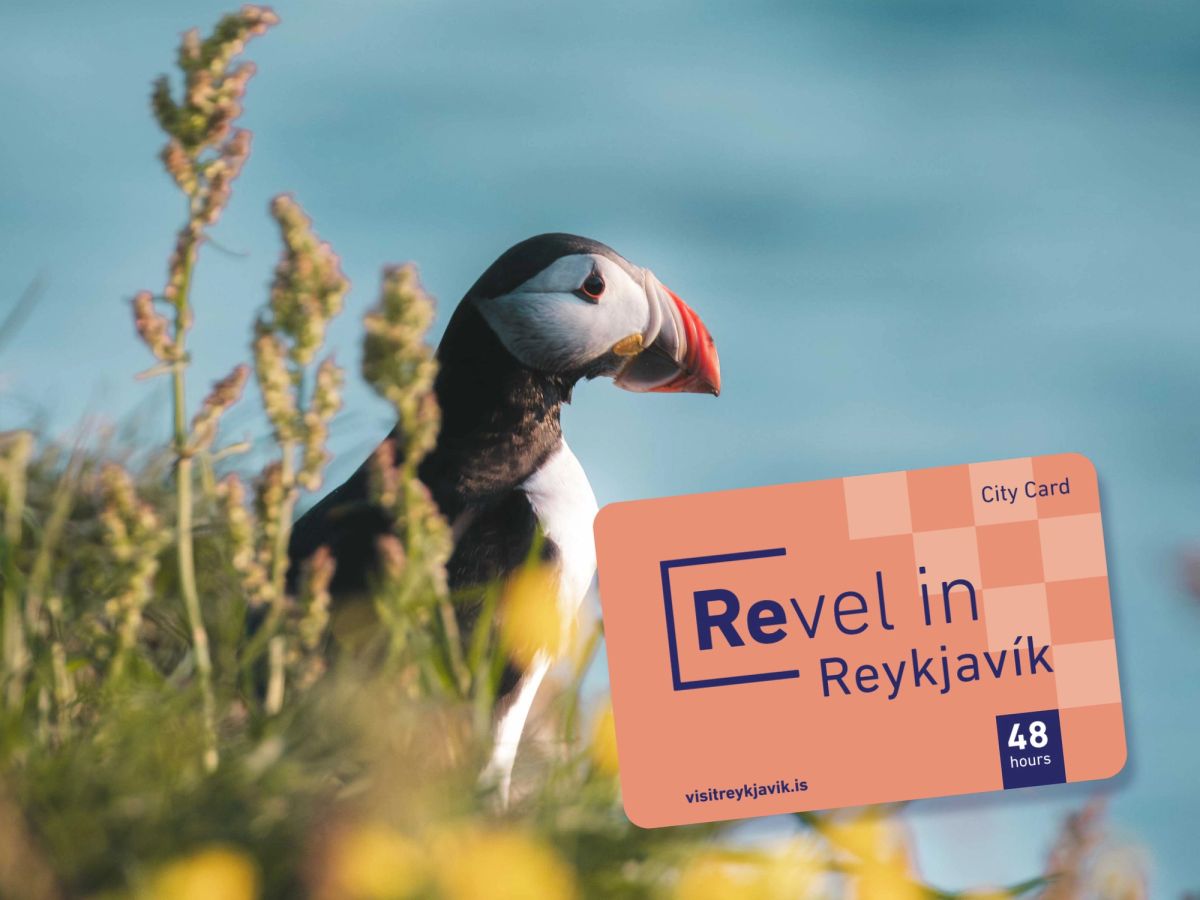
Reykjavík's City Card bundles museum entry and pool access onto one card, which is one of the few prepaid options worth it.
Tipping
Short and worth stating clearly.
There is no tipping culture in Iceland. Service is included and the price on the menu is what you pay.
Tips are not expected in restaurants, taxis, hotels or on tours. Leaving one is not offensive and it is not necessary.
Our guide to tipping in Iceland covers the situations where people still wonder.
Tax-Free Shopping
Relevant if you are buying anything substantial.
Visitors resident outside the EEA can reclaim VAT on purchases above a minimum threshold from a single shop.
Ask for the tax-free form at the point of purchase, keep the receipts, and claim at Keflavík Airport before checking in.
VAT is 24 per cent on most goods and 11 per cent on food, accommodation and some services, so the refund is meaningful on a large purchase.
Woollen goods are the most common thing visitors claim on.
Keflavík Airport publishes the current refund arrangements and where the desks are located.
How Much to Budget
Different question, and worth a sentence here.
Iceland is expensive, with a mid-range self-drive trip running 25,000 to 45,000 ISK per person per day excluding flights.
Petrol is around 300 ISK a litre, a Strætó journey is 690 ISK, and a Golden Circle day tour starts around 13,152 ISK.
Our guide to whether Iceland is expensive sets out the real numbers and the ways to bring them down.
Tap water is free and excellent everywhere, which is the easiest saving available.
Compare Golden Circle Tours
Check each selected product for its current operator, guide, itinerary, meeting point, and terms.
View Our Tours

