
Yes. It is among the most expensive countries in Europe, and the main costs are accommodation, restaurants, and alcohol rather than the sightseeing itself.
The good news is that the landscape is largely free. Þingvellir, Geysir, most waterfalls and every hiking trail cost nothing to enter, and parking is the only charge at several of the big sites.
A realistic figure for a mid-range self-drive trip is 25,000 to 45,000 ISK per person per day excluding flights. A careful budget trip runs 10,000 to 20,000 ISK, and comfort takes you above 50,000.
Why It Costs What It Does
Four reasons, and none of them is a tourist premium.
Almost everything is imported. Iceland has around 400,000 people on an island in the North Atlantic, and shipping costs land on every shelf price.
Wages are high and so is the cost of employing anyone, which shows up in every restaurant bill and every guided tour.
Alcohol carries heavy excise duty and is sold only through the state monopoly, Vínbúðin, or in licensed bars.
VAT sits at 24 per cent on most goods, with a reduced 11 per cent rate on food, accommodation and some services.
None of that is aimed at visitors. Icelanders pay the same prices, which is worth remembering when a coffee costs what it costs.
What Things Actually Cost
Real numbers, current at the time of writing, so you can build a budget rather than guess.
A Golden Circle day tour from Reykjavík starts around 13,152 ISK per person for a classic coach departure.
A small-group Golden Circle tour with Kerið and Friðheimar runs about 19,630 ISK.
Parking at Þingvellir is 1,000 ISK for a car with five seats or fewer according to Þingvellir National Park, covering all the park's fee car parks for the day.
Kerið crater charges 700 ISK per person, and it is the only entry fee on the standard loop.
The Secret Lagoon at Flúðir is 4,500 ISK for adults and 260 ISK for children aged 14 and under, according to the Secret Lagoon.
Sky Lagoon starts around 14,990 ISK for the standard pass and 18,990 for the private changing option.
A Strætó bus journey in the capital area is 690 ISK from 6 January 2026 according to Strætó, valid for 75 minutes.
Petrol runs around 300 ISK per litre, which is the number that surprises self-drivers most.
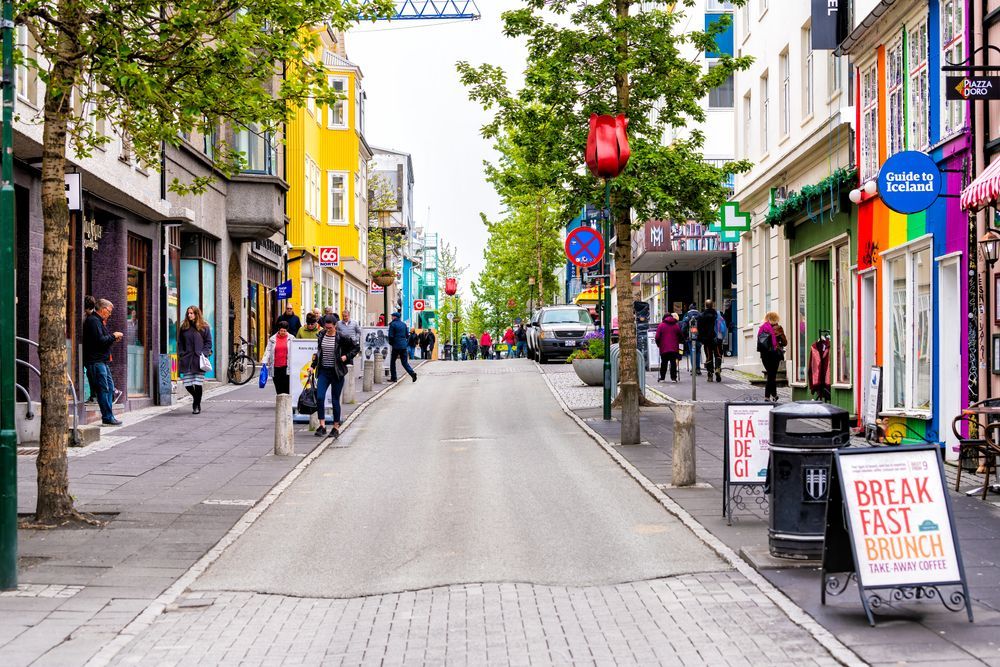
Restaurant meals and alcohol are where a budget goes, not the sightseeing.
Daily Budgets
Three tiers, and the gap between them is mostly accommodation and food.
A budget trip at 10,000 to 20,000 ISK a day means hostels or campsites, self-catering from supermarkets, a shared car and free sights.
A mid-range trip at 25,000 to 45,000 ISK a day means guesthouses or three-star hotels, one restaurant meal a day, a hire car and two or three paid activities across the week.
A comfortable trip above 50,000 ISK a day means hotels, restaurant meals, guided tours and lagoons rather than pools.
For a week, that works out at roughly 300,000 to 550,000 ISK per person for a mid-range self-drive trip excluding flights.
Two people sharing costs considerably less per head than one travelling alone, since the car and the room are the same price either way.
Where the Money Goes
Ranked by how much of your budget each takes.
Accommodation is the largest single line for most trips, and it is where booking early makes the biggest difference.
Food comes second. A restaurant main course in Reykjavík costs what a full meal costs in most of Europe.
Car hire and fuel come third for self-drivers, and this is the line that guided tours remove entirely.
Activities come fourth, and they vary enormously. A Golden Circle tour is a modest cost. A glacier snowmobile day is not.
Alcohol is the line that quietly doubles a restaurant bill, at prices that surprise visitors from every country.
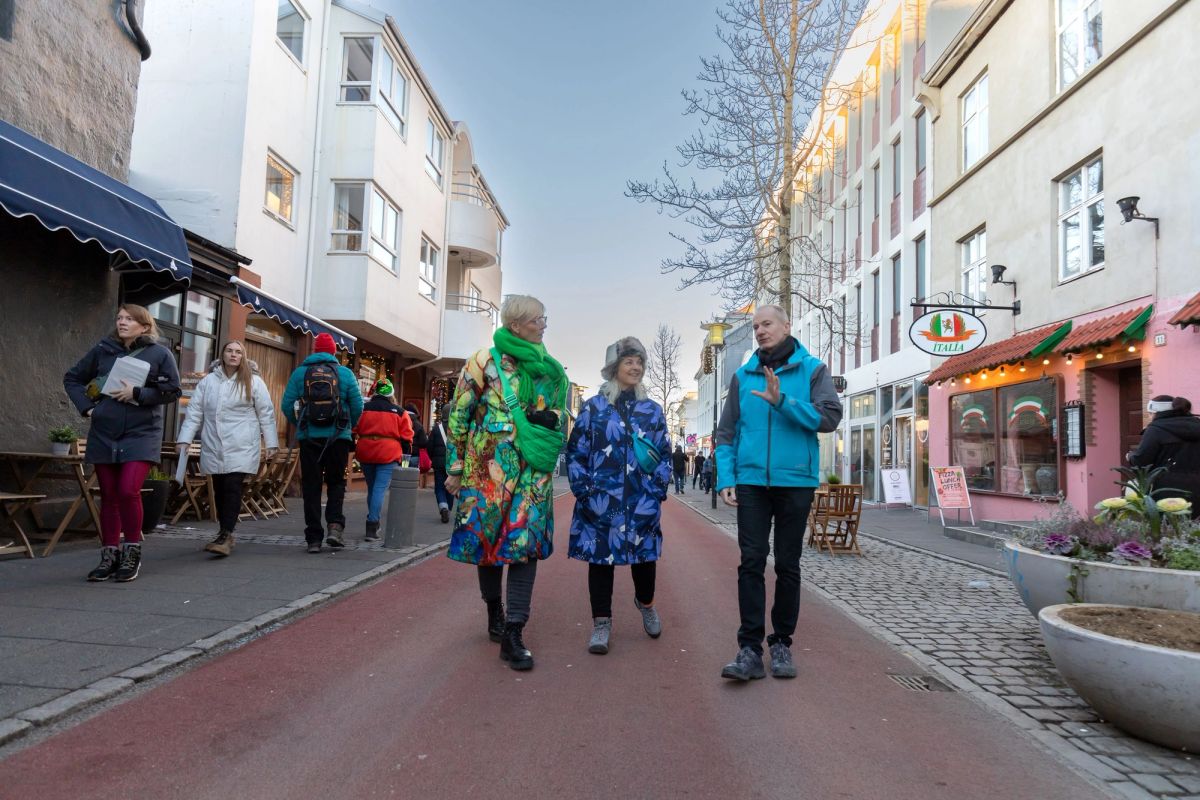
Supermarket self-catering is the single change that moves a budget most.
What Is Free
More than people expect, and it is the reason Iceland is affordable despite the prices.
Þingvellir National Park, Geysir and Gullfoss are all free to enter. Only parking is charged, and only at Þingvellir among the three.
Every waterfall on the standard routes is free, including Faxi, Öxarárfoss, Seljalandsfoss and Skógafoss.
Every hiking trail and coastal path is free.
Tap water is excellent, free everywhere, and buying bottled water in Iceland is a waste of money.
The northern lights are free, which is worth remembering before booking an expensive aurora package.
Harpa's lobby, Hallgrímskirkja's interior and the Reykjavík waterfront cost nothing.
Six Ways to Actually Save Money
Ranked by how much they move the number.
Travel in shoulder season. May, September, October and February cost meaningfully less than June to August for the same trip.
Self-cater some meals. Bónus and Krónan are the discount supermarkets, and a week of breakfasts and lunches from them saves more than any other single change.
Use the public swimming pools instead of the lagoons. A municipal pool costs a few hundred krónur against 4,500 for the Secret Lagoon or 14,990 for Sky Lagoon, and the water is the same geothermal water.
Buy alcohol at Vínbúðin rather than in bars, or at the duty free on arrival at Keflavík, which is where every Icelander does it.
Take a shared day tour rather than hiring a car for a single day out. Fuel at 300 ISK a litre plus the rental generally exceeds a coach seat for one or two people.
Refill a water bottle. It sounds trivial and it adds up across a week.
What Is Not Worth Cutting
Three things where saving money costs you the trip.
Waterproofs and boots. Being cold and wet at every viewpoint ruins days, and buying replacements in Reykjavík costs more than buying properly at home.
A hire car in winter, if you are not confident on ice. A guided day costs less than an insurance excess and considerably less than a recovery.
Booking ahead in summer. Last-minute accommodation in July is where budgets go to die.
Guided Tours or Self-Drive?
The comparison most visitors get wrong, and the answer depends on group size.
For one or two people, a shared day tour usually costs less than a hire car plus fuel plus parking for the same day.
For three or four sharing, a hire car wins on cost and gives you flexibility.
Winter changes it. Ice, wind and four hours of daylight make a guided day the sensible option regardless of the arithmetic.
Our classic Golden Circle tour includes the driving, the fuel and the park fee in one price, which is easier to budget against than a self-drive day.
The loop runs about 230 kilometres, which at 300 ISK a litre is a meaningful fuel cost on its own.
Our guide to what the Golden Circle covers sets out the route either way.
Practical Money Points
Five things that affect what you actually pay.
Iceland is close to cashless. Cards work everywhere, including car parks and rural petrol pumps, and carrying cash is unnecessary.
There is no tipping culture. Service is included and the menu price is the final price, which our guide to tipping in Iceland covers in detail.
Prices are quoted in Icelandic krónur, and paying in your home currency at a card terminal costs you the conversion margin.
Tax-free refunds are available on purchases above a threshold if you are leaving the EEA, claimed at the airport.
Our guide to currency, cash and cards in Iceland covers the payment side properly.
So Is It Worth It?
Yes, with the costs understood rather than discovered.
Iceland is expensive in the way Switzerland and Norway are expensive, and the landscape does not charge admission.
The trip that goes wrong financially is the one where nothing was budgeted and every meal was eaten out. The trip that works is the one where the sightseeing is free, the food is mixed, and the money goes on two or three things you actually wanted.
Pick your two paid experiences, self-cater the rest, and Iceland costs less than most people fear.
Budget the Sightseeing Properly
The landscape is free and getting to it is not, which is where a shared day out usually beats a hire car for one or two people. Our small-group Golden Circle tour with Kerið and Friðheimar includes the driving, the fuel and the crater entry in a single price. Tell us your dates and we will find you a departure.
Compare Golden Circle Tours
Check each selected product for its current operator, guide, itinerary, meeting point, and terms.
View Our Tours
