
The cheapest time to visit Iceland is September through May, when flight prices and accommodation rates drop well below summer highs, and tour costs follow the same pattern.
Within that window, April and May offer the best balance of savings and conditions: longer daylight and shoulder-season pricing without peak-summer crowds. This article breaks down costs by season, compares off-season and peak pricing across flights, hotels, and day tours, and covers practical tips for stretching your budget further.
Whether you are considering a winter trip for Northern Lights or a late-spring visit for the Midnight Sun, the best times to visit depend on what you want to see and how much you want to spend.
What Is the Best Month to Visit Iceland on a Budget?
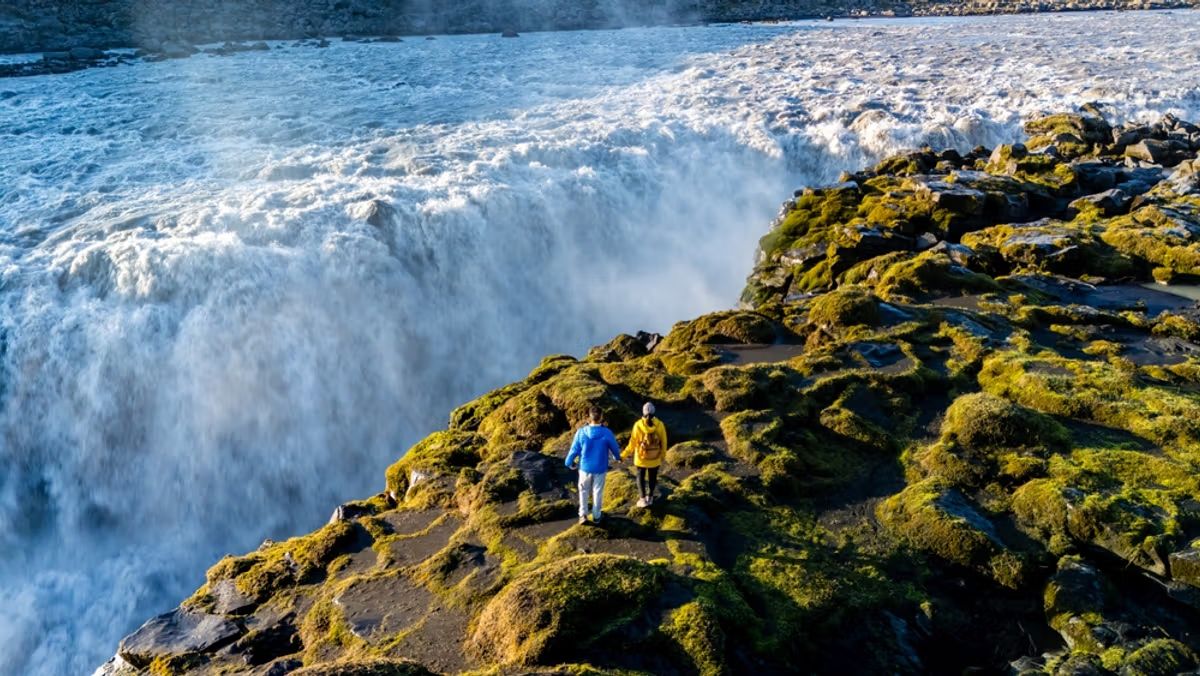
Iceland's travel costs follow three distinct seasonal tiers. Understanding which period you fall into is the single biggest factor in your trip budget.
Deep Off-Season (October Through March)
This is the cheapest window. Flights from the US are generally at their lowest during these months, and budget accommodation typically starts around $45 to $80 per night according to Trip.com.
Days are short (4 to 6 hours of daylight in December and January), temperatures hover around freezing, and some highland roads close. However, this is prime Northern Lights season, ice cave tours are running, and popular sites like the Golden Circle are nearly empty. If you can handle cold and limited daylight, you will save the most money during these months.
Shoulder Season (April, May, and September)
This period offers the best value-to-experience ratio. Flights are moderately priced compared to peak summer, and mid-range hotels typically run $130 to $220 per night according to Trip.com.
April gives you a final chance at the Northern Lights before they fade for the summer, while May brings 18 to 20 hours of daylight and warming temperatures. September combines autumn colors with diminishing crowds and the return of aurora activity. For most budget-conscious travelers, this is the sweet spot.
Peak Summer (June Through August)
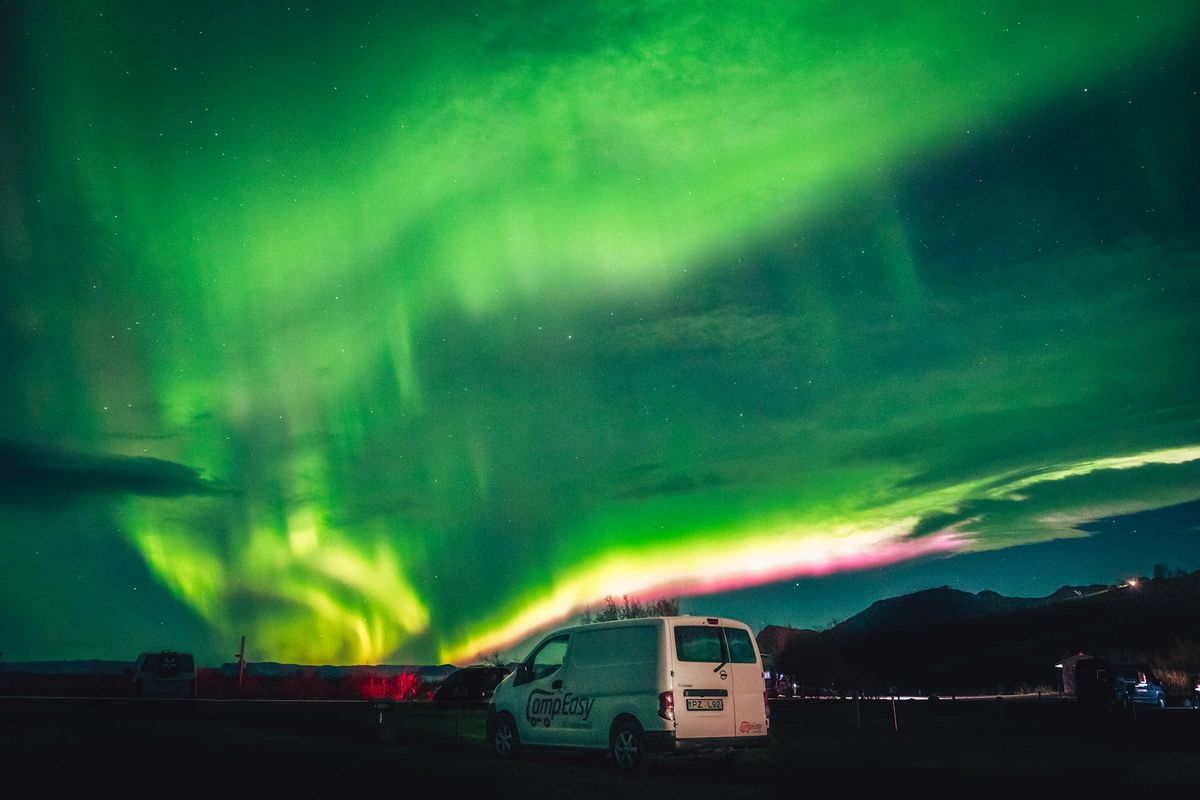
This is the most expensive period. Flight prices climb to their annual peak, and mid-range accommodation reaches $220 to $380 per night according to Trip.com. You get the best weather (10 to 15 degrees Celsius), the Midnight Sun, and full access to highland roads and hiking trails. But you pay a premium for it, and popular sites are crowded.
What to Expect in Spring (April and May)
Spring is where budget and experience overlap most for Iceland visitors. Prices sit in the shoulder-season range, daylight stretches to 16 to 20 hours by late May, and temperatures climb to 5 to 10 degrees Celsius. The landscape shifts rapidly: snow retreats from lowland areas, waterfalls run at full force from glacial melt, and the first wildflowers appear. Crowds are a fraction of what they become in June.
Early April is your last realistic window for witnessing the Northern Lights before skies become too bright. By late May, the Midnight Sun takes over, bathing the island in near-constant daylight that extends your exploring hours considerably. This dual-phenomenon window is unique to spring and unavailable in peak summer.
Wildlife returns in force during these months. Puffins arrive at coastal cliffs from April through August, with the Westman Islands, Dyrhólaey, and Látrabjarg offering the best viewing. Hiking trails in lower elevations open up, and the Golden Circle route is at its most photogenic. Spring tours cover the iconic stops, including the Geysir geothermal area and Gullfoss waterfall, along with Þingvellir National Park, all without the dense crowds of peak season.
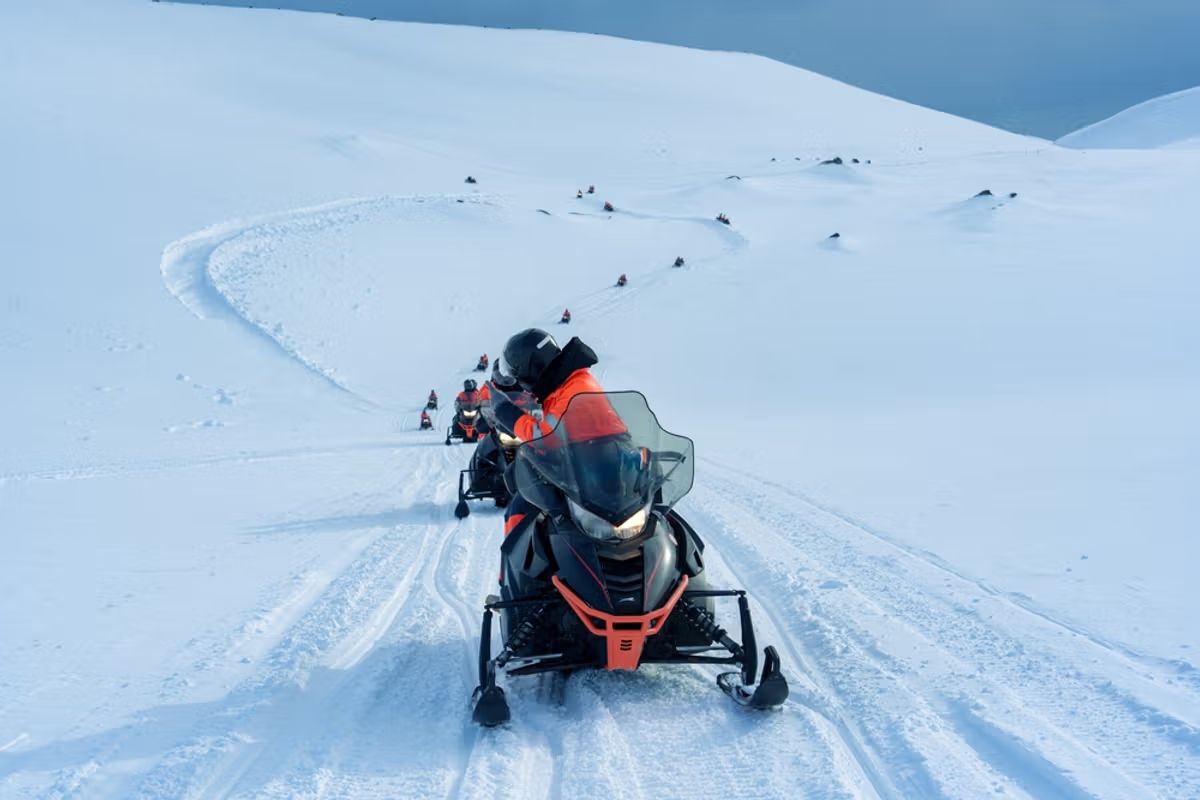
Adventure activities are still running at full capacity in the spring. Early-season visitors can experience snowmobiling on glacier while snow still blankets the highlands. at Silfra in Þingvellir National Park is available year-round, with visibility exceeding 100 meters in the glacial water.
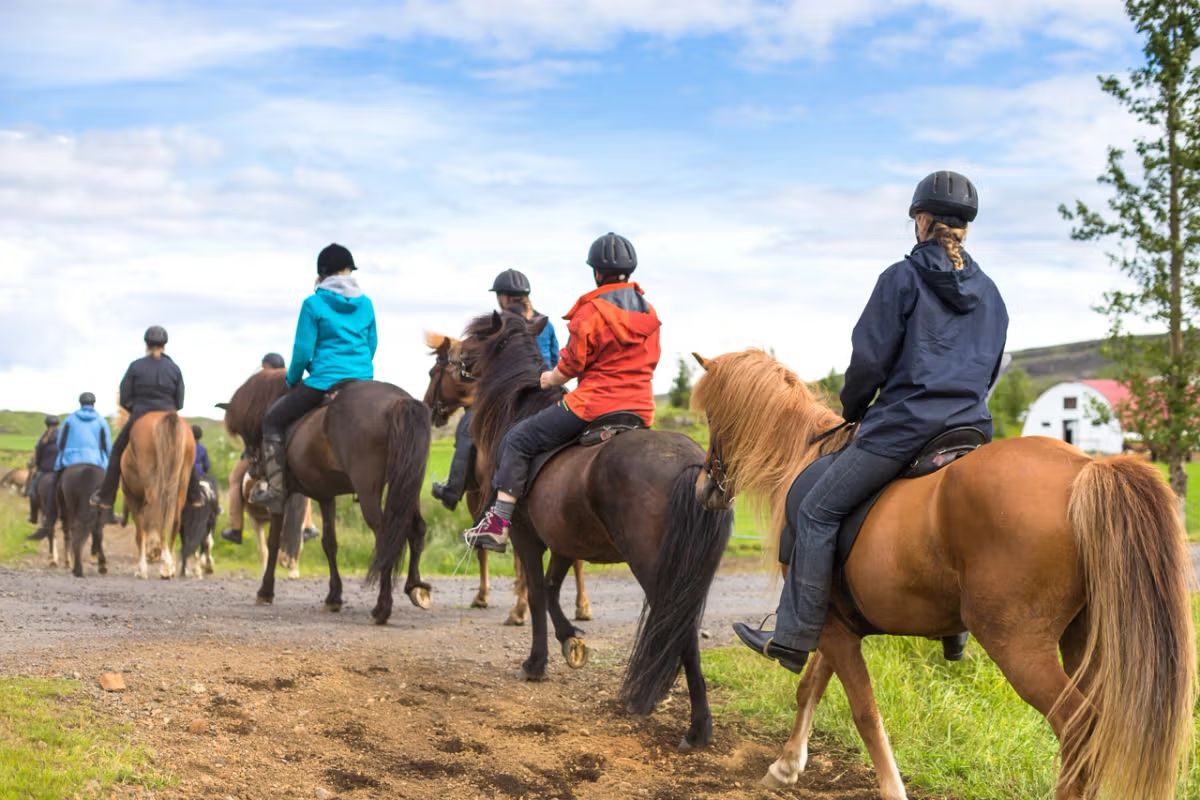
on Vatnajökull run through late spring, depending on conditions. Horseback riding across volcanic terrain is another option, offered for all experience levels throughout the spring months.
After a day of exploring, Iceland's natural hot springs offer a low-cost way to unwind. The Secret Lagoon in Flúðir and the naturally heated river in Reykjadalur Valley are affordable alternatives to the more expensive commercial spas, and both are accessible during the spring months at shoulder-season rates.
What to Expect in the Off-Season (September Through March)
The off-season covers six months with distinctly different conditions. Understanding what each sub-period looks like helps you pick the right window for your budget and tolerance for cold and darkness.
September Through November
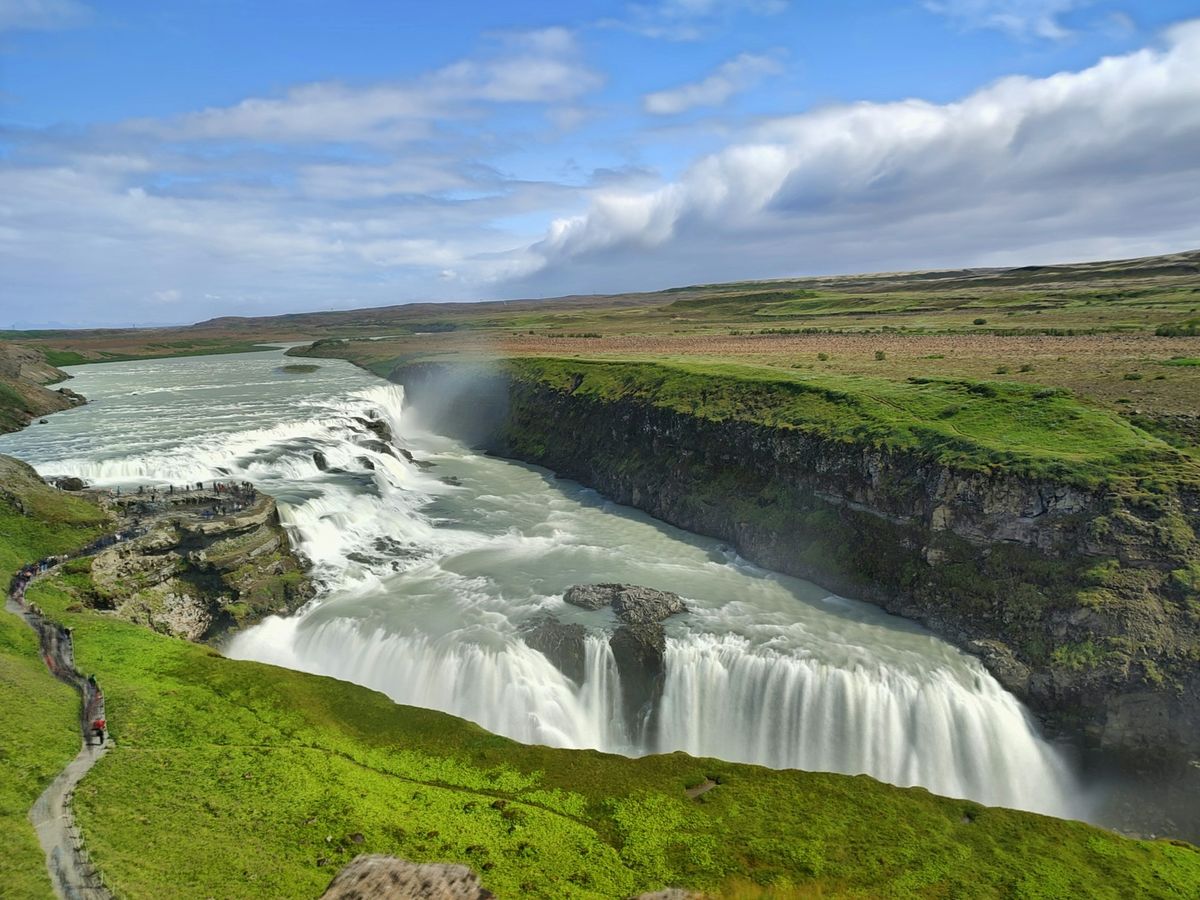
This period eases you into the off-season. September still has 12 to 14 hours of daylight, and temperatures sit around 5 to 10 degrees Celsius. Northern Lights season begins in earnest as skies darken.
Highland roads begin closing in October, but the Golden Circle and South Coast remain fully accessible. Hotel and flight prices drop noticeably from peak levels, and you will share popular stops with far fewer visitors. This period suits travelers who want a quieter Iceland with reasonable weather and the aurora as a bonus.
December Through February
This is the deepest and cheapest part of the off-season. Daylight shrinks to 4 to 6 hours, temperatures range from minus 5 to plus 2 degrees Celsius, and weather can shift quickly. This is when flights and accommodation hit their lowest prices. It is also peak season for Northern Lights viewing and ice cave tours inside Vatnajökull.
Snow activities become the main draw: the Snowmobiling and Golden Circle Super Jeep Tour combines the full Golden Circle with a one-hour guided snowmobile ride on Langjökull glacier, including all gear (thermal suit, helmet, gloves, balaclava) and hotel pickup, in a 10 to 11-hour day.
Winter visitors should expect to dress in layers and plan activities around limited daylight, but the reward is dramatic landscapes, empty roads, and the lowest prices of the year.
March
March marks the transition back toward spring. Days lengthen rapidly, reaching 12 hours of daylight by the spring equinox. Northern Lights are still visible, and aurora activity often increases around the equinox.
Roads begin improving, ice cave season winds down, and early wildflowers start appearing at lower elevations. Prices remain well below summer levels. March suits travelers who want winter pricing with noticeably more daylight than the deep winter months.
Travel Tips to Maximize Your Budget
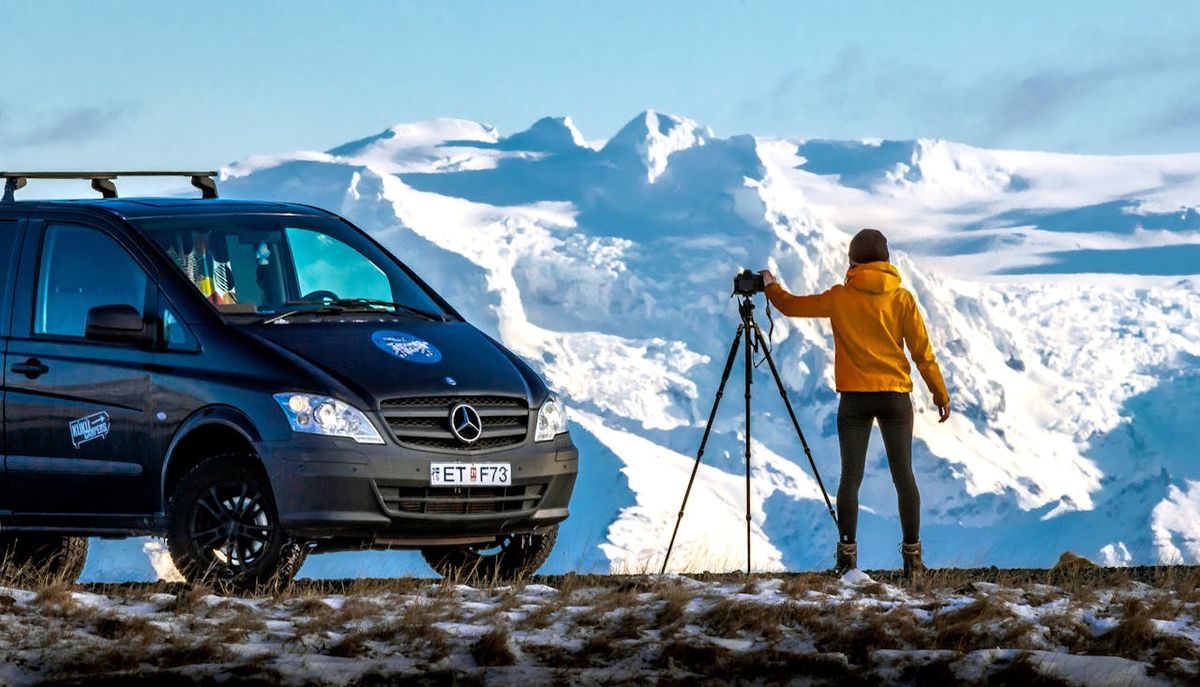
Your four biggest expense categories in Iceland are flights, accommodation, food, and tours or activities. Timing your visit to the off-season or shoulder season reduces all four. Beyond timing, these practical strategies can stretch your budget further.
Book in Advance
Plan and book your trip well in advance for the best deals on flights and accommodations. Use price comparison tools to find the most competitive options. Early bookings often lock in lower rates, and watching for special deals or flash sales can reduce costs significantly.
Take Advantage of Free Activities
Iceland is rich with natural attractions that cost nothing to visit. Hiking in Þingvellir National Park, walking along Reykjavik's harbor and city center, watching Strokkur erupt at Geysir, and soaking in free public hot pots are all zero-cost experiences. Most of Iceland's waterfalls and natural landmarks have no entry fee. Check for community events and festivals, which can offer free cultural experiences.
Shop Smart for Food
For groceries, head to Bonus or Kronan, Iceland's two main budget supermarket chains. Self-catering for breakfasts and packed lunches can cut your daily food costs substantially compared to eating every meal at restaurants. For souvenirs and local foods at lower prices, visit Kolaportid, Reykjavik's largest flea market.
Iceland's tap water is some of the cleanest in the world. Bring a reusable water bottle and refill it anywhere instead of buying bottled water. This small habit saves money every day.
Choose Day Tours Over Self-Drive for Short Trips
Iceland's public bus network is limited outside Reykjavik, which makes getting around independently more complicated than in most European countries. For budget-conscious travelers planning to see the Golden Circle, a guided Golden Circle day tour from Reykjavik is often more cost-effective than renting a car for a single day.
The tour includes hotel pickup and drop-off with an expert local guide, covers the full route in a small group (maximum 19 guests), and eliminates parking fees, fuel costs, and navigation stress. For travelers staying two or three days, a day tour for the Golden Circle and self-drive or buses for other areas can be a practical split.
Ask Locals for Tips
Engaging with locals can point you to affordable spots: scenic hiking trails, hidden hot pots, and neighborhood eateries that charge less than tourist-oriented restaurants. This local knowledge often leads to more authentic experiences that also happen to be easier on the budget.
Our guides recommend booking shoulder-season tours for the best balance of price and experience.
Ready to Experience the Golden Circle?
Book a guided Golden Circle tour with hotel pickup, a certified local guide, and free cancellation up to 24 hours before departure.
Compare Golden Circle Tours
Check each selected product for its current operator, guide, itinerary, meeting point, and terms.
View Our Tours

