
The Northern Lights are caused by charged particles from the sun colliding with gases in Earth's upper atmosphere. Those collisions produce the green, pink, and red light displays visible near the poles.
This article breaks down the physics behind auroras, explains why the colors vary, and covers when and where to see the Northern Lights in Iceland, including forecasting tools, dark-sky locations, and what to expect on a guided tour from Reykjavík.
What Is the Aurora Borealis?
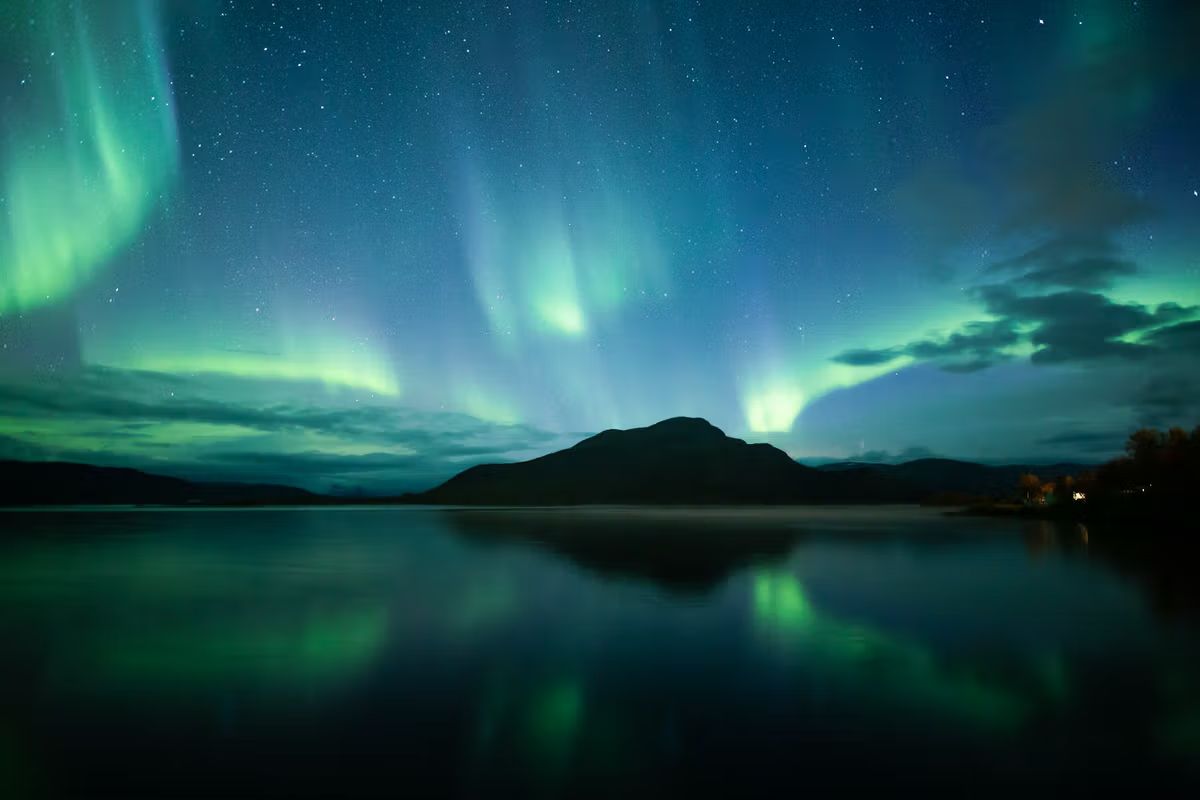
An aurora is a glowing light display near the Earth's poles, produced when solar particles strike atmospheric gases. In the northern hemisphere, this display is called the aurora borealis, or Northern Lights. Its southern counterpart is the aurora australis, or Southern Lights.
Auroras are unpredictable, which is why checking forecasts before heading out matters. They appear in shapes from faint clouds to rippling curtains that shift across the sky within minutes.
The most common color is green, produced by oxygen molecules at altitudes around 100 to 300 km, according to NASA. Nitrogen can add blue, pink, or violet. The shapes shift constantly because the incoming solar particles follow Earth's magnetic field lines, which concentrate energy around the poles.
Read more: Northern Lights Iceland
Private Northern Lights Tour
The Private Northern Lights Tour gives you a dedicated vehicle, a certified guide, and the flexibility to chase the clearest skies on your schedule. Hotel pickup included, free cancellation up to 24 hours.
What Causes the Northern Lights? Explained
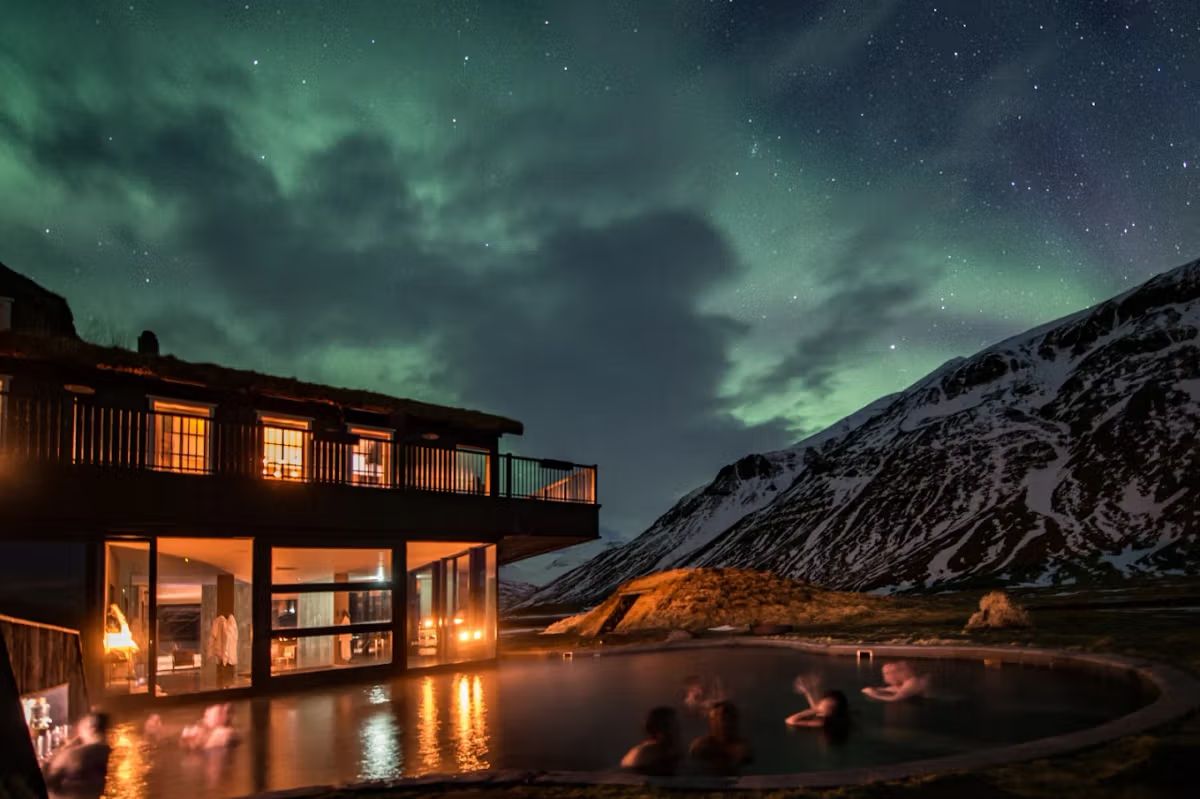
The lights originate from the sun. During solar storms, the sun ejects large clouds of charged particles into space. Some of these particles travel toward Earth.
Earth's magnetic field deflects most of them, but it funnels others toward the North and South Poles. That concentration around the poles is why auroras appear primarily in high-latitude regions.
Tom Kerss, an astronomer at the Royal Observatory, explains the process: "When these particles collide with atoms in our Earth's upper atmosphere, they 'heat' them up in a process we call 'excitation,' which causes the atoms to glow, similar to how heating a gas makes it glow."
Which gas the particles hit, and at what altitude, determines the color of that glow. According to NASA, auroras typically begin around 130 km above Earth and can extend much higher during intense geomagnetic storms.
The Colors of the Northern Lights Explained
Just like different gases emit various colors when heated, a similar process unfolds during aurora displays. The Earth's atmosphere mainly comprises two gases: nitrogen and oxygen. Each glows in distinct colors when activated by the energy of incoming solar particles.
Oxygen is responsible for the vivid green that is most commonly associated with the aurora, while nitrogen produces the shades of purple, blue, or pink that occasionally streak through the night sky.
Astronomer Tom Kerss adds insight into another spectacular color sometimes seen: "We sometimes witness a striking scarlet red in the aurora, which happens when oxygen at very high altitudes interacts with solar particles. This brilliant red only appears when the aurora is strong and energetic."
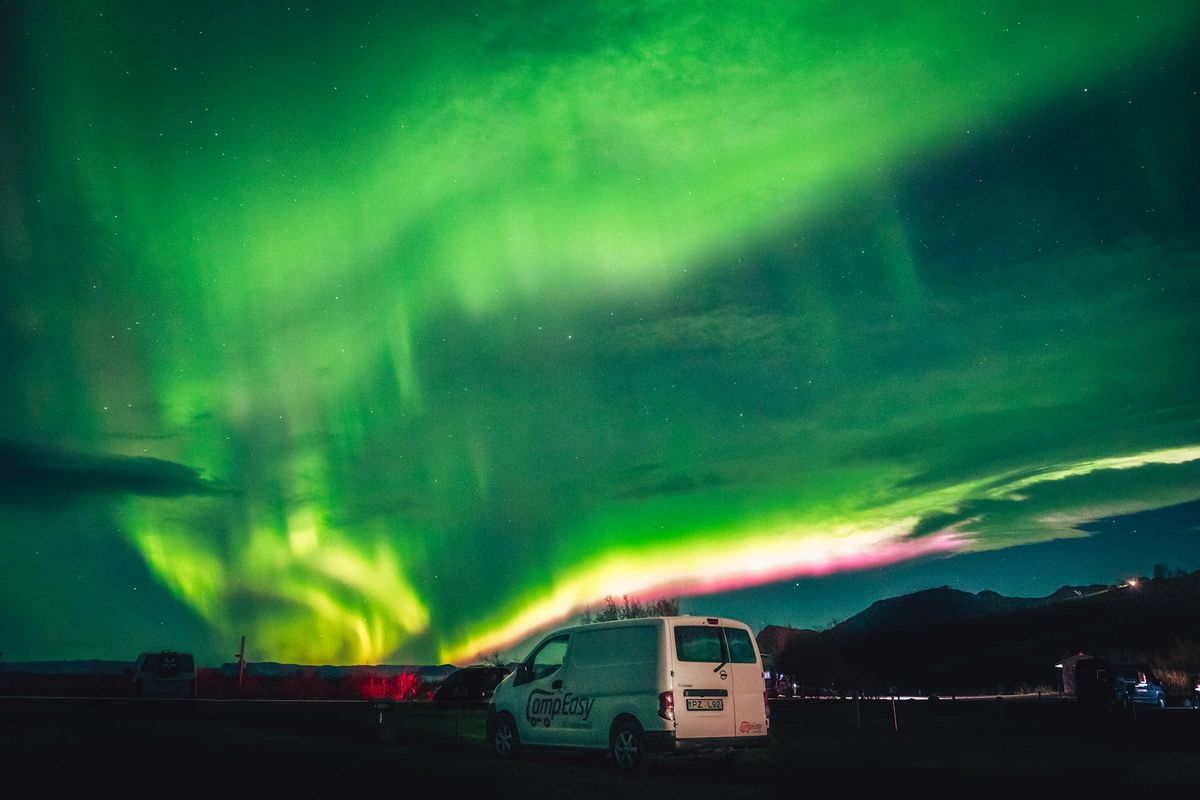
The rarest aurora color is blue. According to NASA's aurora science page, blue light comes from ionized nitrogen molecules (N₂⁺) at altitudes below 100 km. Pure blue auroras are uncommon because nitrogen ionization requires very high energy, meaning only strong geomagnetic storms produce them.
In practical terms, if you see green during your tour, conditions are good. Pink and red auroras signal a strong geomagnetic storm and are worth staying out for.
Golden Circle Classic and Northern Lights Mystery
This tour pairs the Golden Circle daytime route with an evening Northern Lights search, covering both in one day from Reykjavík.
How to Predict Northern Lights
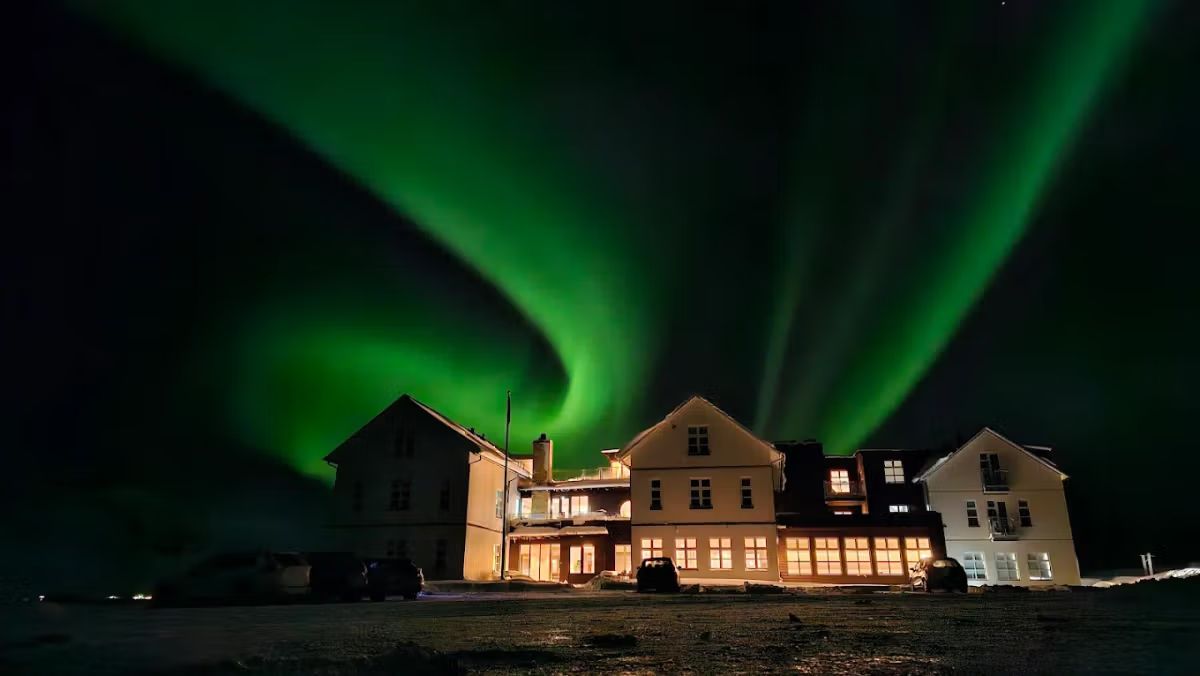
Predicting the Northern Lights is not always straightforward. Sometimes, they can appear with only a 30-minute warning, but forecasts can also provide a few days' notice, especially around the spring and fall equinoxes when auroras are more common.
The Kp-index, which measures magnetic activity on the Earth's surface, helps predict when the Northern Lights might be visible. If the Kp-index is six or higher, there is a good chance you will see the lights. You can check the current Kp-index on the NOAA aurora forecast page.
The sun's activity cycle lasts about 11 years. Solar Cycle 25 peaked around late 2024, according to NOAA solar cycle data, and elevated solar activity continues through 2026. That means the current period is an excellent window for aurora viewing, with more frequent and intense displays than during the cycle's quieter years.
Best Times to See the Northern Lights
In Iceland, the Northern Lights season runs from September to April, with peak viewing from October through March. October and March tend to produce the most active displays because, according to NOAA, geomagnetic activity increases around the equinoxes.
Check the weather and use the NOAA three-day or 30-minute forecasts, or download a reliable aurora app to aid your planning. Choose a clear night and dress warmly.
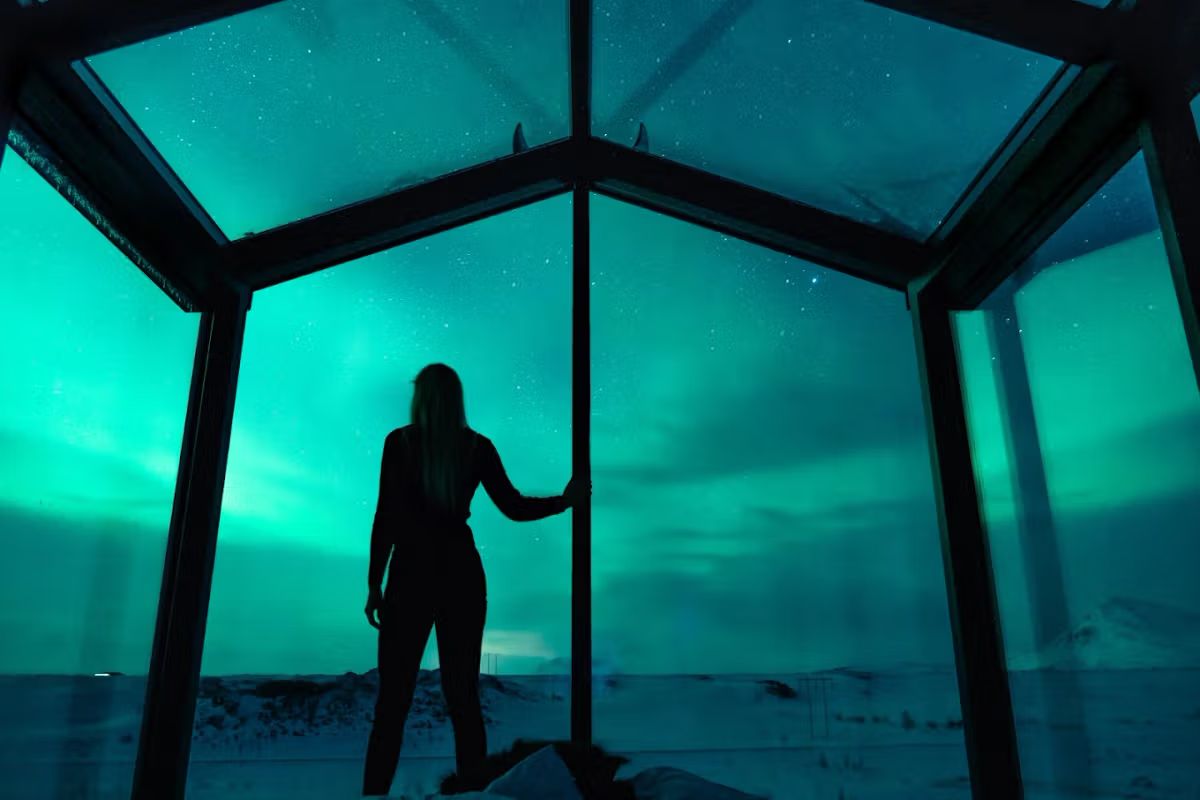
The Northern Lights do not appear at a set time because they depend on when a solar storm reaches Earth, which can happen at any hour, even before full darkness. To see them at their best, start scanning the sky after 10 p.m. and be patient.
You may need to wait several nights to catch a display, and it might only last briefly. Be prepared to savor and capture the moment when it appears. If you want expert guidance, consider a Northern Lights tour from Reykjavík, where certified guides track conditions in real time and know the best dark-sky locations.
Best Viewing Locations in Iceland
Iceland sits directly beneath the auroral oval, the ring-shaped zone around the magnetic pole where aurora activity concentrates. Combined with dark winter skies and easy access from Reykjavík, that position makes Iceland one of the world's best Northern Lights destinations.
The key to a good sighting is darkness. Get away from Reykjavík's city lights and find a location with an unobstructed view of the northern horizon. Some of the most accessible dark-sky spots near the capital include:
- Þingvellir National Park: About 45 minutes from Reykjavík on the Golden Circle route. The open plains between the tectonic plates offer wide, unobstructed sky views with minimal light pollution.
- Grótta lighthouse: On the western tip of Reykjavík's Seltjarnarnes peninsula. Close to the city but dark enough for strong displays, with the ocean horizon adding depth to photographs.
- Öskjuhlíð hill: The wooded hill near Perlan, within Reykjavík itself. It works for moderate displays when you cannot travel farther out.
- Kleifarvatn and the Reykjanes Peninsula: About 30 minutes south of Reykjavík. Volcanic landscapes and very little artificial light.
Plan to spend at least 2 to 3 hours outside. Auroras can take time to build, and conditions change quickly. Dress in thermal base layers, a windproof outer layer, warm hat, and insulated gloves. Bring a thermos with a hot drink.
Our certified Icelandic guides track aurora forecasts and cloud cover maps in real time, choosing locations with the clearest skies on any given night. On a guided Northern Lights tour, the guesswork is handled for you.
For photography, set your phone or camera to manual mode if possible. Use a wide-angle lens, set ISO between 1600 and 3200, aperture as wide as it goes (f/2.8 or lower is ideal), and a shutter speed of 5 to 15 seconds. A tripod or stable surface is essential. Modern smartphones with night mode can also capture vivid aurora shots without manual settings.
Exclusive Small Group Tour: Northern Lights Adventure in Iceland
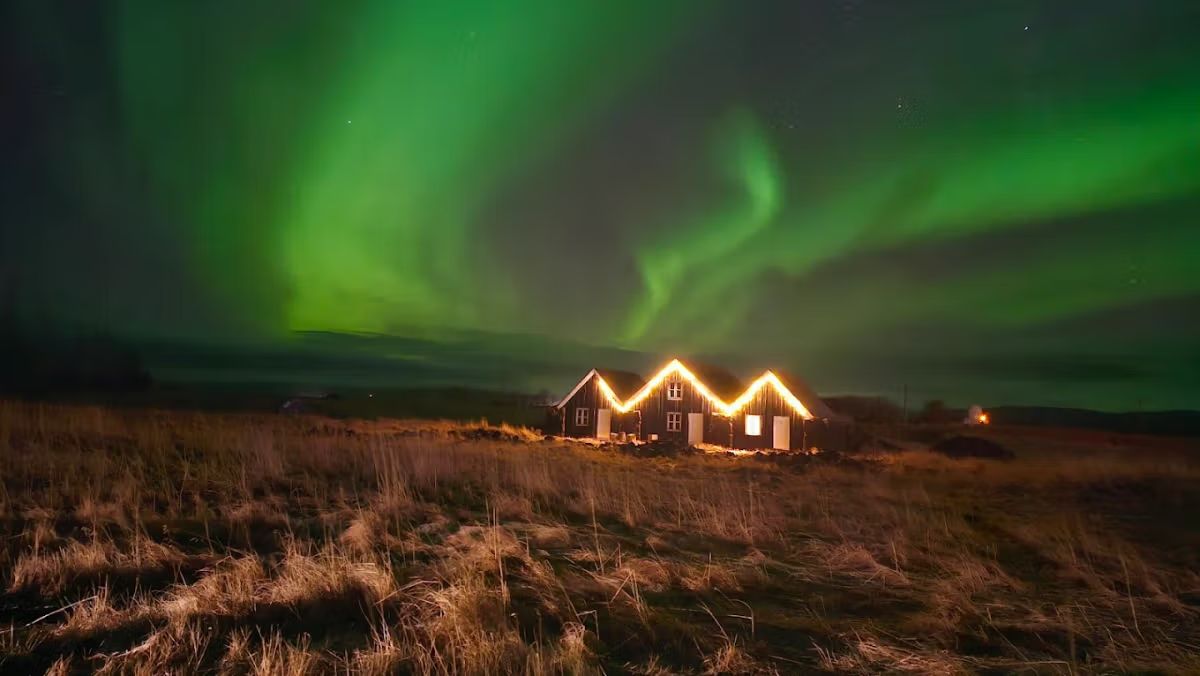
Our small group tours (max 19 guests) include a certified guide, hotel pickup, and free cancellation up to 24 hours. The guide handles the forecasting and location scouting so you can focus on the sky.
Summary
The Northern Lights are caused by charged solar particles colliding with oxygen and nitrogen in Earth's upper atmosphere. The colors, shapes, and intensity depend on which gases are hit and how much energy the storm carries.
If you are planning a trip to see them in Iceland, here is what matters most:
- Visit between September and April. October through March gives you the longest, darkest nights.
- Check the Kp-index before heading out. A reading of 6 or higher means strong aurora activity is likely.
- Get away from city lights. Þingvellir and the Reykjanes Peninsula are both within an hour of Reykjavík, with very little artificial light.
- Allow 2 to 3 hours of viewing time. Auroras can take time to build, and conditions change fast.
If you would rather leave the forecasting and logistics to someone else, a guided Northern Lights tour from Reykjavík handles the planning for you. Our certified Icelandic guides track conditions in real time and choose the best location on any given night.
Visit our website to learn more about the Northern Lights experience and book your tour.
Compare Golden Circle Tours
Check each selected product for its current operator, guide, itinerary, meeting point, and terms.
View Our Tours

