
What Do You Actually Need to Pack for Iceland?
Three layers and waterproofs, in every season. A merino or synthetic base layer, a fleece or wool mid-layer, and a jacket that is genuinely windproof and waterproof rather than shower-resistant.
Add waterproof trousers, waterproof walking boots, a hat, gloves and swimwear, and you have covered 90 per cent of what any Icelandic trip demands.
The thing to understand is that Iceland is not as cold as people expect and is far windier. At Hjarðarland, the nearest long-running station to the Golden Circle, Met Office climate data gives a January average daily high of 1.8°C and a July high of 16.5°C.
Those are mild numbers. It is the wind that makes the difference, and no amount of thick coat helps if it is not windproof.
The Layering System
Three layers, each doing one job, and the order matters.
Base Layer
Merino wool or synthetic, worn next to the skin. Its job is to move sweat away from you.
Cotton is the thing to avoid. It absorbs moisture, stops insulating and stays cold, which is why every guide says the same thing about it.
Two or three sets for a week is enough, since merino resists odour for days.
Mid Layer
Fleece or wool, and its job is trapping warm air.
A single mid-weight fleece covers most of the year. In deep winter, add a light down or synthetic insulated layer over it.
The advantage of a separate mid-layer is that you can take it off. A single heavy coat gives you one setting.
Outer Shell
Waterproof and windproof, and this is where to spend your money.
A hard shell with taped seams and a hood that stays up in wind. Water resistance is not the same as waterproof and Iceland finds the difference within a day.
Waterproof trousers matter more than most visitors expect, because rain here arrives sideways.
An umbrella is useless. Do not bring one, and you will see broken ones in bins across Reykjavík.
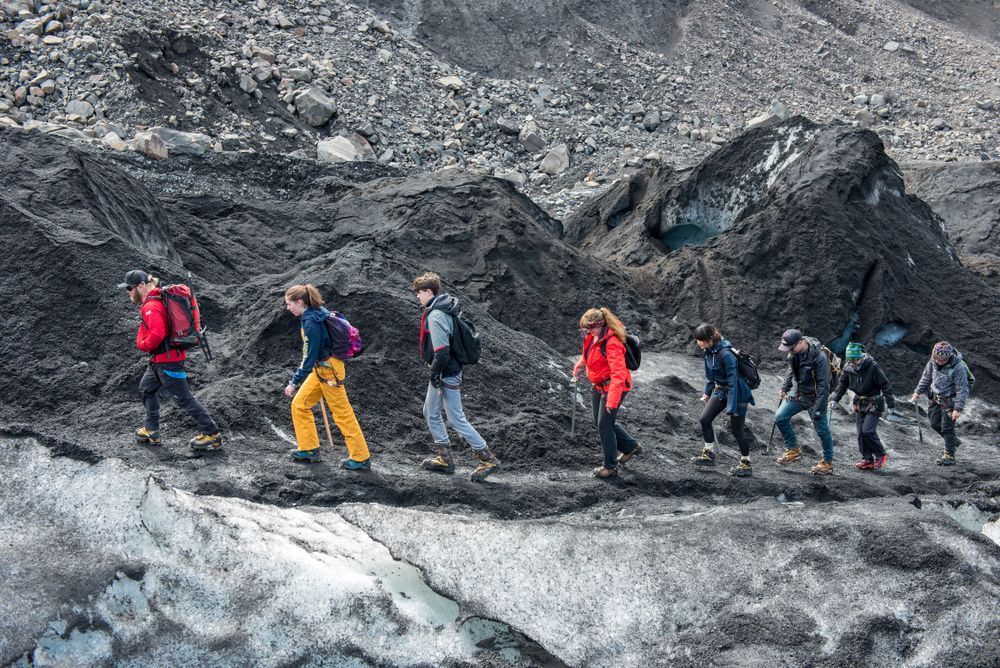
The shell layer is where to spend. Wind-driven rain finds every gap in cheaper waterproofs.
The Non-Negotiables
Eight items, for any month of the year.
Waterproof jacket with a hood, properly windproof.
Waterproof over-trousers, which pack down small and rescue whole days.
Waterproof walking boots with ankle support and a real sole. Trainers are the single most common packing mistake.
Warm hat that covers your ears.
Gloves, ideally waterproof. Wet wool gloves in wind are worse than bare hands.
A buff or neck gaiter, which does more for comfort per gram than anything else you can pack.
Swimwear, because the pools and lagoons are not optional in Iceland.
A day pack with a rain cover for whatever you are carrying.
Summer: June, July and August
Warmer than you think and wetter than you hope.
July is the warmest month, with an average daily high of 16.5°C and the year's lowest mean wind at 3.4 metres per second. That is t-shirt weather in the sun and fleece weather the moment cloud arrives.
Pack the full layering system anyway. A 16°C day with wind and rain feels like 8°C, and Iceland produces those regularly in July.
Add a sleep mask. The sun barely sets in June and blackout curtains are not universal.
Add sunglasses, which visitors leave at home and then need for low sun that sits in your eyes for hours.
Add insect repellent if you are going to Lake Mývatn in the north, where midges are dense in June and July. They do not bite, and they are still unpleasant.
Leave shorts at home. You will get two days a summer where they make sense.
Autumn: September and October
The season that catches people out, because the marketing photographs are all summer.
September is the wettest month on the Golden Circle route at 147 mm, and the weather becomes genuinely changeable.
Warmer mid-layers than summer, and the same waterproofs. This is when the over-trousers earn their place.
Aurora season starts in late September, so add a head torch, warm gloves you can operate a camera in, and a tripod if you are photographing. The Icelandic Met Office publishes the aurora forecast alongside cloud cover.
Add traction spikes from October onwards. The first ice arrives before most visitors expect it.
Daylight shrinks fast, so a head torch is a genuine item rather than a precaution.
Winter: November to March
Colder, darker and considerably easier than people fear if you have the right kit.
Thermal base layers top and bottom, a warm mid-layer, an insulated jacket and the same waterproof shell over the top.
Traction spikes that slip over your boots. These cost very little, weigh nothing and change every winter site visit. Our guide to Gullfoss in winter explains why.
Warm socks, thick and wool. Feet are what get cold when you are standing still at a viewpoint.
A proper hat and waterproof gloves, and a spare pair of each.
A head torch, because in late December there are around four hours of sun.
Something reflective if you are walking beside roads, since Icelandic winter driving is done largely in the dark.
Our guide to Þingvellir in winter covers what the cleared paths are actually like underfoot.
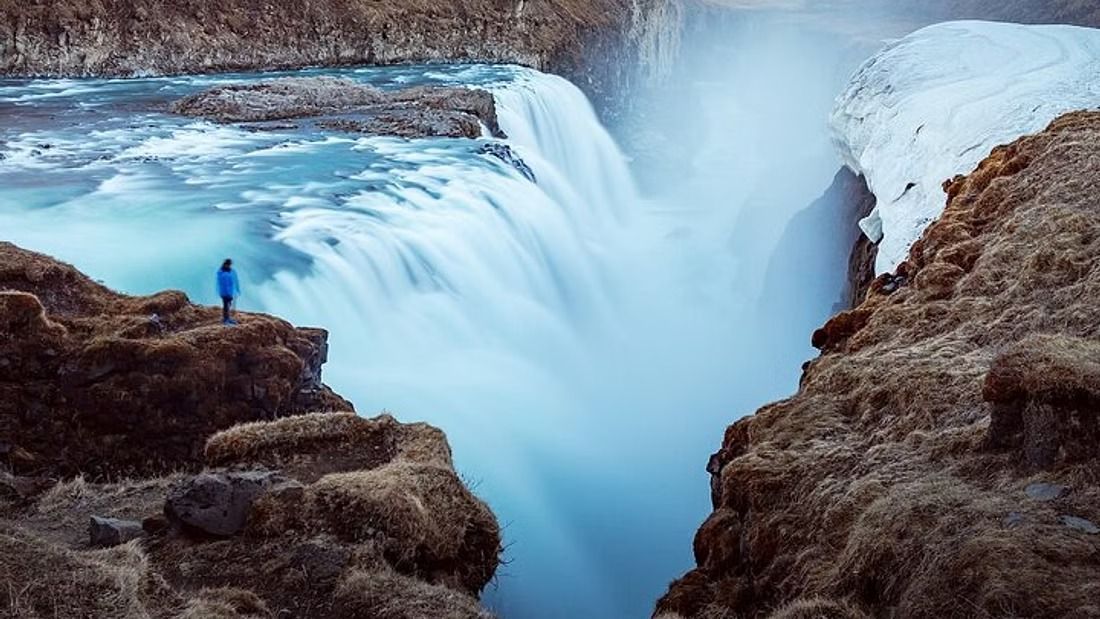
Traction spikes are the winter item that changes everything, and they cost almost nothing.
Things People Always Forget
Seven, and the first three are the ones we hear about most.
A reusable water bottle. Icelandic tap water is excellent, free everywhere and among the best in the world. Buying bottled water here is a waste of money.
A swimming towel, or accept the hire charge at every pool. A quick-dry travel towel is the better answer.
Flip-flops for pool and lagoon changing rooms.
A dry bag or plastic bag for wet swimwear, which you will have most days.
Adapters. Iceland uses the European two-pin type F socket at 230V.
A power bank. Cold drains phone batteries fast and the phone is your camera, map and torch.
Motion sickness tablets if you are doing whale watching or a boat tour, because the North Atlantic is not calm.
What Not to Bring
Five things that take up space and do nothing.
An umbrella. Iceland's wind destroys them and everyone can tell you are new.
Heavy cotton hoodies and jeans. Cotton holds water and once wet it stays cold all day.
Formal clothes. Reykjavík is relaxed and almost nowhere expects more than a clean shirt.
A hairdryer. Most accommodation has one, and the sulphur smell in the hot water will defeat it anyway.
Large quantities of toiletries. They are available and Icelandic hot water is geothermal, so the shower smells of sulphur regardless of what you use.
Buying Kit in Iceland
Possible, expensive and occasionally the right call.
Outdoor shops in Reykjavík stock excellent gear, including Icelandic brands built for exactly these conditions.
Prices are high. A waterproof jacket bought at home is generally a third cheaper than the same jacket bought in Reykjavík.
Traction spikes are the exception. They cost very little at any petrol station and they are worth buying on arrival rather than carrying.
Woollen goods are the thing worth buying here. A lopapeysa, the traditional Icelandic sweater, is genuinely warm and genuinely made locally if you buy from the right place.
Our guide to whether Iceland is expensive covers what things actually cost.
Packing for a Golden Circle Day
The specific version, since this is the day most visitors do.
You will be in and out of a vehicle at three or four stops, standing outdoors for 30 to 60 minutes at each.
Waterproofs, warm layers, hat and gloves, whatever the forecast says. Gullfoss produces its own weather from spray.
Traction spikes between October and April, particularly for the paths at Gullfoss and the gorge at Þingvellir.
Swimwear and a towel if the day includes a lagoon, and a bag for the wet things afterwards. The Secret Lagoon at Flúðir is the one that sits on the route itself.
Water and a snack, since the gaps between facilities on the loop are longer than the map suggests.
Live road conditions are worth checking at umferdin.is before any winter departure.
Compare Golden Circle Tours
Check each selected product for its current operator, guide, itinerary, meeting point, and terms.
View Our Tours
