
When Is the Best Time to Visit the Blue Lagoon?
The first slot of the day or the last one, in January, February, April, May or November. That combination gives you the quietest water, the easiest changing rooms and the cheapest slots.
Midday is the worst. Between 12:00 and 15:00 the airport transfers, the day tours and the Reykjavík coaches all converge, and the lagoon is at its busiest.
Season changes the character rather than the quality. The water holds 37 to 39°C every day of the year, so what varies is the light, the air and how many people are in it.
Best Time of Day
Three windows, and they are genuinely different experiences.
The opening slot is the quietest of the day. Changing rooms are empty, the water is undisturbed, and the light in summer is low and clean. It is also the most popular slot with people who have read this advice, so book it early.
Midday between 12:00 and 15:00 is the crush. Arrival-day visitors from morning flights and Reykjavík day trips arrive within the same two hours.
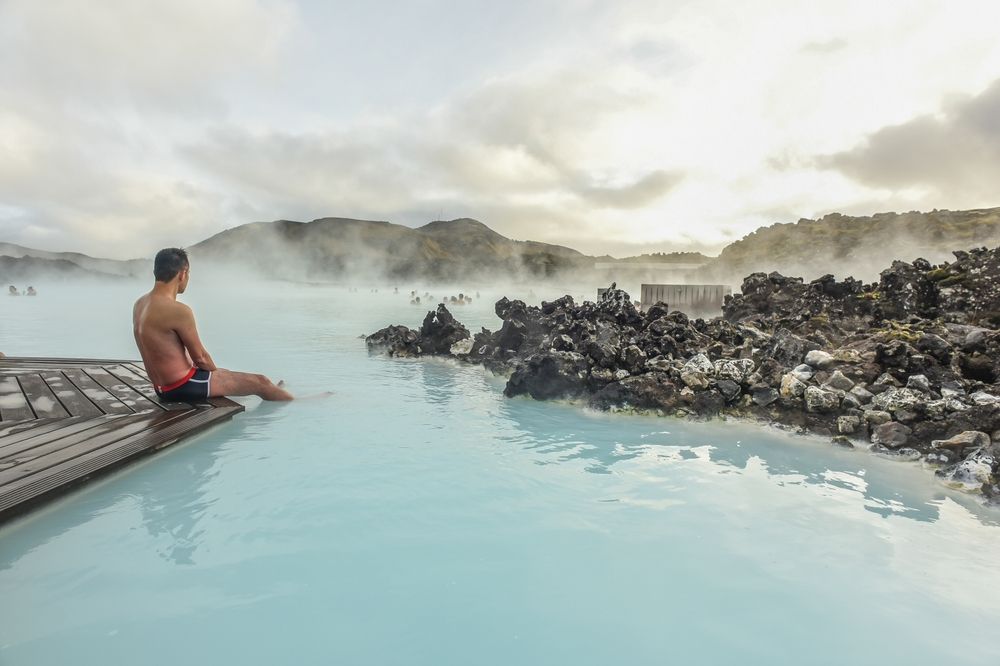
Late afternoon and evening thin out as the day groups leave. In summer this gives you golden light on the water, and in winter it gives you darkness.
The last slot of the day is quiet and slightly compromised, since you will be asked to leave while you are still enjoying it. The second-to-last is the better booking.
Best Season
Four seasons, four different reasons to go.
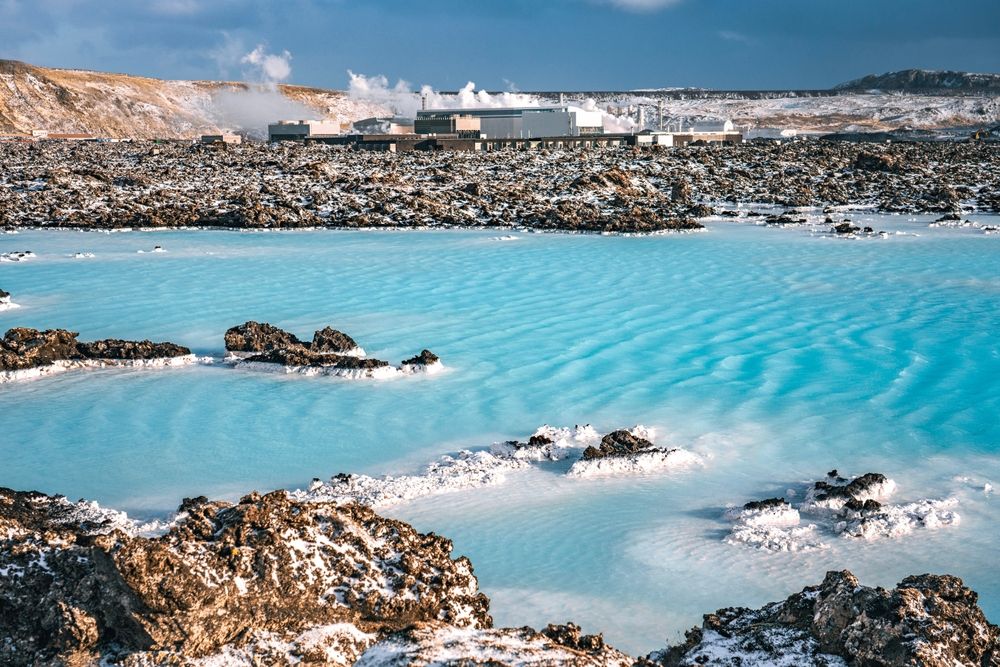
Winter, from November to February, gives steam against cold air, snow on the lava field and the only real chance of aurora. It also has the fewest visitors and the lowest prices.
Spring, from March to May, is the underrated window. Daylight returns, crowds have not, and April and May are among the quietest months of the year.
Summer, from June to August, gives the longest hours and the busiest lagoon. The 07:00 to 23:00 opening in high summer means you can soak at almost any hour, and midnight sun over the lava field is its own thing.
Autumn, from September to October, is the compromise most experienced visitors recommend. Summer crowds have gone, prices have eased, and aurora becomes possible again from mid-September.
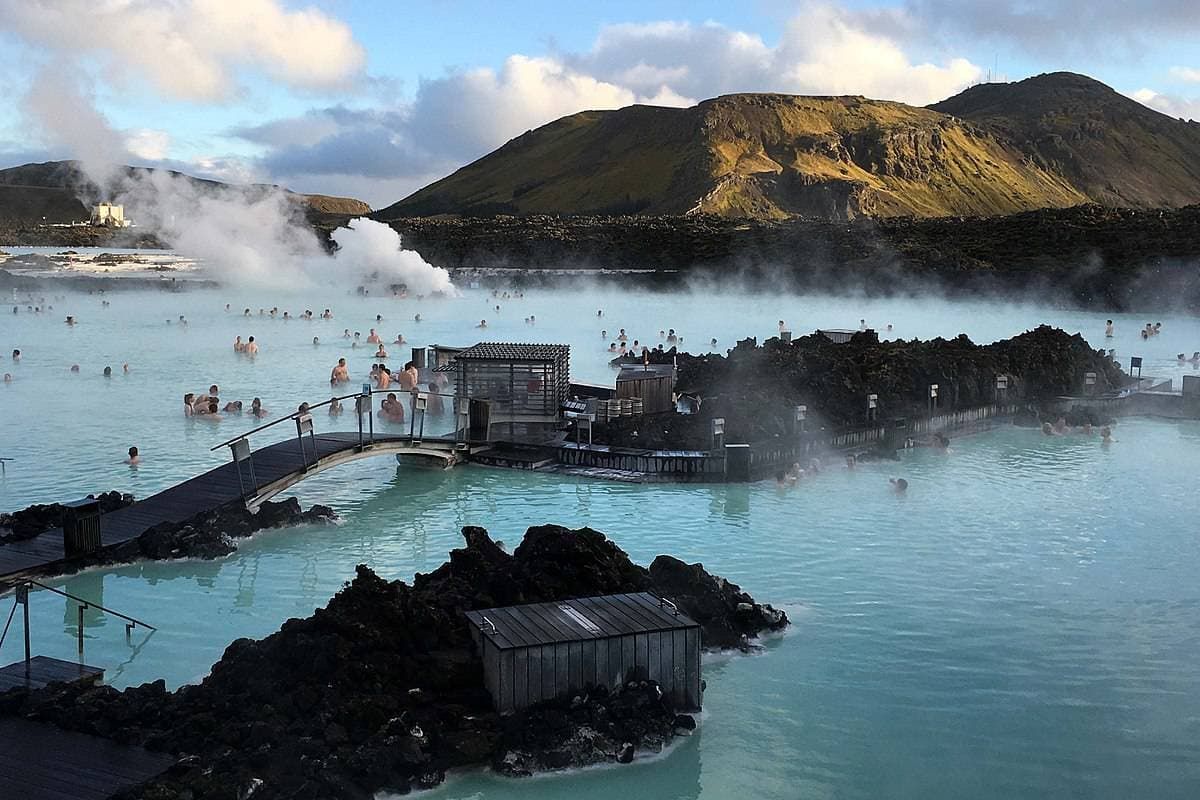
Between noon and three the lagoon takes arrivals, day tours and city transfers all at once.
Opening Hours by Season
The hours change three times a year, which affects which slots exist at all.
From 15 June to 20 August the lagoon runs 07:00 to 23:00, the longest window of the year.
From 21 August to 31 January it stays open until 22:00, which is the period when a genuine after-dark visit is possible.
From 1 February to 31 May it closes at 20:00, the tightest window and the reason spring evening slots are harder to get.
Last entry falls before closing, usually by an hour or more, and it varies by slot rather than following a single rule.
Entry is timed and pre-booking is required. There is no walk-up option.
The Quietest Months
Ranked honestly, from emptiest to busiest.
January and February are the quietest of the year outside the Christmas and New Year period, with the lowest prices and the easiest slots to secure.
April, May and November are the next tier, with reasonable weather, returning daylight in spring and few visitors.
March, September and October sit in the middle, busier than the quiet months and far easier than summer.
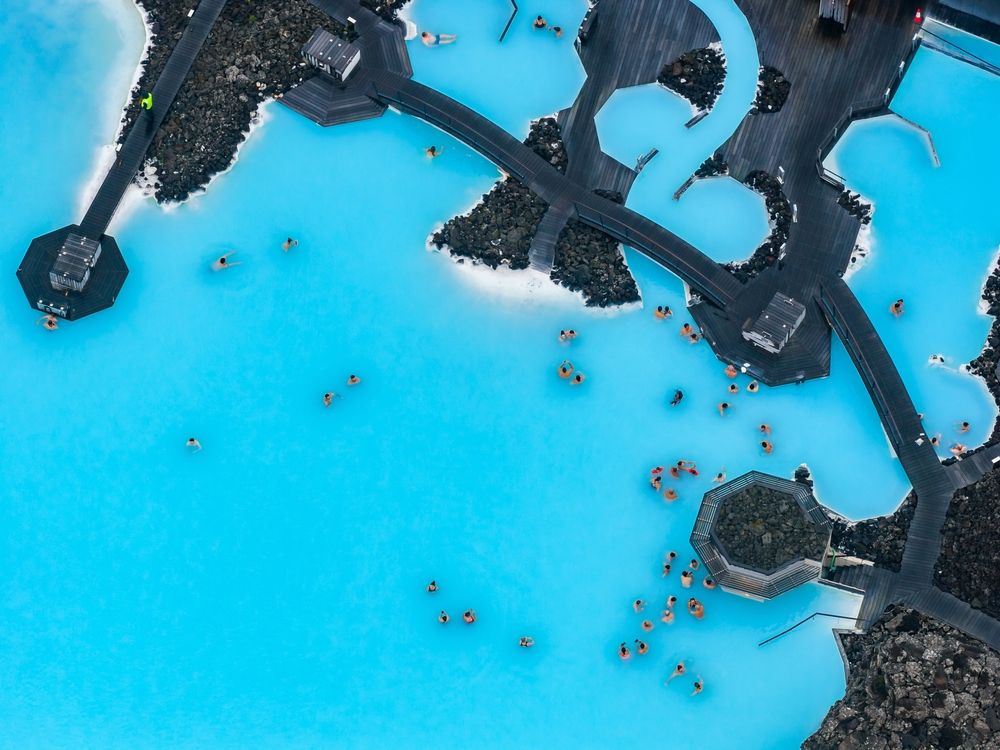
June, July and August are the peak, with midday slots selling out weeks ahead.
Late December is its own case. Christmas and New Year bring a short sharp spike that behaves like summer.
Weekdays are quieter than weekends year-round, and Tuesday to Thursday are the calmest.
Best Time for the Northern Lights
Realistic expectations, because this is the most oversold aspect of a lagoon visit.
The aurora season runs from late September to early April, and only a slot after dark gives you any chance at all.
The lagoon's own lighting is the problem. It sits directly in your field of view, and faint aurora that would be visible from a dark field is not visible from lit water.
Cloud is the bigger obstacle. Icelandic winter skies are overcast far more often than clear, and no amount of solar activity gets through.
The Icelandic Met Office publishes an aurora forecast with cloud cover, which is the only forecast worth checking.
A Kp index of 3 or above is the usual threshold for anything visible this far south, and even then a clear patch of sky matters more.
Solar activity is in the strong part of the cycle. NOAA's Space Weather Prediction Center tracks Solar Cycle 25, whose predicted maximum was a smoothed sunspot number of 115 in July 2025.
If aurora matters, book a dedicated tour away from light and treat any sighting from the water as luck.
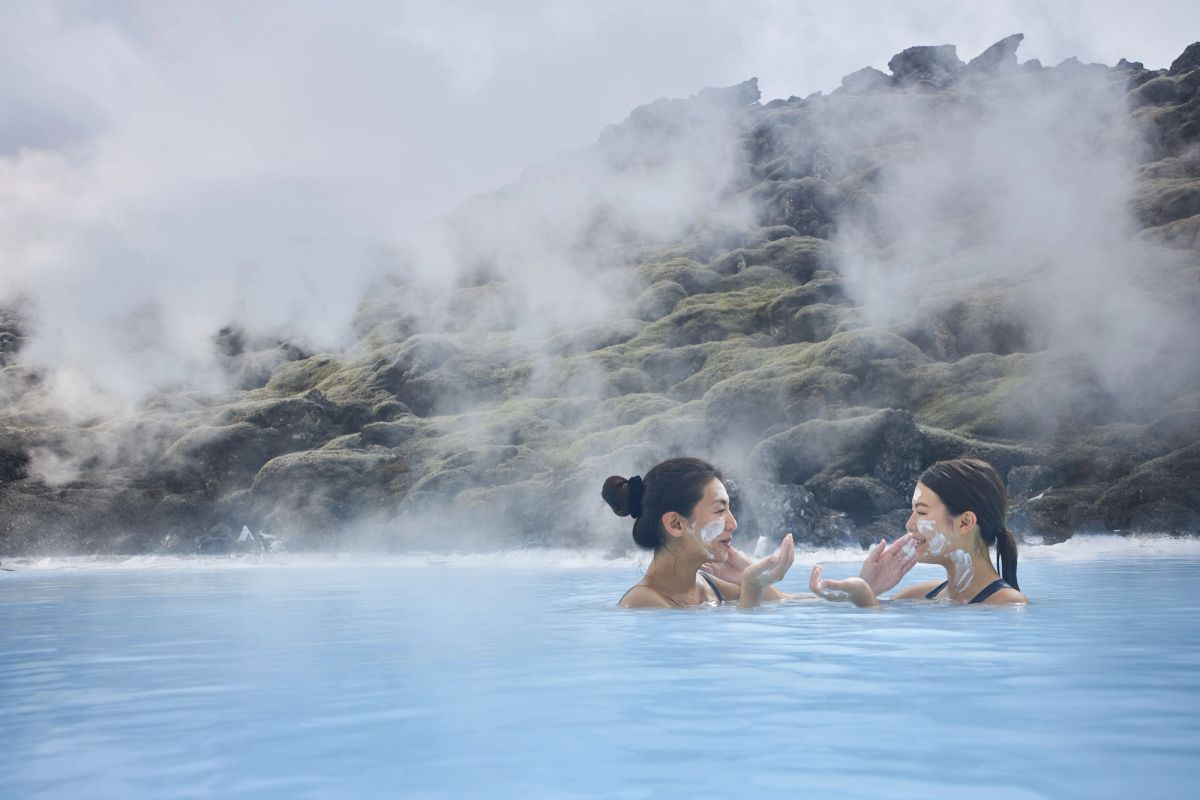
Allow two to three hours on site, which covers changing, the mask and a proper soak.
How Long to Spend
Two to three hours for most visitors, and the breakdown is consistent.
Changing, showering and getting to the water takes 20 to 30 minutes at each end, more at busy slots.
The soak itself runs 90 minutes to two hours before most people have had enough. The water is warm enough that longer starts to feel like a lot.
The silica mud mask, the sauna, the steam room and the waterfall add another 20 to 30 minutes if you want all of them.
A drink at the swim-up bar is included with most tickets and takes as long as you want it to.
Our page on the Blue Lagoon sets out what each admission tier includes.
Anything over three hours starts to be diminishing returns for most people, and the silica does your hair no favours the longer you stay in.
If you have booked the Retreat, allow four to five hours instead. Our guide to whether the Retreat is worth it covers what that buys.
Timing Around a Flight
The lagoon's location makes this the most common reason people pick a particular slot.
The site is 23 kilometres from Keflavík Airport, a 20 minute drive, with luggage storage on site.
On arrival day, book a slot three to four hours after landing. That covers baggage, immigration and the transfer without rushing.
On departure day, leave the lagoon three hours before your flight.
On a layover, six hours between flights is the minimum that makes it viable at all.
Our guide to where the Blue Lagoon is covers the transfer options in detail.
What Can Change Your Plans
One factor that overrides all of the above.
The Reykjanes peninsula has been in an active volcanic period since 2021, and the lagoon has closed temporarily on several occasions.
Check the status before you travel out. SafeTravel carries the official closure notices and road alerts.
Book early in your trip rather than on the last day, so there is room to move the slot if something closes.
Have a backup. The Sky Lagoon is 20 minutes from central Reykjavík and well away from the volcanic zone.
The Short Version
If you want it quiet, book the opening slot on a weekday in January, February, April, May or November.
If you want it dramatic, book an evening slot between late September and March, when it is dark and the steam is at its best.
If you want it easy, book any slot on an arrival or departure day and let the airport proximity do the work.
If you are travelling in July, book the 07:00 slot or something after 20:00 and skip the middle of the day entirely.
Fit the Lagoon Around a Full Day Out
The lagoon is a two to three hour stop rather than a day, and the country an hour inland is what most people came for. Our Golden Circle and Blue Lagoon combination covers Þingvellir, Geysir and Gullfoss and includes lagoon admission across about ten hours, finishing with the soak rather than starting with it. Tell us your dates and we will match it to the slot you want.
Compare Golden Circle Tours
Check each selected product for its current operator, guide, itinerary, meeting point, and terms.
View Our Tours

