
When Is the Best Time to Visit Iceland?
It depends entirely on what you want, and the honest answer splits four ways.
For daylight, access and warm weather, come between June and August. For the northern lights, come between late September and early April. For a balance of both, come in September or late March.
For value and space, come in April, May, October or February, which are the four months where prices ease and the sites empty.
There is no month with everything. Midnight sun and aurora are mutually exclusive, and any guide claiming otherwise is selling something.
The Two Things That Decide It
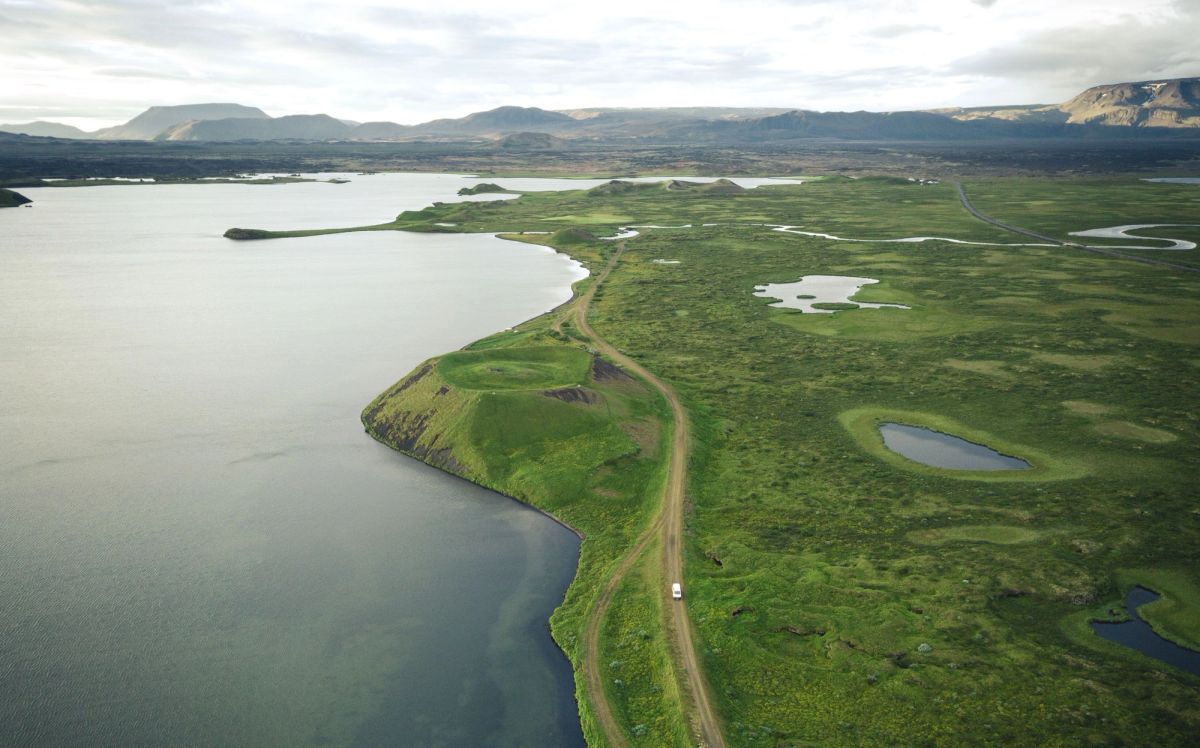
Daylight and darkness, and Iceland does both to extremes.
In late June the sun barely sets, with around 21 hours of usable light and a dusk that never quite becomes night. Every road is open and the highlands are reachable.
In late December there are around four hours of sun, rising after eleven and setting before four. Add twilight and you have perhaps six hours of usable light.
That single variable shapes everything else: what you can see, how far you can drive, whether aurora is possible, and how much a trip costs.
Temperature matters less than most visitors expect. At Hjarðarland, the nearest long-running station to the Golden Circle, Met Office climate data gives a January average daily high of 1.8°C and a July high of 16.5°C.
The gap between the coldest and warmest month is under 15 degrees, which is a smaller range than most European countries manage.
Summer: June, July and August
The peak season, and it earns the title.
Daylight runs 20 hours or more in June, easing through August. You can sightsee at ten at night, which changes what a day can hold.
July is the warmest month at 16.5°C average high, and it is also the calmest for wind at 3.4 metres per second on average.
Every road is open, including the F-roads into the highlands, which generally open through June depending on snowmelt.
Puffins nest from mid-May to August, whale watching is at its best, and the landscape is green rather than brown.
The costs are crowds and price. July is the busiest month of the year, accommodation books months ahead, and the popular sites are full between eleven and three.
There is no aurora. It never gets dark enough between mid-May and mid-August.
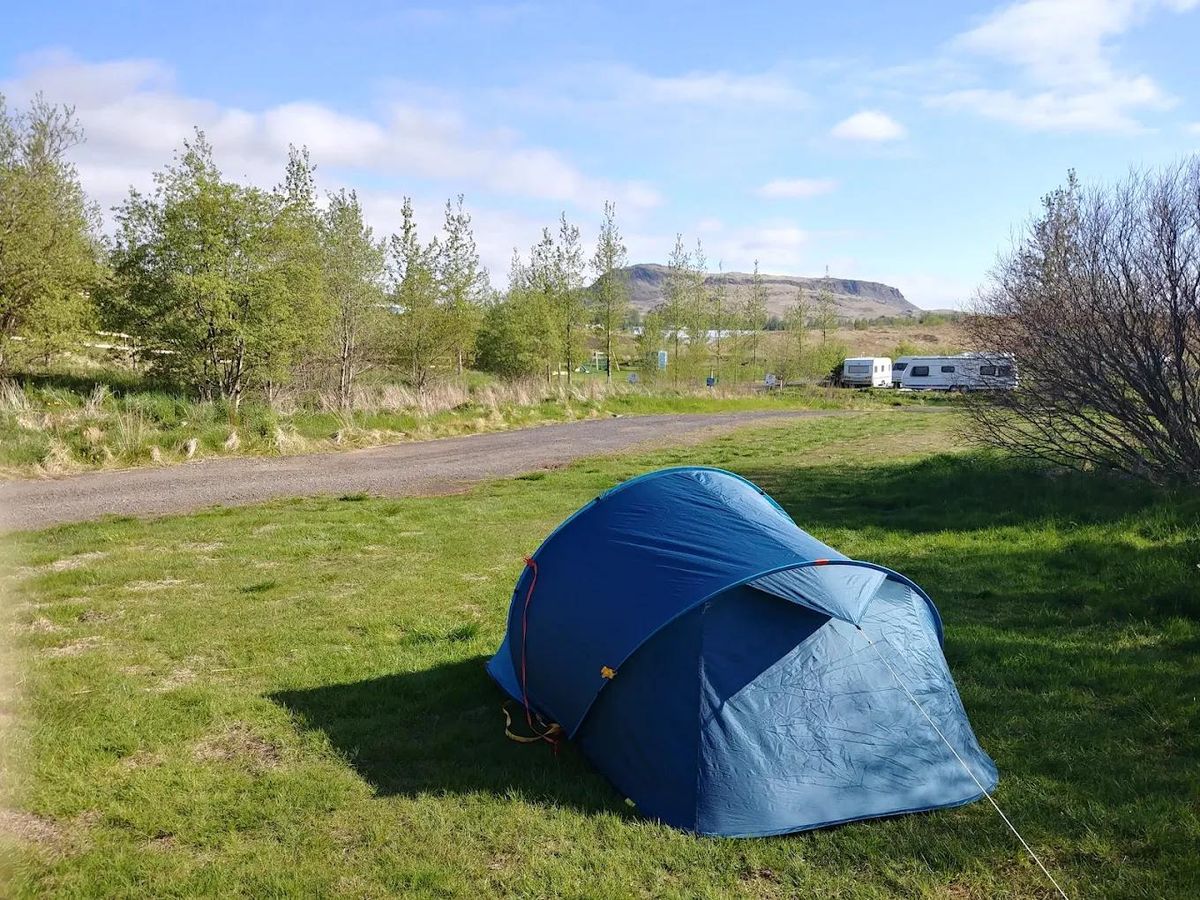
Autumn: September and October
The months experienced visitors pick, and September in particular.
September gives you returning darkness, the first aurora of the season from around the middle of the month, and F-roads that are mostly still open.
The landscape turns amber and red across the heaths, which is genuinely striking and rarely photographed in the marketing.
Crowds thin noticeably after the second week of September, and prices follow.
The trade is weather. September is the wettest month on the Golden Circle route at 147 mm, and conditions become changeable.
October keeps the aurora and loses the highland access, with the first ice arriving on paths. Prices are among the lowest of the year.
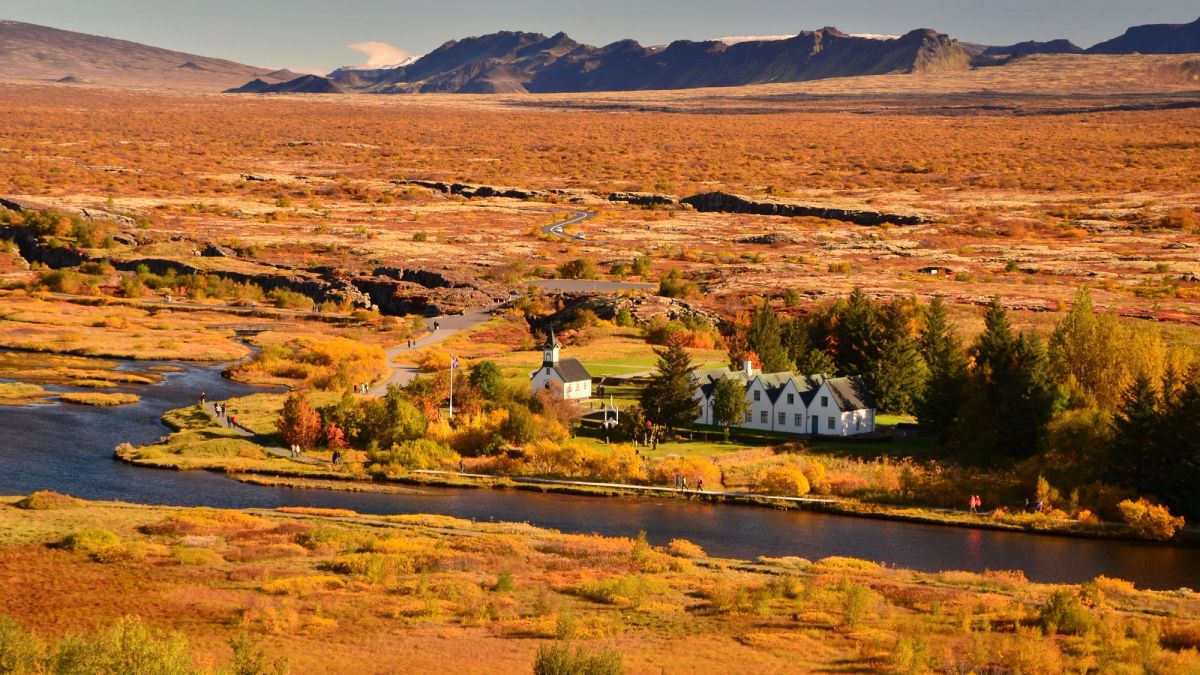
September brings back the darkness without losing the road access, which is why regulars pick it.
Winter: November to February
The season people either love or find hard, and the difference is expectations.
Daylight bottoms out in December at four hours of sun. Everything has to happen in a narrow window and it happens in low golden light the whole time.
Aurora chances are at their best because the nights are longest. Clear sky matters more than solar activity on any given night, and the Icelandic Met Office publishes both.
Snow transforms the sites rather than closing them. Frozen waterfalls and rift walls under white are the winter argument in a sentence.
Natural ice caves are accessible only in these months, forming in autumn and melting by spring. The Langjökull ice tunnel is the exception, since it is man-made and runs year-round.
Sites are empty. Gullfoss on a January weekday is a different place from Gullfoss in July.
The costs are real. Roads close, tours cancel for weather, the highlands are unreachable and driving needs genuine care.
November and January are the cheapest months of the year outside the Christmas and New Year spike.
Spring: March, April and May
The underrated window, and the one that gets the least attention.
March keeps aurora with meaningfully more daylight than December, which makes it the best compromise month of the winter half.
April sees the ice go, the puffins return towards the end of the month, and prices sit near their annual low.
May is the quiet secret. Long daylight, thin crowds, the last aurora chances in early May, and everything open except the highlands.
The trade in spring is unpredictability. Snow in April is normal and so is a warm week, and the ground is muddy where the ice has gone.
Late May into early June is when the midnight sun starts, before the July crowds arrive.
Our guide to what to pack for Iceland covers what each season actually demands, and the answer is less seasonal than people expect.
Month by Month, Briefly
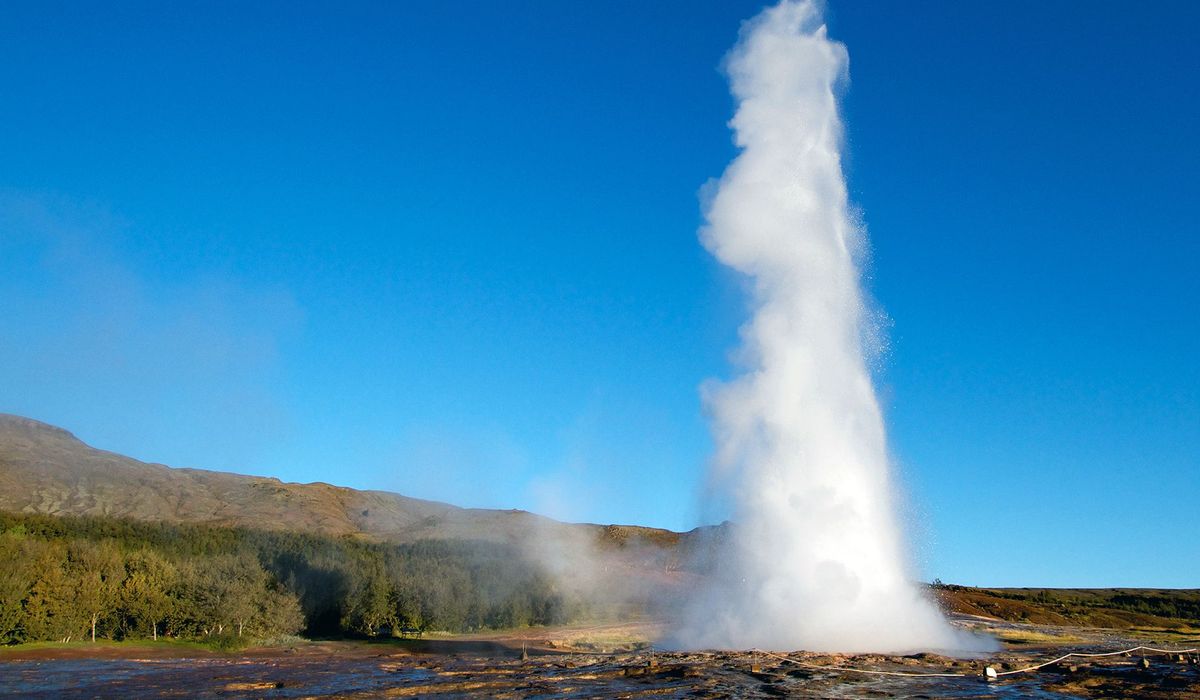
Twelve short answers.
- January is dark, cheap and empty, with the best ice caves and good aurora odds.
- February gains daylight, keeps the aurora and is one of the four value months.
- March is the best winter compromise, with aurora and enough light for a full day out.
- April is cheap and unpredictable, with the ice going and the puffins returning.
- May is the best value month of the year, with long light and no crowds.
- June brings the midnight sun, the highlands opening and the start of peak season.
- July is warmest, busiest and most expensive, with everything open.
- August is summer with slightly more darkness and slightly fewer people by the end.
- September is the most balanced month, with aurora returning and roads still open.
- October is cheap, dark enough for aurora and the first ice on the paths.
- November is the quietest month of the year and the darkest before the Christmas spike.
- December is short on daylight, high on atmosphere and expensive over the holidays.
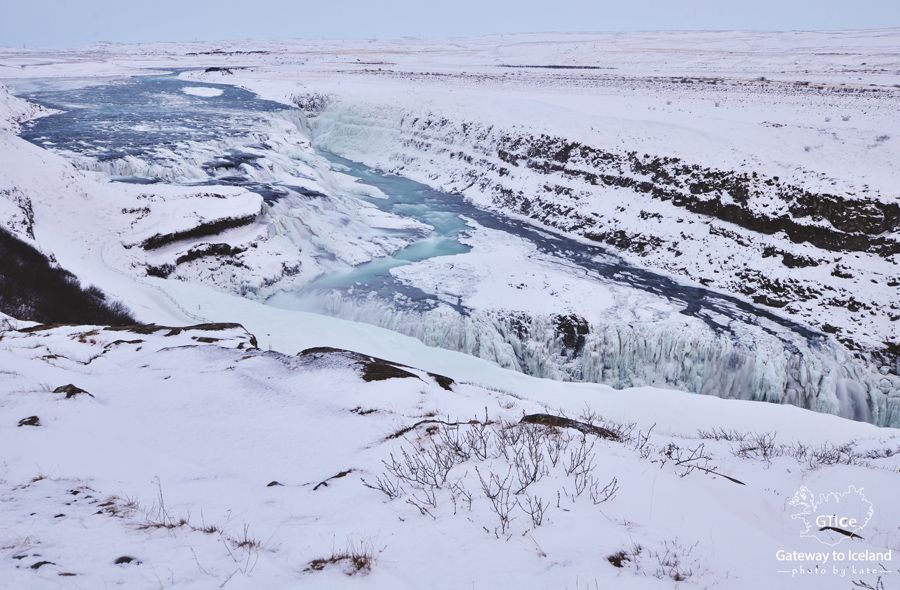
Winter sites are empty and the light is low all day, which suits photographers and nobody in a hurry.
The Northern Lights Season
Worth being precise about, because expectations here cause the most disappointment.
The season runs from late August or early September to mid-April. Outside that, the sky is never dark enough regardless of solar activity.
October, February and March combine long dark nights with a reasonable chance of clear sky, which makes them the best odds.
Cloud is the limiting factor rather than the aurora itself. Icelandic winter skies are overcast more often than clear, and no forecast fixes that.
Solar activity is currently in the strong part of the eleven-year cycle. NOAA's Space Weather Prediction Center tracks Solar Cycle 25, whose predicted maximum was a smoothed sunspot number of 115 in July 2025.
Give yourself several nights rather than one. A three-night trip in January has meaningfully worse odds than a week in October.
Our Golden Circle and northern lights combination covers the loop by day and chases clear sky after dark.
When to Come for the Golden Circle

The loop runs year-round, and the season changes it considerably.
Summer gives you long daylight, every path open and the most crowded viewpoints. A full loop plus two extra stops fits comfortably into a day.
Winter gives you frozen waterfalls, empty sites and about four hours of usable light, which means three stops and nothing else.
Spring and autumn are the sweet spot: enough daylight for a full loop, thin crowds, and paths that are open.
Road conditions decide winter days rather than the forecast, and live status is published at umferdin.is.
Whatever the month, the loop runs about 230 kilometres with roughly three and a half hours of driving.
Our guide to what the Golden Circle covers sets out the route and the timings.
A Straight Recommendation
Four trips, four answers.
First visit, want to see as much as possible: come in June or September.
Want the northern lights: come in October, February or March, and stay at least four nights.
Travelling on a budget: come in May or November.
Want the country to yourself: come in November or February and accept the daylight.
The one thing to avoid is a three-day winter trip built entirely around seeing aurora. The odds are not good enough to hang a holiday on.
Plan the Day Around the Season
Icelandic daylight is what decides how much a day can hold, and it changes by six hours between March and June. Our small-group Golden Circle tour with Kerið and Friðheimar runs year-round with groups under twenty, and we will tell you honestly what fits your dates. Send us the month you are coming.
Compare Golden Circle Tours
Check each selected product for its current operator, guide, itinerary, meeting point, and terms.
View Our Tours

