
Will You Miss Your Ship If an Excursion Runs Late?
Almost certainly not, provided you book an operator that guarantees return before all-aboard. A ship-run excursion is held by the cruise line because the line controls it. A well-run independent tour manages the same risk by tracking your vessel and building a margin into the route.
The genuine risk sits with self-arranged transport: a rental car, a public bus, or a taxi you flagged down. Those have nobody watching the clock on your behalf.
The rest of this guide explains what all-aboard actually means, what each type of booking commits to, and the questions worth asking before you pay.
What All-Aboard Time Really Means
It is not the departure time, and confusing the two is the most common mistake passengers make.
All aboard falls 30 to 60 minutes before the ship sails. It exists so the crew can run the head count, close the manifest, and clear the gangway before departure.
Missed departure and the ship is gone. Miss, all aboard, and you are still on the pier watching the gangway crew decide what to do about you.
Your day sheet carries both numbers every morning, and it is worth reading it rather than assuming yesterday's timings still apply. Ports change, tides change, and captains adjust.
Every sensible excursion plan works backwards from all-aboard rather than forwards from arrival.
Ship Excursions vs Independent Tours
The difference is narrower than the cruise line's brochure suggests, and it matters in one specific way.
A cruise-line excursion is sold by the ship, so if it runs late, the ship waits, or the line arranges to reunite you with it at the next port. That is a real protection, and it is the reason these tours cost more.
An independent tour is a contract between you and a local operator. The ship has no obligation to wait, and if you miss it, getting to the next port is your responsibility and your expense.
Independent tours are typically cheaper for the same itinerary, run smaller vehicles, and give you a guide with a group of fifteen rather than fifty. Our comparison of independent and ship-booked excursions sets out where each one wins.
The question is not whether independent tours are riskier in principle. It is whether the specific operator has structured the day so that the risk never materialises.
What Guaranteed Return Means
The phrase gets used loosely, so here is what it should mean in practice.
The operator commits in writing to returning you to the pier before all-aboard on your specific sailing, not before some generic afternoon deadline.
The route and stop lengths are planned around your ship's schedule. That means the same tour can run at slightly different times for two ships calling on the same day.
Buffers are built in for traffic, weather, and the one stop everybody lingers at. A 6-hour itinerary inside a 9-hour window is not a coincidence.
If a delay occurs, the operator absorbs it by shortening a later stop rather than by driving faster. Our full terms are set out on our guaranteed return page.
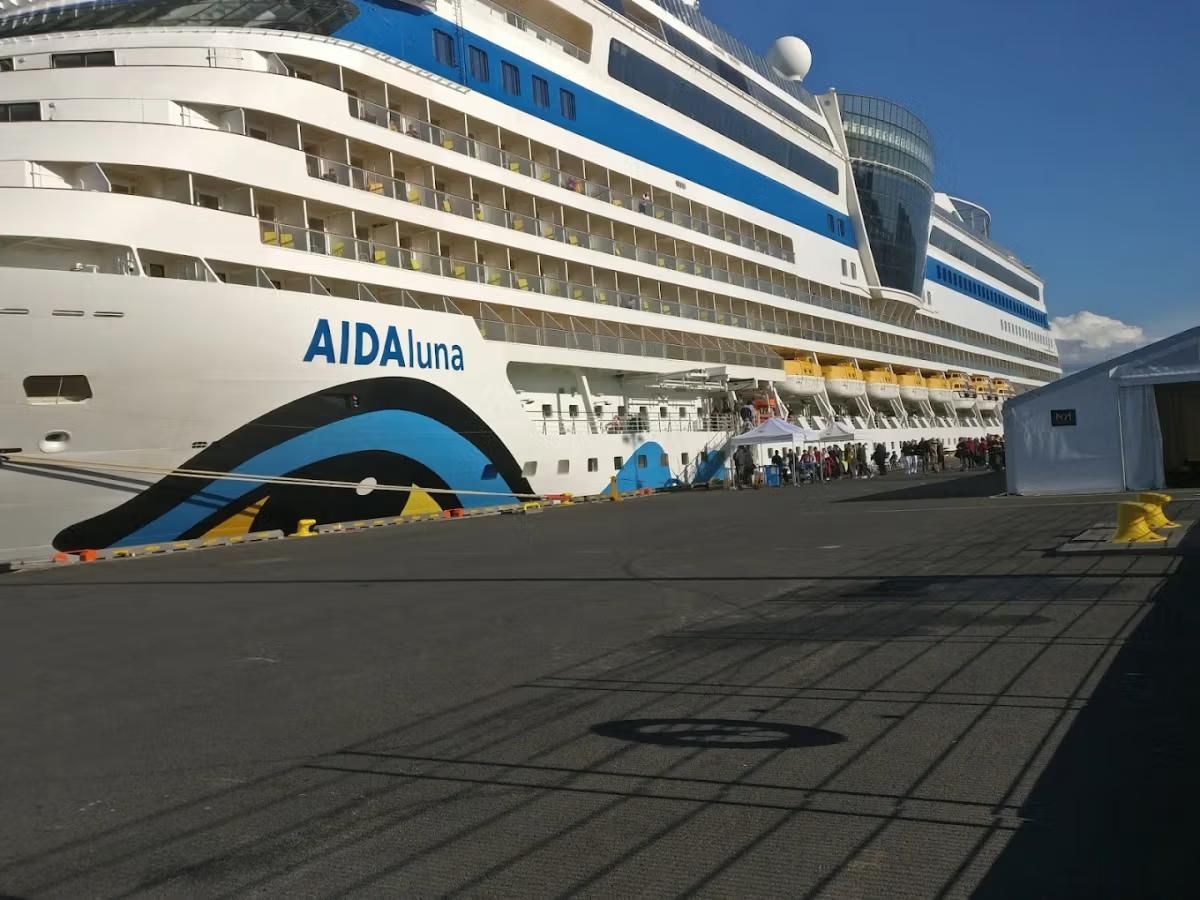
Skarfabakki handles the large ships, and drop-off happens at the pier rather than in town.
How Reputable Operators Protect You
Five things a serious cruise-port operator does that a general sightseeing company does not.
They ask for your ship name and call date at booking, then check the published schedule rather than taking your word for the timings.
They monitor the arrival on the morning itself. Ships run late into port more often than they leave late, and a 90-minute delayed berthing changes the whole plan.
They shorten the itinerary rather than cancelling it when that happens. A Golden Circle run can lose a stop and still be a good day.
They collect at the terminal itself rather than asking you to find a meeting point in town. In Reykjavík, that means Skarfabakki, where Faxaflóahafnir is opening a new 5,500-square-metre passenger terminal across two floors in spring 2026.
They give you a direct phone number for the day, not a booking desk that closes at five.
Matching the Tour to Your Port Time
Most timing problems are booking problems rather than driving problems.
The Golden Circle needs 6 to 8 hours, including transfers, which fits an 8- to 12-hour call comfortably and does not fit a 6-hour call at all. The loop covers around 230 kilometres, and the driving alone accounts for three and a half hours of it.
That distance is why the route cannot simply be compressed. The stops at Þingvellir, Geysir, and Gullfoss are 40 to 50 minutes each, and cutting them below that leaves you photographing a car park.
The South Coast to Reynisfjara needs 10 hours, so it belongs only on a long call or an overnight.
A lagoon visit costs about 3 hours at Sky Lagoon and closer to 5 at the Blue Lagoon, which is the single biggest variable in a Reykjavík day.
City sightseeing needs 3 to 4 hours and can absorb almost any delay, which makes it the sensible fallback when a call is shortened.
Our guide to how long ships actually stay in Reykjavík sets the realistic windows against each option.
The rule that prevents nearly every problem: pick a tour that ends at least 90 minutes before all-aboard, then stop adding to the day.
Weather Is the Variable, Not Traffic
Iceland has almost no congestion outside Reykjavík, so the delays that matter here are meteorological.
Wind is the usual culprit. Gusts on the open stretches between Þingvellir and Laugarvatn slow a high-sided minibus considerably, and the effect on a schedule is measured in tens of minutes rather than hours.
Snow and ice close roads outright in the winter months, though the cruise season runs May to September, when that is rare. Route 35 over the Lyngdalsheiði heath is the section operators watch.
Official road status and wind warnings are published by SafeTravel, and a good operator checks them before departure rather than at the first closed junction.
The response to bad weather should be a shortened itinerary, never a faster one. Any operator who suggests making up time on Icelandic roads is telling you something useful about themselves.
Read the Wording Before You Book
Three phrases mean three different things, and the gap between them is where people get caught.
"We have never missed a ship" is a claim about history, and it commits the operator to nothing.
"We aim to return you in good time" is an intention. It is what an operator writes when it does not want to promise anything specific.
"We guarantee return before your ship's all-aboard time" is a commitment tied to your sailing, and it is the wording to look for.
Ask what happens if the guarantee fails. A confident operator will tell you plainly, and the answer usually involves covering transport to the next port.
Get the answer in an email rather than a phone call, so there is something to point at later.
If Something Does Go Wrong
Rare, but worth knowing the sequence, because panic wastes the first ten minutes.
Call the operator first. They will usually know before you do and will already be talking to the port.
Call the ship's local port agent second. The agent's number is on your day sheet and on the gangway notice, and this is the person who tells the ship you are on your way.
If you are genuinely going to miss all aboard, say so early. A ship that knows you are twenty minutes out behaves differently from a ship that has heard nothing.
Keep your passport and a card with you rather than in the cabin. On the small chance you need to reach the next port, there are two things that make it possible.
Take photographs of your day sheet each morning. It carries the agent's number, the all-aboard time, and the berth, which is everything you would need.
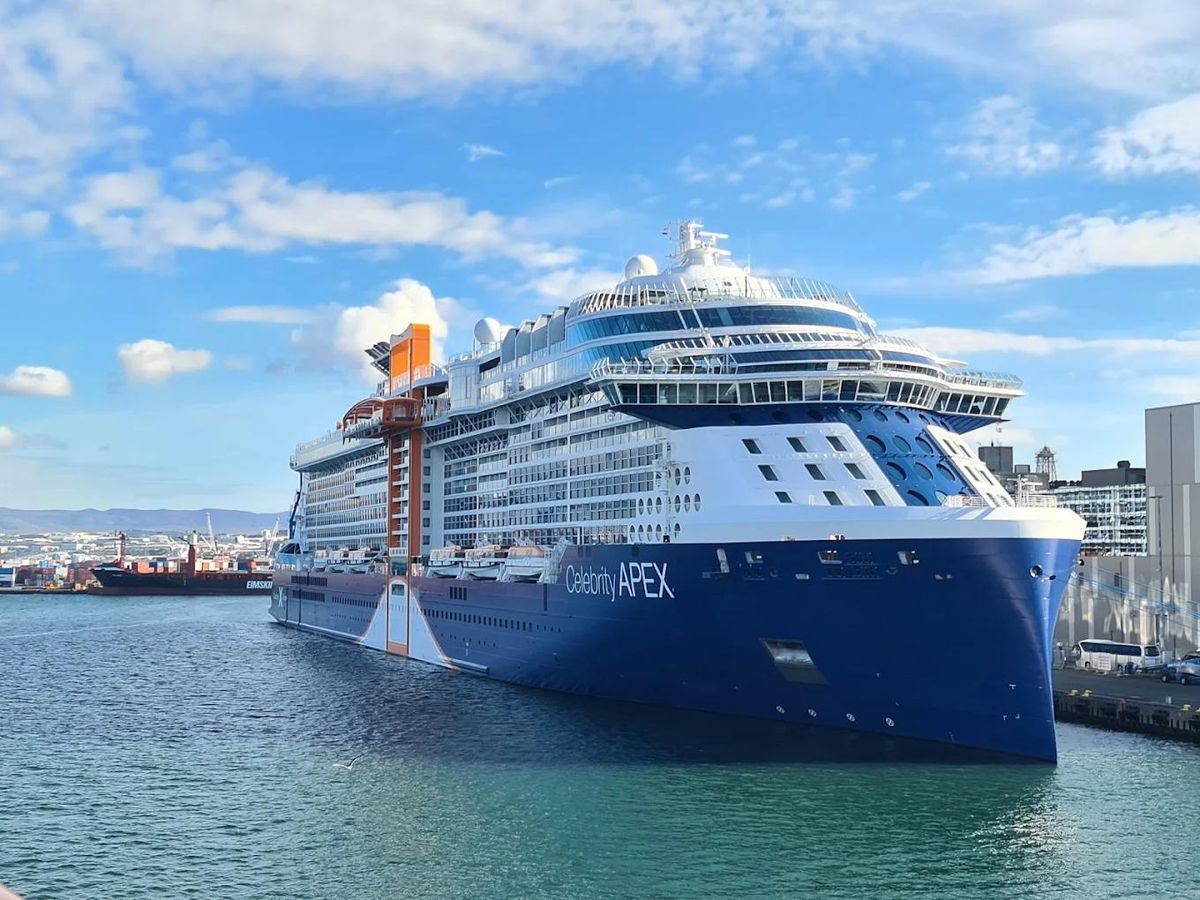
Smaller vessels berth in the old harbour, closer to town, which changes your transfer times.
Booking With Confidence
Six checks that take five minutes and remove the worry entirely.
Choose an operator that works with cruise passengers specifically rather than one that sells the same tour to hotel guests.
Confirm the guarantee in writing, with your ship name and date in the email.
Check the vehicle size. A sixteen-seat minibus loads and unloads in three minutes, while a fifty-seat coach takes fifteen at every stop, and that adds up across a day.
Book directly rather than through a marketplace, so the person answering the phone is the person driving the schedule.
Read up on the errors other passengers make first. Our list of the most common cruise excursion booking mistakes covers the ones that cost people their afternoon.
Give yourself a margin on top of theirs. Being back at the pier an hour early with a coffee is a good outcome.
Take a photograph of your ship's all-aboard time and show it to your guide at pickup. Everyone then has the same number.
Book a Day Built Around Your Sailing
Our Golden Circle from port excursion collects at Skógarfoss, covers Þingvellir, Geysir, and Gullfoss, and is planned backwards from your specific all-aboard time rather than from a fixed daily schedule. If the timings are tight, we will tell you before you book instead of after. Send us your vessel and call date, and we will confirm what fits.
Compare Golden Circle Tours
Check each selected product for its current operator, guide, itinerary, meeting point, and terms.
View Our Tours

