
Three layers and waterproof boots. A thermal or wool base, a fleece or light down mid-layer, and a genuinely waterproof and windproof shell over the top, with boots that have grip and keep water out.
That combination works in July and in January. What changes across the season is how thick the mid-layer is, not the system.
The mistake people make is dressing for the temperature. A July port day at 16°C sounds mild and feels nothing like it once you are standing in spray at Gullfoss with wind coming across the canyon.
The Numbers Behind the Advice
Iceland's summer is cooler than most visitors expect, and the wind is the part nobody plans for.
At Hjarðarland, the nearest long-running station to the Golden Circle, the Icelandic Met Office's monthly climate data averaged across 1991 to 2020 gives July an average daily high of 16.5°C and a low of 7.8°C, with a mean wind of 3.4 metres per second.
September drops to a high of 11.6°C and a low of 4.5°C, with 147 mm of precipitation, the wettest month on the route.
Those are inland figures. Coastal ports like Ísafjörður and Djúpivogur run windier, and the viewpoints at Gullfoss and Geysir are more exposed than any of them.
Add spray and a moving coach door, and the felt temperature on a July excursion regularly sits under 10°C.
The Three-Layer System
Each layer has one job, and skipping any of them undermines the others.
Base layer
Merino wool or a synthetic thermal, top and bottom. It sits against your skin and moves sweat away from it.
Skip cotton entirely. A cotton t-shirt absorbs the sweat you generate walking up from Almannagjá and then chills you for the rest of the day.
In July a lightweight base is enough. From September, go midweight.
Mid-layer
A fleece or a light down jacket. This is the layer doing the insulating, and it is the one you take off in the coach and put back on at each stop.
A full-zip fleece beats a pullover because you will be adjusting it six or seven times in a day.
Outer shell
Waterproof and windproof, with taped seams and a hood that stays up in wind. This is the single most important item and the one most often under-specified.
A rain jacket that handles a British drizzle will not handle horizontal rain at a viewpoint. Look for a proper hardshell rather than a showerproof coat.
Waterproof trousers are worth the space. They live in your daypack, take 30 seconds to pull on, and turn a miserable stop into a fine one.
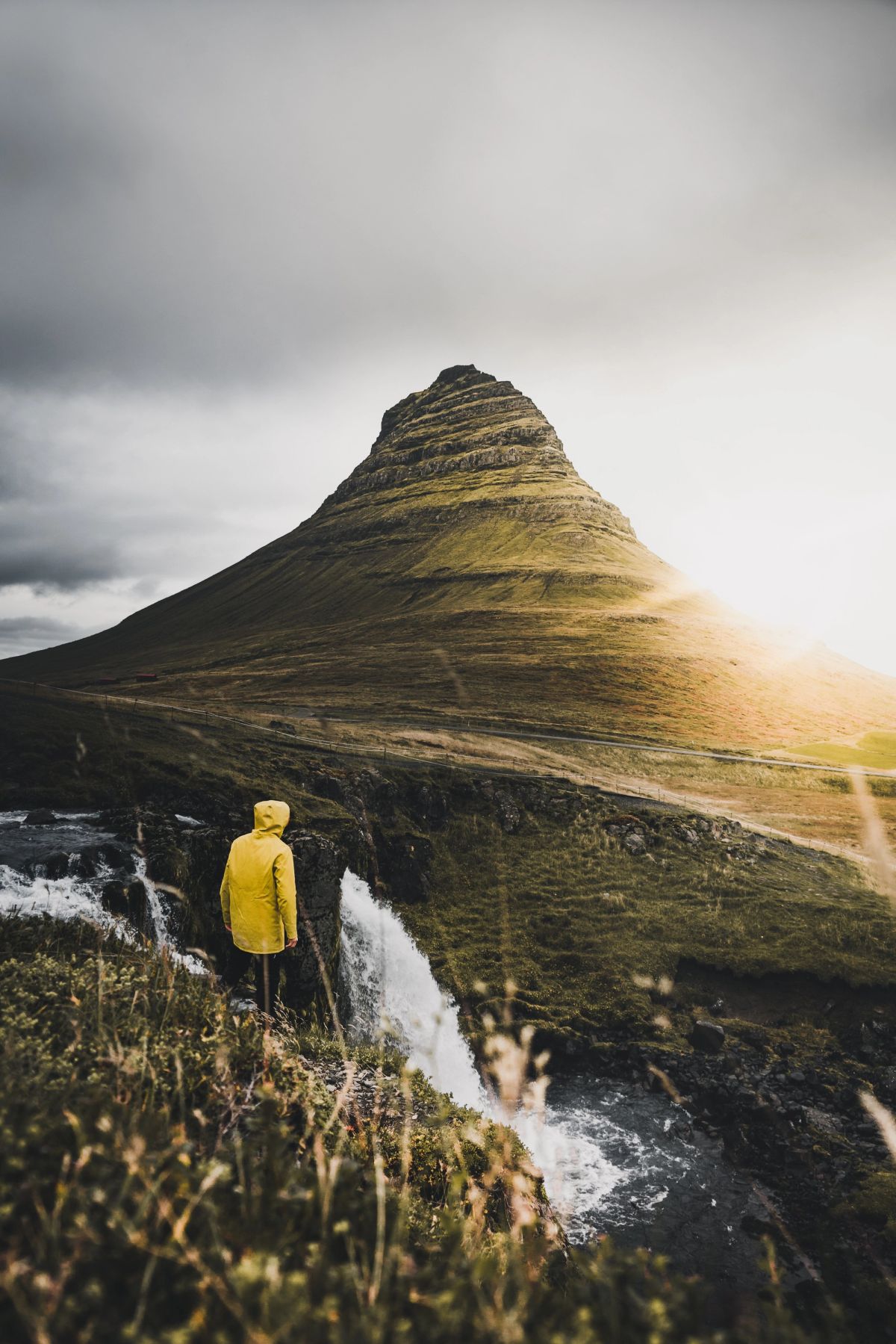
A proper hardshell with a hood that stays up is the difference between enjoying a stop and enduring it.
Footwear
The most common regret on an Icelandic port day is the shoes.
Waterproof walking shoes or light hiking boots with a deep tread. The paths at Gullfoss are permanently wet with spray, and the ground at Geysir is gravel and boardwalk.
Ankle support helps on the uneven sections at Þingvellir, though it is not essential if you stay on the surfaced paths.
Avoid smooth-soled trainers, canvas shoes and anything open. Wet basalt is slippery, and there is a lot of it.
Break new boots in before you sail. A blister on day two of a seven-day cruise affects every remaining port.
Bring thick wool socks and a spare pair. Wet feet are the single fastest route to a bad day.
Accessories That Earn Their Place
Four items, and each solves a specific Icelandic problem.
A warm hat, because the wind is constant and most heat loss on an exposed viewpoint is from your head.
Gloves you can operate a phone in, since you will be photographing constantly and taking gloves off in the wind gets old fast.
A buff or neck gaiter, which does more for comfort per gram than anything else in the bag.
Sunglasses. Icelandic light is low-angle for most of the day, and glare off wet roads and snow is severe.
Add a small daypack you can carry, since coaches are sometimes locked at stops, and you will want water, snacks and the waterproof trousers with you.
Swimwear
Pack it whatever your itinerary says.
Every geothermal pool, lagoon and spa requires it, and buying a swimsuit at the Blue Lagoon shop is an expensive way to solve a packing failure.
Also pack a quick-dry towel if your excursion does not include one, though most lagoons provide towels with admission.
Note the shower rule: Icelandic pools require a full shower without a swimsuit before entering, and attendants do check. It is standard here rather than a suggestion.
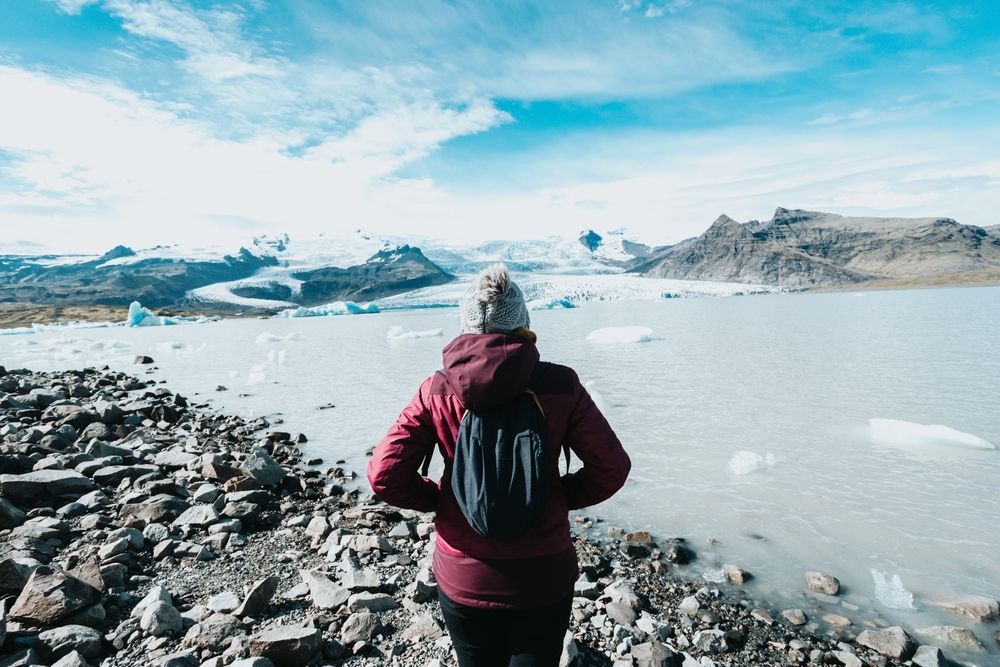
A windproof outer layer matters more than a thick one, at every stop and in every month.
What Changes by Month
The system holds, and the weights shift.
May and June: lightweight base, fleece mid-layer, shell. Highs of 10.9°C and 14.7°C, so a light down jacket is useful in the evenings.
July and August: lightest setup of the year. You may carry the fleece rather than wear it, and the shell stays on because of wind.
September: a midweight base, a warmer mid-layer, and waterproof trousers become genuinely useful with 147 mm of rain in the month.
Winter sailings: full thermal base, down mid-layer, hardshell, insulated boots, ice cleats and everything above. At the Golden Circle's nearest station, January's average daily low is 4.3°C below zero, with mean wind above 5 metres per second.
What to Leave Behind
Four things that take up space and do nothing.
An umbrella. Icelandic wind destroys them within a day, and the rain comes sideways anyway.
Heavy cotton hoodies and jeans. Both soak up water, both stay wet, and jeans in particular are miserable once damp.
Formal footwear for shore days. Nothing on an Icelandic excursion asks for smart shoes.
A single enormous coat instead of layers. It is either too warm on the coach or not enough at the viewpoint, and it cannot adapt.
Site by Site
Different stops make different demands, and knowing them helps you pack the daypack.
Þingvellir National Park involves the most walking, on paved paths and boardwalks with a 40-metre descent through the gorge. Comfortable footwear matters most here.
The valley also funnels wind along its length, so a stop that felt manageable in the car park can be considerably colder once you are inside Almannagjá.
The Geysir geothermal area is short walking on gravel and boardwalk, and the wind decides whether the Strokkur spray reaches you. Stand upwind.
Gullfoss is the wettest stop in every month, and the spray reaches the upper platform on any breezy day.
The Environment Agency of Iceland records average flow at 109 cubic metres per second, rising to 130 in summer, and that volume is what puts water in the air.
Kerið is a short rim walk on loose gravel, which is the one place where grip on the soles genuinely matters.
Lagoons need swimwear, a hairband if you have long hair, and a willingness to leave silver jewellery in a locker, since geothermal water tarnishes it.
A Packing List for One Port Day
What to have on you when you walk off the ship.
- Thermal base layer, top and bottom
- Fleece or light down mid-layer
- Waterproof and windproof shell jacket
- Waterproof trousers in the daypack
- Waterproof boots with grip, plus wool socks
- Hat, gloves and a buff
- Swimwear and a hairband if a lagoon is on the itinerary
- Small daypack, water, a card rather than cash
- Sunglasses and a lens cloth if you are photographing
- Phone power bank, since cold drains batteries fast
That fits in a light daypack and covers everything an Icelandic port day can throw at you.
Buying Kit in Iceland
If you arrive underprepared, you can fix it, and it costs.
Reykjavík has good outdoor shops in the centre selling Icelandic wool and technical gear, and prices reflect the fact that you have no alternative.
Ice cleats that slip over shoes cost around 3,000 ISK and are the best small purchase for a winter or shoulder-season call. Check SafeTravel for conditions before a winter port day, since ice on the paths rather than cold is what shortens most stops.
A traditional lopapeysa wool jumper is warm, genuinely useful as a mid-layer and the one souvenir that earns its place in the suitcase.
Dress for the Stop, Not the Forecast
The forecast tells you the temperature, and the viewpoints tell you the truth, which is why the layering system beats any single garment on an Icelandic port day. Our Golden Circle from the port excursion gives you 45 minutes at each site with a warm coach between them, so you can adjust as the day changes. Bring the shell and the boots, and the rest of the day looks after itself.
Compare Golden Circle Tours
Check each selected product for its current operator, guide, itinerary, meeting point, and terms.
View Our Tours

