
Between 10pm and 1am, with roughly 11pm the single most likely hour. That window brackets magnetic midnight in Iceland, which is when the auroral oval sits furthest south over the country and substorm activity peaks.
The aurora can appear at any dark hour, and plenty of displays start at 9pm or fire up at 2am. What the 10pm to 1am window gives you is the best odds per hour spent standing outside.
Darkness is the hard limit either side of it. Nothing is visible before full darkness, which arrives around 9pm in September and 6pm in December.
Why 11pm Rather Than Midnight
Magnetic midnight is the moment your location sits directly opposite the sun with respect to Earth's magnetic field, rather than its geographic axis. It is not the same as clock midnight.
Iceland's magnetic midnight falls close to 11pm local time, and there are two reasons. The magnetic pole sits well away from the geographic pole, which shifts the timing for every longitude differently. Iceland also runs on GMT all year despite sitting between 13 and 24 degrees west, so the clock is roughly an hour and a half ahead of true solar time.
The practical result is that the sky here peaks earlier by the clock than visitors expect from Norwegian or Canadian advice.
That is convenient. It means the best hour falls inside a normal evening rather than at 2am, which is why Icelandic aurora tours can return by midnight and still have shown you the good part.
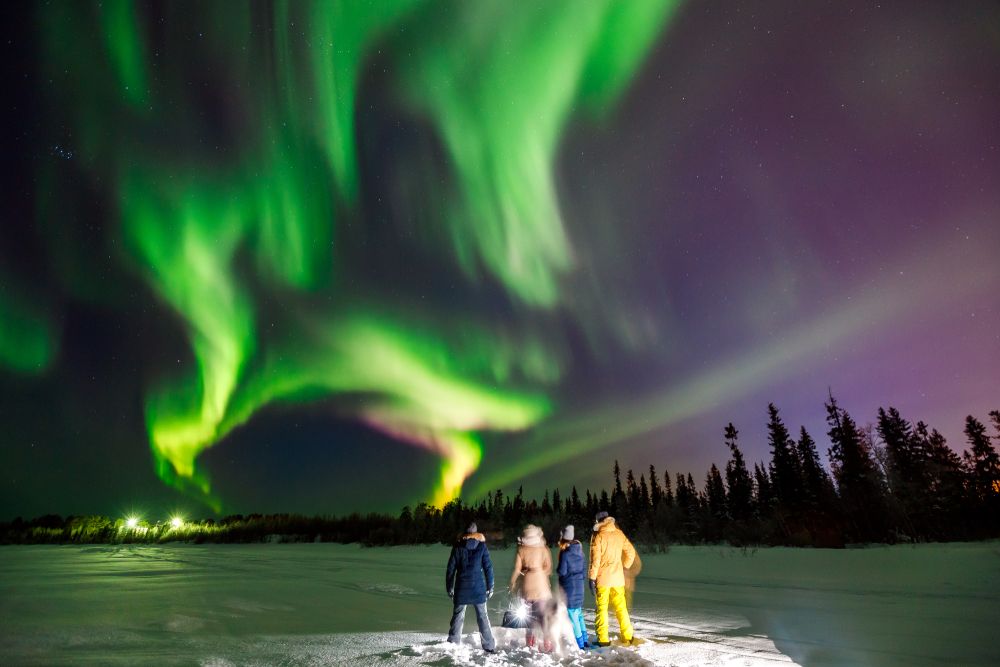
When Full Darkness Starts, by Month
This is the number that decides when to leave your accommodation, and it changes fast through the season.
- Late August: darkness from about 10:30pm, and only briefly
- September: from around 9pm, giving 6 to 9 usable hours
- October: from around 8pm, 10 to 13 hours
- November: from around 6:30pm, 13 to 15 hours
- December and January: from around 6pm, 15 hours
- February: from around 7pm, 11 to 13 hours
- March: from around 8:30pm, 7 to 11 hours
- Early April: from around 10pm, 5 to 7 hours
The Icelandic Met Office aurora forecast publishes the exact sunset, darkness, moonrise and moonset times for Reykjavík alongside its activity number, so you can check the night you are actually going out rather than working from a table.
In December, that early darkness means you can be watching by 6:30pm and home by 10. In September the same effort means starting at 9pm and staying past midnight.
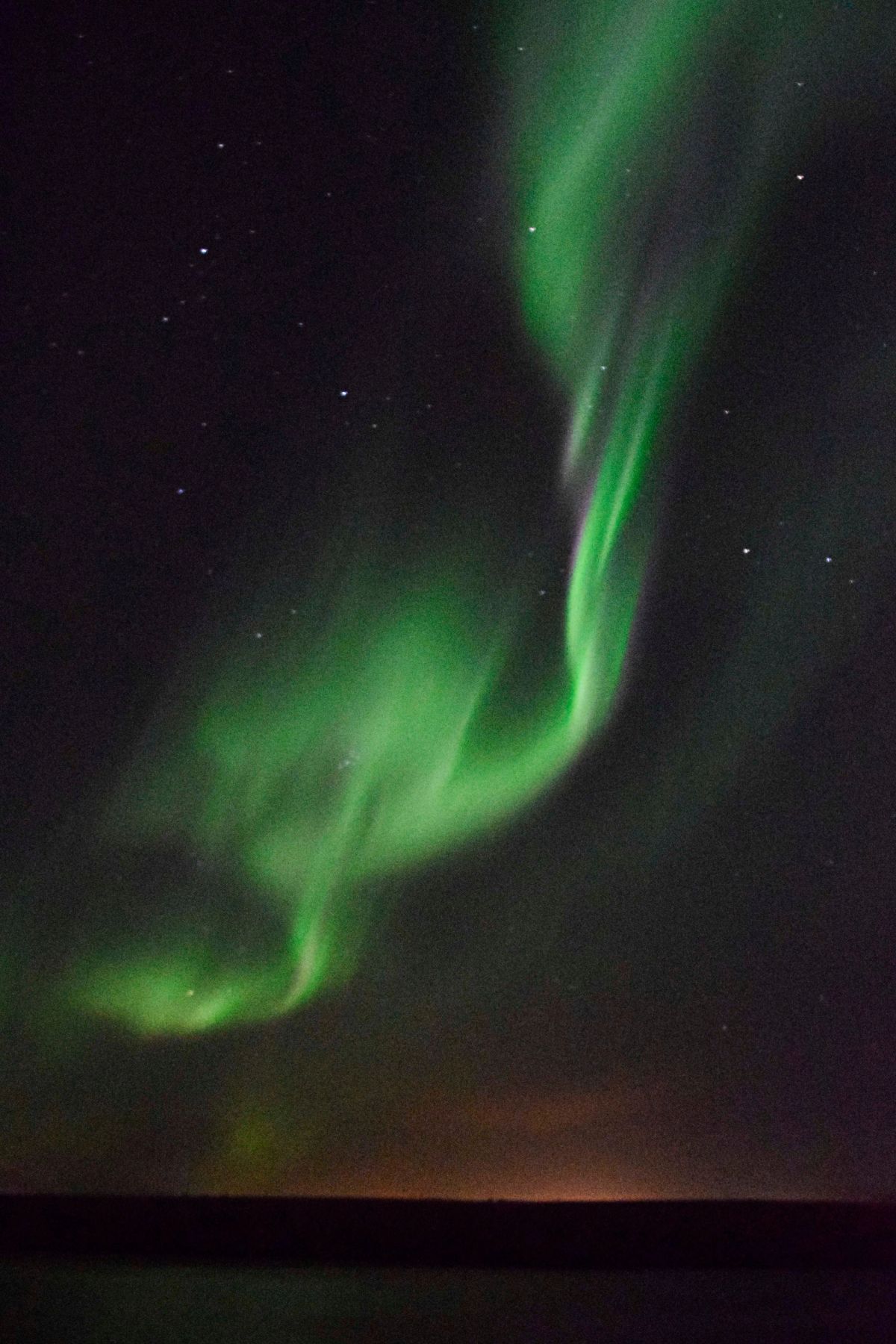
Displays often begin as a low arc soon after full darkness, then build towards the late-evening peak.
What Happens Hour by Hour
Aurora nights follow a loose pattern, and knowing it stops you from misreading the sky.
Right after darkness, you often get a faint arc sitting low across the north. It looks like a thin cloud and it is the display waiting rather than the display failing.
Through the next hour or two the arc brightens and may break into rays. This first substorm is real and often modest.
Around 10pm to midnight the strongest activity usually arrives, with bands moving overhead, brighter colour and, on the best nights, a corona directly above you.
After 1am the sky generally settles. Activity can continue and it declines on most nights, which is why the small hours are a poor use of your endurance unless the forecast number is high.
Can You See Them Early in the Evening?
Yes, and December and January are when it happens most.
With darkness arriving at 6pm, an active night can produce a full display by 7pm. That is a genuinely comfortable time to be outside, and it is one of the underrated advantages of a midwinter trip.
The catch is that an early display is often followed by a better one later. If you see something at 7pm, that is a reason to stay out rather than to go home satisfied.
In September and March, when darkness comes at 9pm or 8:30pm, an early sighting is much less likely simply because there is no dark sky to see it in.
Substorms themselves do not care about the clock. NOAA's aurora pages describe them as releases of stored magnetic energy, and one can fire at 7pm as easily as at midnight. What changes through the evening is how likely they are.
Why Tours Leave When They Do
Most Icelandic aurora tours depart between 8pm and 9:30pm, and the timing is deliberate.
The departure allows for pickup, an hour of driving to reach dark sky, and arrival in position before the peak window opens. A tour that left at 10pm would spend the best hour on the road.
Return times of midnight to 1am are set to cover the same peak. A shorter trip that returns at 11pm is scheduled to miss half of it.
Seasonal shifts matter too. Winter departures start earlier because darkness does, and September departures start later for the same reason.
If you are booking, check the departure time against the darkness time for your date. A 9:30pm departure in December wastes three hours of dark sky.
Planning Your Own Night
Self-driving lets you match the clock precisely, which is the main advantage over a fixed departure.
Aim to be parked and out of the car 30 minutes before full darkness. That gives your eyes time to adapt, which takes about 20 minutes and makes a real difference to what you can see.
Pick somewhere you can sit and wait. Þingvellir National Park is 45 minutes from Reykjavík with car parks that stay open around the clock, and the payment machines work at any hour.
Plan to stay until at least 1am on your first attempt. You can shorten later nights once you know how the sky is behaving.
Bring what lets you last: a hot drink, something to sit on, a red-light torch and warm layers built for standing still.
The cold decides more evenings than the sky does. At the Golden Circle's nearest station, Met Office climate data puts January's average daily low at 4.3°C below zero with mean wind above 5 metres per second, and three hours motionless in that is a serious undertaking without the right kit.
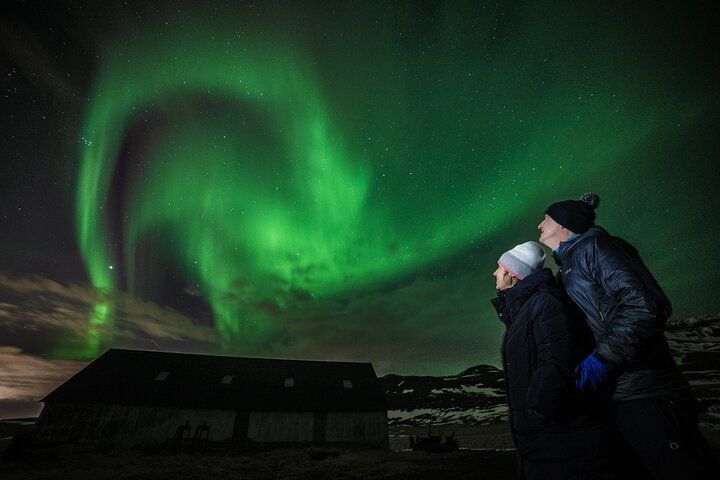
Somewhere to shelter matters as much as the spot itself, since most of the night is waiting rather than watching.
Does the Time Change With Solar Activity?
The peak window holds, and a strong night widens it.
On a quiet night, activity may only cross the visible threshold during the 10pm to 1am peak, so the window is the whole show.
On an active night the display can be visible from full darkness until dawn, with the same peak still being the best of it. NOAA's storm scale records only around 100 severe G4 storms per 11-year solar cycle, so all-night displays are the exception rather than the plan.
Iceland's position under the auroral oval means it does not need a storm. The peak window applies on ordinary nights as much as on remarkable ones.
What About the Hours Before Sunset and After Sunrise?
Nothing to see, and it is worth being clear about why.
Aurora is emitting continuously when the sun is active. The limitation is contrast: a lit sky drowns it out completely, the same way stars vanish during the day.
Civil twilight is not dark enough. In late August and April, when Iceland has long twilight, the sky can look dark to you and still be too bright for a faint band.
This is also why the season ends. Between mid-May and early August there is no astronomical darkness at all, and no time of night works.
Common Timing Mistakes
Five errors that cost people the display.
Going out at 8pm in September and giving up at 10. Darkness only started at 9, so you watched for one hour of a three-hour window.
Booking a tour that returns at 11pm. It saves an hour of sleep and skips the peak.
Leaving during the quiet stretch around 11. That gap between substorms is the most predictable feature of an aurora night.
Checking a phone every few minutes. Each look at a bright screen costs you most of your dark adaptation, and rebuilding it takes 20 minutes.
Treating a strong forecast as a reason to arrive late. High activity means more bursts across the night rather than a guaranteed one at midnight.
Combining an Aurora Night With a Day Tour
The timings work well together, which is worth knowing if your trip is short.
A daytime Golden Circle loop finishes around 5pm or 6pm, which leaves time to eat before darkness in most months. Our Golden Circle Classic Tour runs 9 hours and returns in time for an evening hunt.
In December the two overlap awkwardly, since darkness arrives at 6pm while you are still on the road. A combined departure that stays out after dark solves that.
If you are staying on the loop rather than in Reykjavík, the timing gets easier still. Step outside after dinner at Laugarvatn and you are already under dark sky with no drive at either end.
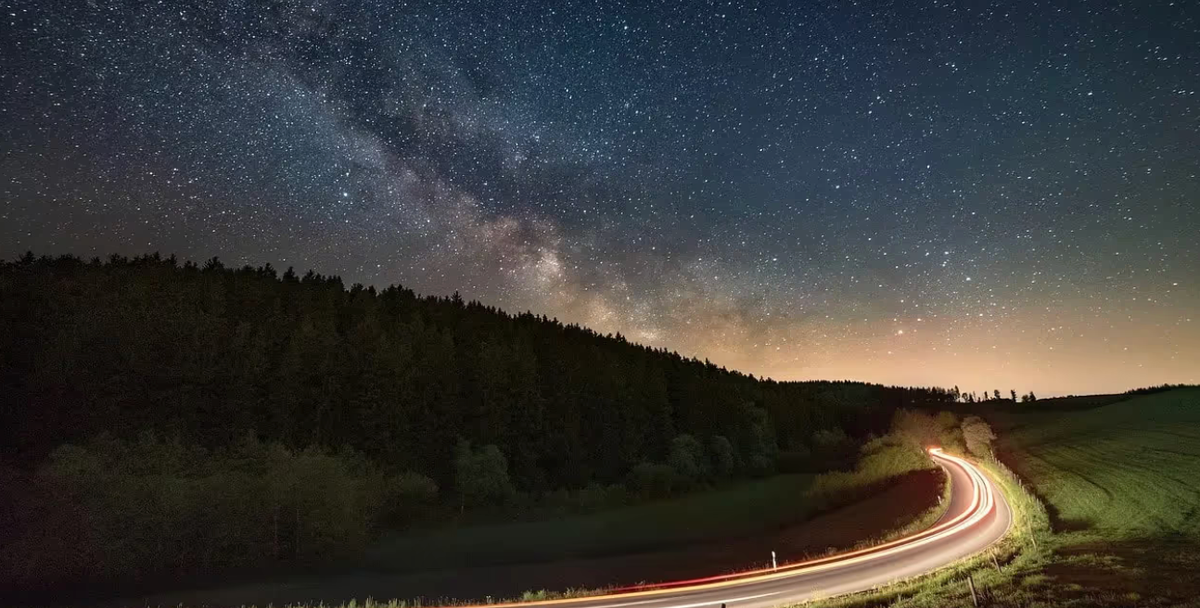
Roads on the Golden Circle are unlit, so plan the drive to your spot before darkness rather than after.
The Short Version
Be outside from 10pm to 1am if you can only pick three hours. Be outside from full darkness if you can manage more.
Check what time darkness actually starts on your date, since it moves by four hours across the season. Then arrive 30 minutes before that so your eyes are ready.
Stay through the quiet stretches. The gap between substorms is normally 20 to 60 minutes, and the second burst is often the better one.
Book a Night That Covers the Peak
The window that matters is narrow enough that departure times are worth checking before you book anything. Our small-group Northern Lights adventure runs 5 to 7 hours and is timed so the group is in position through the late-evening peak rather than driving during it. Pick an early night in your stay so there is time for a second attempt if the sky is against you.
Compare Golden Circle Tours
Check each selected product for its current operator, guide, itinerary, meeting point, and terms.
View Our Tours

